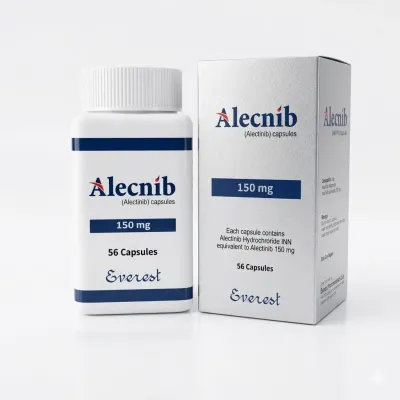
Alectinib – Highly Selective ALK Tyrosine Kinase Inhibitor
Known as original brand(s)
Alecensa
Alectinib is a highly selective and potent oral inhibitor of the anaplastic lymphoma kinase (ALK) tyrosine kinase. The drug is specifically designed for targeted therapy of non-small cell lung cancer (NSCLC) driven by genetic rearrangement (fusion protein) of the ALK gene. Alectinib effectively blocks the phosphorylation of the ALK protein, which halts growth signaling within the cancer cell, leading to the cessation of cell division and triggering the processes of natural tumor death.
The mechanism of action of alectinib is distinguished by its ability to overcome the resistance that often arises with first-generation ALK inhibitors. One of the most important pharmacological features of the drug is its ability to penetrate the blood-brain barrier and remain in the central nervous system (CNS) without being actively expelled by P-glycoprotein. This makes alectinib the "gold standard" in treating patients with brain metastases, providing a high intracranial response rate and preventing the development of new CNS lesions. Compared to chemotherapy and earlier targeted drugs, alectinib demonstrates significantly higher progression-free survival and possesses a favorable safety profile, allowing patients to maintain a high quality of life during long-term treatment.
The drug is taken orally twice daily with food. Therapy requires mandatory laboratory confirmation of the tumor's ALK-positive status.

Indications
Alectinib is indicated as monotherapy for adult patients with the following confirmed diagnosis:
- ALK-positive NSCLC: first-line therapy for advanced or metastatic non-small cell lung cancer.
- Progression on Crizotinib: treatment of patients with ALK-positive NSCLC who have experienced disease progression on or intolerance to crizotinib therapy.
- CNS Metastases: therapy for patients with existing or a high risk of developing secondary lesions in the brain during ALK-positive cancer.
Dosage and administration
The alectinib dosing regimen requires strict adherence to meal times to ensure optimal absorption of the drug.
- Standard Dose: 600 mg (four 150 mg capsules) twice daily. The total daily dose is 1200 mg.
- Administration Method: capsules should be taken with food, swallowed whole. It is highly recommended not to open or chew the capsules.
- Missed Dose: if a dose is missed and there are less than 6 hours until the next dose, the missed dose should be skipped. If vomiting occurs after taking a dose, do not take an additional capsule.
- Dose Adjustment: if toxicity develops, the dose is sequentially reduced to 450 mg or 300 mg twice daily.
- Monitoring: regular monitoring of liver function (ALT, AST, bilirubin) every two weeks is necessary during the first months of treatment.