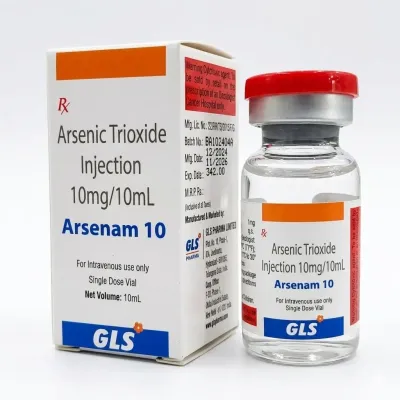
Arsenic Trioxide – Targeted Acute Promyelocytic Leukemia Therapy
Known as original brand(s)
Trisenox
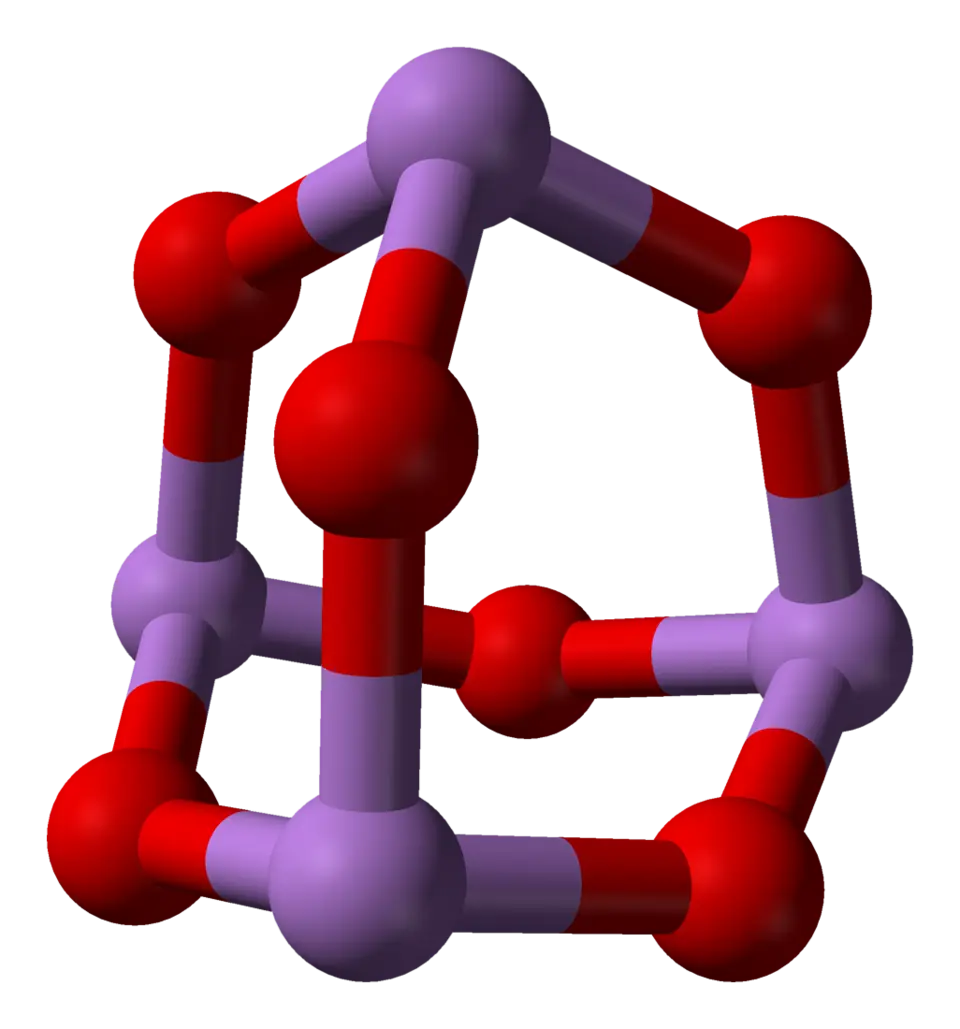
Arsenic Trioxide is a highly effective antineoplastic medication that has revolutionized the treatment of specific forms of leukemia. Despite the historical reputation of arsenic as a potent toxin, in strict therapeutic doses, it acts as a powerful cytotoxic agent capable of inducing cancer cell death while sparing healthy tissues when administered correctly.
The mechanism of action of arsenic trioxide is unique and multifaceted. The primary target of the drug is the specific fusion protein PML-RARα, which is formed as a result of a genetic translocation in patients with acute promyelocytic leukemia (APL). Arsenic trioxide binds to this protein, triggering its degradation, which releases the block on blood cell differentiation. As a result, immature leukemic cells (promyelocytes) are allowed to mature into normal, functioning granulocytes. Additionally, the drug activates the caspase cascade, inducing programmed cell death (apoptosis), and inhibits angiogenesis, depriving the tumor of its nutrient support. Due to these mechanisms, the drug achieves long-term molecular remission even in patients with relapsed disease.
The drug is administered exclusively via intravenous infusion under the strict supervision of qualified medical personnel in a hospital setting.
Indications
Arsenic Trioxide is indicated for the treatment of adults and children with the following hematological conditions:
- Acute Promyelocytic Leukemia (APL): induction of remission and consolidation in patients with newly diagnosed low-to-intermediate risk APL (in combination with all-trans retinoic acid, ATRA).
- Relapsed APL: therapy for patients who have experienced a relapse or lack of response to prior retinoid and anthracycline therapy.
- Genetic Confirmation: use of the drug requires mandatory confirmation of the t(15;17) translocation or the expression of the PML/RAR-alpha gene.
Dosage and administration
The dosage of the drug is calculated individually and depends on the treatment phase and the patient's overall health status.
- Induction Schedule: the drug is administered daily at a dose of 0.15 mg/kg of body weight until complete bone marrow remission is achieved (not exceeding 50–60 doses).
- Consolidation Schedule: several weeks after induction, the consolidation cycle begins (usually 0.15 mg/kg daily in short courses of 5 days per week for 5 weeks).
- Administration Method: intravenous infusion lasting from 1 to 2 hours. If acute reactions occur, the infusion time may be extended to 4 hours.
- Monitoring: during treatment, daily ECG monitoring of the QT interval and regular analysis of blood electrolytes are essential.
- Special Considerations: the dose does not require adjustment based on age but requires extreme caution in patients with renal impairment.