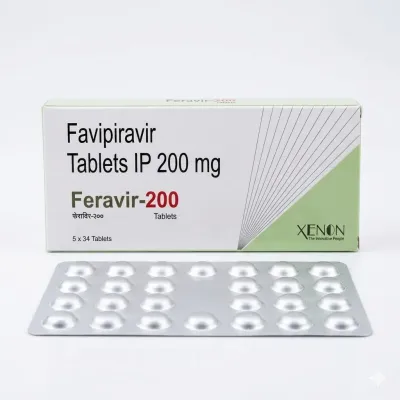
Favipiravir – RNA Polymerase Inhibitor Antiviral Therapy
Known as original brand(s)
Avigan
Favipiravir is a synthetic antiviral medication that acts as a selective inhibitor of RNA-dependent RNA polymerase (RdRp). Initially developed to combat novel influenza strains, the drug has gained widespread recognition for its ability to suppress the replication of various RNA-containing viruses. Favipiravir is a nucleoside analogue that serves as a "decoy target" for viral enzymes, preventing viral multiplication within human cells.
The mechanism of action of favipiravir is unique and requires intracellular activation. Once in the body, the drug is metabolized into its active form—favipiravir-ribosyltriphosphate. This form selectively incorporates into the viral RNA or binds to the viral RNA polymerase, leading to the termination of viral strand synthesis or causing lethal mutations in the viral genome. A key feature is that the active metabolite virtually does not inhibit human DNA or RNA polymerases, ensuring therapeutic selectivity. Due to this mechanism, the drug is effective against a broad spectrum of RNA viruses, including influenza A and B, as well as coronaviruses (SARS-CoV-2).
The drug is available in oral tablet form, which allows for therapy during the early stages of infection to prevent the development of severe complications.

Indications
Favipiravir is indicated for the treatment of adult patients with the following viral infections:
- Novel or Re-emerging Influenza: treatment of infections caused by influenza strains that are resistant to other antiviral agents.
- Coronavirus Disease (COVID-19): therapy for mild to moderate novel coronavirus infection to accelerate viral clearance.
- Epidemiological Control: use of the drug is often restricted to periods of pandemics or outbreaks as determined by national health authorities.
- Early Therapy: the highest efficacy is achieved when treatment begins within the first 48–72 hours after the onset of symptoms.
Dosage and administration
The dosing regimen for favipiravir involves a high loading dose on the first day of treatment to rapidly achieve therapeutic concentration.
- First Day: the standard dosage is 1600 mg or 1800 mg twice daily (depending on the indication and body weight).
- Subsequent Days (Days 2–10): the dose is reduced to 600 mg or 800 mg twice daily.
- Administration: tablets are taken orally, 30 minutes before meals, with a sufficient amount of water.
- Course Duration: typically lasts from 5 to 10 days; the decision to continue therapy is made by a physician based on the clinical presentation.
- Monitoring: regular monitoring of blood uric acid levels and liver function tests is necessary during treatment.