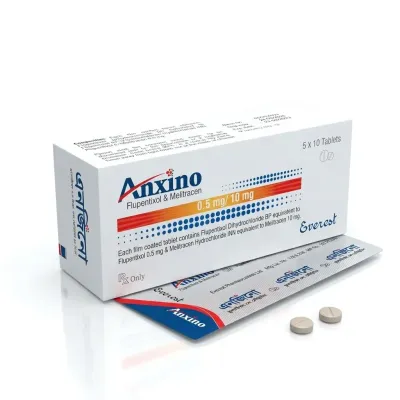
Flupentixol – Antipsychotic and Antidepressant Therapy
Known as original brand(s)
Fluanxol
Flupentixol is an antipsychotic medication (neuroleptic) belonging to the thioxanthene derivative group. The drug possesses a unique spectrum of pharmacological activity, combining potent antipsychotic, specific antidepressant, and activating (disinhibiting) effects. Its mechanism of action is due to the selective blockade of dopamine receptors (predominantly D1 and D2), as well as serotonin 5-HT2 receptors in the brain, allowing it to effectively target a wide range of psychopathological symptoms.
A notable feature of flupentixol is its dose-dependent effect. At low doses, it acts as a potent antidepressant and anxiolytic, promoting improved mood and sociability, while higher doses exhibit classic antipsychotic action aimed at controlling delusions and hallucinations. Due to its stimulating component, the drug is particularly effective in treating patients with apathy, reduced initiative, and depressive-anxious states. Flupentixol is available in both tablet form for daily use and as an oil-based solution (depot) for long-term release, ensuring stable symptom control over several weeks and improving treatment adherence in patients with chronic psychosis.
The drug is taken orally or administered intramuscularly. Treatment requires careful dose selection to minimize the risk of developing extrapyramidal disorders.

Indications
Flupentixol is indicated for the treatment of a wide range of mental disorders in adults:
- Schizophrenia and Psychoses: treatment of hallucinatory, delusional states and thought disorders, especially in the presence of apathy and withdrawal.
- Depressive States: mild to moderate depression accompanied by anxiety, asthenia, and lack of initiative.
- Psychosomatic Disorders: asthenic conditions and neurotic disorders related to stress.
- Maintenance Therapy: prevention of relapse in chronic psychotic illnesses (in depot form).
Dosage and administration
The flupentixol dosing regimen is strictly individualized and depends on the clinical presentation of the illness.
- For Depression and Anxiety: the starting dose is usually 1 mg once daily in the morning. If necessary, the dose is increased to 2-3 mg.
- Antipsychotic Therapy: dosage can range from 3 mg to 15 mg or more per day, divided into several doses.
- Depot Forms: injections are usually administered once every 2–4 weeks at a dose of 20–40 mg.
- Administration Method: tablets are taken orally with water. Evening intake is not recommended for doses below 3 mg due to the possible stimulating effect.
- Missed Dose: the missed dose should be taken as soon as possible unless it is time for the next one. Do not double the dosage.