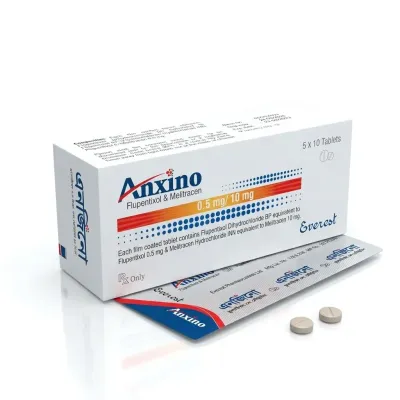
Melitracen – Tricyclic Antidepressant for Anxiety and Depression
Known as original brand(s)
Deanxit
Melitracen is an antidepressant from the tricyclic compound group (TCA), characterized by a bipolar pharmacological profile. The drug combines a moderate thymoanaleptic (mood-enhancing) action with a pronounced activating and energizing effect. Its mechanism of action is based on the non-selective inhibition of monoamine reuptake, primarily norepinephrine and serotonin, in the synaptic cleft of central nervous system neurons. This leads to enhanced neurotransmission and correction of the biochemical imbalance typical of depressive states.
The uniqueness of melitracen lies in its ability to rapidly eliminate retardation, apathy, and lack of initiative, which distinguishes it from many sedative antidepressants of the same group. In clinical practice, it is rarely used as monotherapy. Most often, melitracen is used in a fixed-dose combination with the neuroleptic flupentixol. This combination achieves a synergistic effect: melitracen provides a boost in mood and vitality, while low doses of the neuroleptic counteract potential anxiety and psychomotor agitation that may arise from activation. The drug is well absorbed orally and has a long half-life, ensuring a stable therapeutic effect throughout the day.
The drug is taken orally. Treatment requires caution in patients with cardiovascular diseases due to the risk of affecting myocardial conduction.

Indications
Melitracen is indicated for the treatment of various affective disorders in adults:
- Depressive States: mild to moderate depression accompanied by apathy, lethargy, and loss of interest in life.
- Asthenic Depression: conditions where fatigue and lack of energy are the primary features.
- Masked Depression: somatic complaints without an organic cause occurring against a backdrop of low mood.
- Psychosomatics: as part of combination therapy for the treatment of neurotic disorders related to chronic stress.
Dosage and administration
The dosing regimen for melitracen is determined by a physician, often based on the use of combined dosage forms.
- Standard Dose: in monotherapy, it is usually 25–50 mg two or three times daily.
- Combination Therapy: when combined with flupentixol, it is usually taken as 1 tablet (containing 10 mg of melitracen) in the morning and at noon.
- Administration Method: tablets are taken orally with water, regardless of food intake.
- Time Restrictions: due to its activating effect, the drug is not recommended for evening use (after 4:00 PM–5:00 PM) to avoid sleep disturbances.
- Duration: the therapeutic effect usually appears within 7–10 days; however, a full course of therapy may last several months.