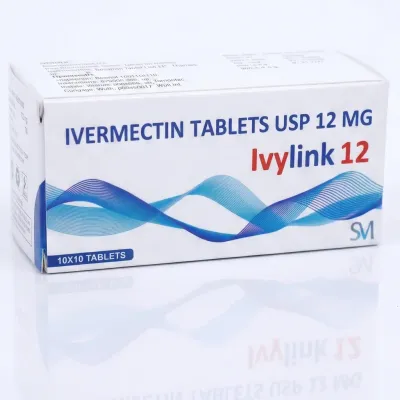
Ivermectin – Antiparasitic Therapy

Ivermectin is a semi-synthetic antiparasitic agent derived from avermectins, produced by the soil bacterium Streptomyces avermitilis. It is a broad-spectrum drug highly effective against various endo- and ectoparasites.

The mechanism of action involves selective binding to glutamate-gated chloride channels found in the nerve and muscle cells of invertebrates. This increases the permeability of the cell membrane to chloride ions, causing cell hyperpolarization, paralysis, and the eventual death of the parasite. In mammals, ivermectin has a very low affinity for similar channels and does not cross the blood-brain barrier at therapeutic doses, ensuring high safety for humans.

The medication is administered orally (tablets) or topically (creams and lotions) depending on the nature of the infection.

Wikipedia page
Ivermectin

Indications

Ivermectin is indicated for the treatment of adults and children (weighing more than 15 kg) in the following conditions:

  • Strongyloidiasis: intestinal infection caused by Strongyloides stercoralis.
  • Onchocerciasis: also known as "river blindness," caused by Onchocerca volvulus.
  • Scabies: treatment of resistant or crusted (Norwegian) scabies, often in combination with topical agents.
  • Rosacea: topical treatment of papulopustular lesions in adult patients.
  • Other Helminthiases: may be used for ascariasis, filariasis, and pediculosis (head lice).

Dosage and administration

The dosage of ivermectin is calculated based on the patient's body weight and the specific type of infection.

  • Standard Oral Dose: typically a single dose of 200 mcg per kg of body weight.
  • Scabies Protocol: a single dose of 200 mcg/kg, which may be repeated after 8–15 days if necessary.
  • Administration: tablets should be taken with water on an empty stomach (1 hour before or 2 hours after a meal).
  • Topical Use: cream should be applied once daily in a thin layer to the affected facial areas.
The use of ivermectin is restricted in the following cases:

  • Hypersensitivity: known allergy to ivermectin or any excipients.
  • Body Weight: safety in children weighing less than 15 kg has not been established.
  • Pregnancy: not recommended during the first trimester due to limited clinical data.
  • Lactation: excreted in low concentrations in breast milk; caution is advised.
  • BBB Impairment: conditions where the blood-brain barrier is compromised (e.g., African trypanosomiasis).

Side effects are often related to the immune response to dying parasites (Mazzotti reaction):

  • Systemic Reactions: fever, chills, headache, dizziness, and somnolence.
  • Gastrointestinal: nausea, vomiting, abdominal pain, and diarrhea.
  • Lymphatic: lymph node enlargement and tenderness (lymphadenitis).
  • Dermatologic: pruritus, rash, edema, and urticaria.
  • Ocular: transient eye discomfort, eyelid edema, and conjunctivitis.

Frequently Asked Questions

Ivermectin is an antiparasitic agent that paralyzes the nervous system and muscles of parasites. It selectively binds to chloride channels in invertebrate cells, leading to an influx of chloride ions and causing persistent paralysis, which results in the death of the parasite. In humans, the substance does not easily cross the blood-brain barrier, making it safe when taken at the recommended dosage.
Ivermectin is used to treat a variety of parasitic infections, including scabies, head lice (pediculosis), strongyloidiasis, and river blindness (onchocerciasis). In cream form, it is also highly effective as a topical treatment for the papulopustular form of rosacea on the face.
Ivermectin tablets should be taken on an empty stomach—at least 1 hour before or 2 hours after a meal—with a full glass of water. This is essential to ensure consistent absorption. While a single dose is often sufficient for full recovery, a healthcare provider may prescribe a second dose 1 to 2 weeks later in certain cases.
The Mazzotti reaction is a specific immune response that can occur during the treatment of onchocerciasis due to the mass death of microfilariae. Symptoms include itching, rash, fever, joint pain, and swollen lymph nodes. This reaction is caused not by the drug’s toxicity but by the body’s response to the debris of dead parasites.
Ivermectin is generally not prescribed for children weighing less than 15 kg, as safety and efficacy have not been established for this group. Its use is also limited during pregnancy and breastfeeding. The decision to proceed with therapy is always made by a physician based on the patient's weight and the severity of the infection.

List of medicines by active substance Ivermectin

-11%
Ivylink 12 12 mg Sai Medilink
View
Sai Medilink
12 mg 100 tablets
3736₴ 4175₴
✅ All products loaded (1)

Contact us

Choose a convenient way to contact

We work daily from 9:00 to 20:00