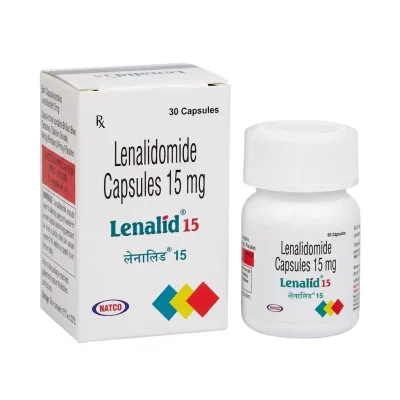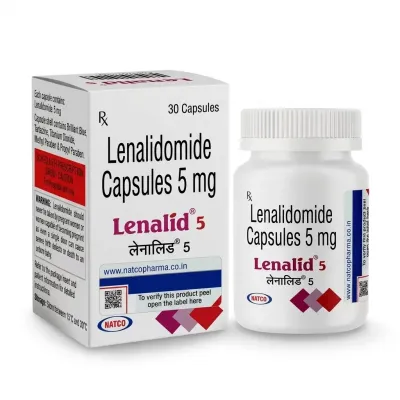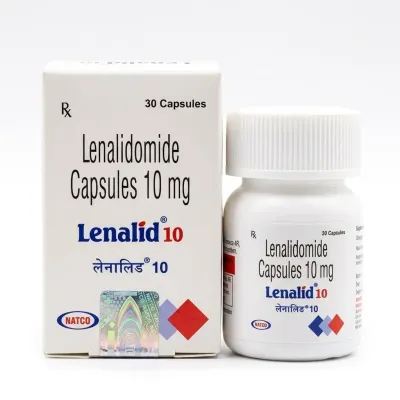
Lenalidomide – Multiple Myeloma & Lymphoma Treatment
Lenalidomide is a potent antineoplastic immunomodulatory agent derived from thalidomide. The drug belongs to the IMiDs (immunomodulatory drugs) group and possesses a multifaceted mechanism of action that combines direct antiproliferative, antiangiogenic, and pronounced immunostimulatory effects on the tumor microenvironment.
The mechanism of action of lenalidomide is based on its binding to cereblon, a protein that is part of the E3 ubiquitin ligase enzymatic complex. This leads to the selective degradation of specific target proteins (transcription factors Ikaros and Aiolos), which suppresses the growth of malignant B-cells and activates T-lymphocytes and natural killer (NK) cells. Additionally, the drug blocks the formation of new vessels in the bone marrow, depriving the tumor of nutritional support, and stimulates the production of anti-inflammatory cytokines.
Lenalidomide is designed for oral intake and possesses high bioavailability. Due to its ability to alter the immune response and directly destroy tumor cells, it has become a gold standard in the treatment of several lymphoproliferative diseases, significantly increasing progression-free survival rates.

Indications
Lenalidomide is used for the therapy of hematologic diseases as monotherapy or in combination regimens:
- Multiple Myeloma: treatment of adult patients as maintenance therapy following stem cell transplantation or in combination with dexamethasone in previously untreated patients.
- Myelodysplastic Syndromes (MDS): therapy for patients with transfusion-dependent anemia due to a specific cytogenetic abnormality (5q deletion).
- Mantle Cell Lymphoma (MCL): treatment of relapsed or refractory forms of the disease following prior therapy.
- Follicular Lymphoma: in combination with rituximab for the treatment of previously treated patients.
- Marginal Zone Lymphoma: comprehensive treatment of specific non-Hodgkin lymphoma variants.
Dosage and administration
The dosage of lenalidomide is strictly individual and depends on the diagnosis, renal function, and therapy tolerance.
- Standard Myeloma Dose: typically 25 mg once daily for 21 days of each 28-day cycle.
- Administration Regimen: capsules are taken orally at approximately the same time each day, with or without food. The capsule must not be broken or chewed.
- Renal Function Monitoring: since the drug is primarily excreted by the kidneys, a significant dose reduction is required in patients with decreased creatinine clearance.
- Risk Management Program: due to its structural similarity to thalidomide, the use of the drug requires strict contraceptive measures and regular pregnancy testing.
- Toxicity Adjustments: if severe neutropenia or thrombocytopenia develops, the drug should be suspended until blood counts recover.