Linagliptin – DPP-4 Inhibitor for Diabetes Management

Linagliptin is a highly effective and selective inhibitor of the enzyme dipeptidyl peptidase-4 (DPP-4), designed for the management of type 2 diabetes mellitus. The drug belongs to the class of incretin mimetics and possesses a unique pharmacokinetic profile that distinguishes it from other members of this group. Linagliptin helps the body naturally regulate blood sugar levels by enhancing the action of its own intestinal hormones.

The mechanism of action of linagliptin is based on slowing the degradation of incretins—glucagon-like peptide-1 (GLP-1) and glucose-dependent insulinotropic polypeptide (GIP). These hormones are secreted in response to food intake and stimulate insulin synthesis by the pancreas while suppressing excessive glucagon production by the liver. By inhibiting the DPP-4 enzyme, linagliptin extends the half-life of these hormones, leading to a physiological reduction in glucose levels both during fasting and after meals. A key advantage of linagliptin is its predominantly non-renal excretion route (via bile and through the intestines), making it the drug of choice for patients with varying degrees of renal impairment, as it requires no dose adjustment based on kidney function.

The drug is administered orally once daily, providing stable glycemic control without significant risk of weight gain or episodes of severe hypoglycemia.

Wikipedia page
Linagliptin

Indications

Linagliptin is indicated for adult patients with type 2 diabetes mellitus to improve glycemic control in the following cases:

  • Monotherapy: for patients with inadequate glucose control through diet and exercise alone, when metformin is inappropriate due to intolerance.
  • Combination Therapy: in combination with metformin, sulfonylureas, thiazolidinediones, or insulin when standard therapy does not provide adequate results.
  • Special Populations: treatment of patients with type 2 diabetes mellitus who have concomitant decline in renal or hepatic function.
  • Cardiovascular Safety: proven safety in patients with a high risk of cardiovascular complications.

Dosage and administration

Linagliptin is characterized by dosing versatility, which significantly simplifies the treatment regimen for both patients and physicians.

  • Standard Dose: the recommended dosage is 5 mg (one tablet) once daily.
  • Administration Method: the medication is taken orally, regardless of food intake. The tablet should be swallowed whole with a small amount of water.
  • Missed Dose: if a dose is missed, the tablet should be taken as soon as the patient remembers. A double dose should not be taken on the same day.
  • Renal and Hepatic Function: no dose adjustment is required for patients with any degree of renal or hepatic impairment, nor for elderly patients.
  • Monitoring: regular monitoring of glycated hemoglobin (HbA1c) levels is essential to assess the long-term effectiveness of the therapy.

Despite its favorable safety profile, there are certain limitations to the use of linagliptin:

  • Hypersensitivity: known allergy to linagliptin or any excipients included in the dosage form.
  • Type 1 Diabetes: the drug is not effective and is not intended for the treatment of insulin-dependent type 1 diabetes mellitus.
  • Diabetic Ketoacidosis: history of or current state of acute metabolic acidosis in diabetes.
  • Pregnancy and Lactation: due to the lack of sufficient clinical data, the use of the drug during these periods is not recommended.
  • Pediatric Use: the safety and efficacy of the drug in children and adolescents under 18 years of age have not yet been established.

Linagliptin is generally well tolerated, but the following adverse reactions may be observed in clinical practice:

  • Respiratory System: nasopharyngitis (nasal congestion, sore throat), cough, and symptoms resembling upper respiratory tract infections.
  • GI Disorders: mild nausea, constipation, or episodes of diarrhea; cases of pancreatitis have been reported very rarely.
  • Hematology and Metabolism: the risk of hypoglycemia is minimal but increases when used concurrently with insulin or sulfonylureas.
  • Allergic Reactions: skin rash, urticaria, angioedema, or bronchial hyperreactivity.
  • Musculoskeletal System: in rare cases, patients may experience joint pain (arthralgia) or muscle pain (myalgia).
  • Laboratory Findings: a slight increase in blood amylase or lipase levels may occur.

Frequently Asked Questions

Linagliptin is a dipeptidyl peptidase-4 (DPP-4) inhibitor. It works by blocking the breakdown of incretin hormones, which are produced in the gut after a meal. By keeping incretin levels elevated, it triggers the pancreas to release more insulin and produce less glucagon. This process allows the body to lower blood sugar levels naturally and primarily when needed.
Unlike most other medications in its class, linagliptin is primarily excreted through the digestive system (via bile) rather than the kidneys. This means that patients with any degree of renal impairment typically do not require dose adjustments. This feature makes it one of the safest and most convenient options for individuals with concurrent kidney issues.
When used as a monotherapy, the risk of hypoglycemia with linagliptin is very low because it only stimulates insulin production in response to elevated glucose levels. However, the risk may increase if linagliptin is combined with sulfonylureas or insulin. In these instances, a physician may adjust the dose of the other medications.
In rare instances, the use of DPP-4 inhibitors has been linked to an increased risk of acute pancreatitis. If you experience severe, persistent abdominal pain that may radiate to your back and is accompanied by nausea or vomiting, you should stop the medication immediately and consult a healthcare provider.
Linagliptin is considered weight-neutral. It does not cause weight gain, which is a common side effect of several other classes of diabetes medications. This makes it an ideal choice for patients who need to maintain or lose weight as part of their comprehensive management of type 2 diabetes.

List of medicines by active substance

-15%
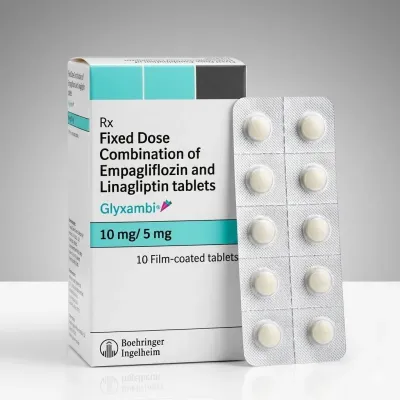
Glyxambi 10 mg / 5 mg Boehringer Ingelheim
View
Boehringer Ingelheim
10 mg / 5 mg 10 tablets
5169₴ 6067₴
✅ All products loaded (1)

Contact us

Choose a convenient way to contact

We work daily from 9:00 to 20:00