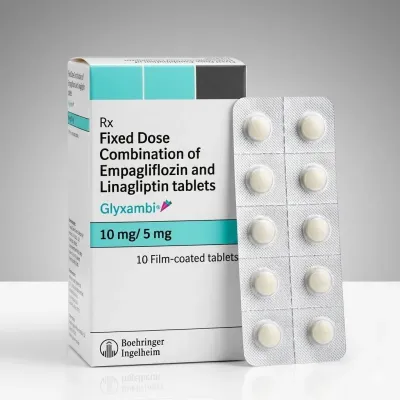
Empagliflozin – SGLT2 Inhibitor for Diabetes and Cardiovascular Health
Known as original brand(s)
Jardiance
Empagliflozin is a highly selective and potent oral inhibitor of sodium-glucose co-transporter 2 (SGLT2). The drug represents a new generation of hypoglycemic agents whose mechanism of action is independent of insulin secretion or tissue sensitivity to it. Empagliflozin has fundamentally changed the approach to diabetes therapy by demonstrating pronounced cardioprotective and nephroprotective properties.
The drug's mechanism of action is based on the suppression of glucose reabsorption in the proximal tubules of the kidneys. SGLT2 is the primary transporter responsible for returning glucose from the renal filtrate back into the bloodstream. By blocking this protein, empagliflozin promotes the excretion of excess glucose in the urine (glucosuria), which leads to a direct reduction in plasma glucose levels. Additionally, the drug induces moderate osmotic diuresis and natriuresis, contributing to lower blood pressure and reduced myocardial preload. These processes help slow the progression of chronic kidney disease and significantly reduce the risk of hospitalization for heart failure.
The drug is taken once daily and works effectively both as monotherapy and as part of complex treatment regimens for diabetes and cardiovascular diseases.

Indications
Empagliflozin is indicated for use in adult patients for the following clinical conditions:
- Type 2 Diabetes Mellitus: glycemic control (as an adjunct to diet and exercise) both as monotherapy and in combination with metformin, sulfonylureas, or insulin.
- Cardiovascular Risks: reduction of cardiovascular death in patients with type 2 diabetes mellitus and established cardiovascular disease.
- Heart Failure: treatment of symptomatic chronic heart failure (both with reduced and preserved ejection fraction) to reduce the risk of hospitalizations.
- Chronic Kidney Disease (CKD): therapy for adults with CKD to slow the decline of kidney function and the risk of reaching end-stage renal disease.
Dosage and administration
The dosing regimen for empagliflozin is simple, but it requires consideration of the patient's renal function.
- Standard Dose: the recommended starting dose is 10 mg once daily.
- Maximum Dose: if well tolerated and stricter glycemic control is required, the dose may be increased to 25 mg once daily.
- Administration: the tablet is taken orally, swallowed whole with water. It can be taken with or without food.
- Renal Function Limitations: the drug's efficacy decreases with severe renal impairment. It is not recommended to start therapy if the estimated glomerular filtration rate (eGFR) is below 20–30 mL/min/1.73m².
- Elderly Patients: no dose adjustment is required based on age, but regular monitoring of renal function is essential.
Frequently Asked Questions
List of medicines by active substance