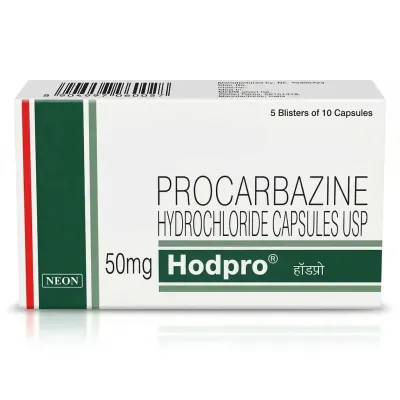
Procarbazine – Targeted Therapy
Procarbazine is an antineoplastic cytostatic agent belonging to the methylhydrazine derivative group. The drug is an alkylating agent with a unique multicomponent mechanism of action that effectively suppresses the replication of malignant cells. Procarbazine is classified as a cell cycle S-phase specific drug with the ability to cross the blood-brain barrier.
The mechanism of action of procarbazine is linked to its metabolic activation in the liver, during which active free radicals and methylating compounds are formed. These derivatives cause methylation of nucleic acids, leading to DNA strand breaks and inhibition of DNA, RNA, and protein synthesis. Additionally, the drug possesses the ability to inhibit the monoamine oxidase (MAO) enzyme, which accounts for its specific interactions with food products and other medications.
Due to its ability to effectively target central nervous system tissues and lymphoid tissue, procarbazine has become a key component of classic chemotherapy regimens, providing a significant increase in remission rates for lymphoproliferative diseases.

Indications
Procarbazine is used as part of combination treatment regimens (such as MOPP or BEACOPP) for the following conditions:
- Hodgkin's Lymphoma (Hodgkin's Disease): first-line and salvage therapy in combination with alkylating agents, vinca alkaloids, and glucocorticoids.
- Non-Hodgkin Lymphomas: treatment of various histological types of malignant lymphomas resistant to standard therapy.
- Brain Tumors: comprehensive therapy for malignant gliomas (including glioblastoma multiforme and anaplastic astrocytoma) in the PCV regimen.
- Brill-Symmers Disease: (nodular lymphoma) in cases of progressive disease course.
- Reticulosarcoma: as a component of palliative or radical chemotherapy.
Dosage and administration
The dosage of procarbazine is calculated individually by an oncologist, taking into account the protocol scheme and the patient's body surface area (BSA).
- Standard Dose: typically ranges from 50–100 mg/m² of body surface area per day for 7–14 days within a single chemotherapy cycle.
- Administration Method: the drug is taken orally. Tablets or capsules should be swallowed whole, preferably after meals, to reduce gastrointestinal irritation.
- Dietary Restrictions: due to MAO inhibition, patients are strictly prohibited from consuming foods high in tyramine (aged cheeses, red wine, beer, smoked meats, chocolate) to avoid hypertensive crisis.
- Alcohol: strictly contraindicated, as procarbazine causes a disulfiram-like reaction (nausea, vomiting, drop in blood pressure).
- Therapy Monitoring: weekly monitoring of blood counts (leukocytes, platelets) and liver function is required. If the leukocyte count falls below 3000/µL, treatment is temporarily suspended.