
Zoledronic Acid – Bone Resorption Inhibitor

Zoledronic Acid is a highly potent third-generation nitrogen-containing bisphosphonate that acts selectively on bone tissue. It is recognized as one of the strongest inhibitors of osteoclastic bone resorption currently used in oncology and rheumatology.

The mechanism of action involves the inhibition of the enzyme farnesyl pyrophosphate synthase within osteoclasts. This leads to the disruption of cellular metabolism in bone-resorbing cells and induces their apoptosis (cell death). Consequently, bone resorption intensity is reduced, calcium release into the bloodstream is minimized, and the bone structure is reinforced. In oncological settings, zoledronic acid also exhibits anti-tumor properties by suppressing cell proliferation and angiogenesis, which helps prevent the development of bone metastases.

The medication is characterized by a long retention period in the bone tissue, allowing for infrequent administration (ranging from monthly to annually depending on the indication).

Wikipedia page
Zoledronic Acid

Indications

Zoledronic acid is administered via intravenous infusion for the following conditions:

  • Bone Metastases: prevention of skeletal-related events (fractures, spinal cord compression) in patients with advanced malignancies.
  • Multiple Myeloma: as part of therapy to protect bone integrity.
  • Hypercalcemia of Malignancy: treatment of critically high calcium levels caused by tumors.
  • Osteoporosis: treatment of postmenopausal osteoporosis and reduction of fracture risk (including after hip fractures).
  • Paget's Disease of Bone: therapeutic management of bone deformities.

Dosage and administration

Zoledronic acid must be administered strictly by intravenous infusion in a clinical setting.

  • Oncology Indications: the standard dose is 4 mg every 3 to 4 weeks.
  • Osteoporosis: 5 mg administered once yearly.
  • Preparation: patients must be adequately hydrated (drinking plenty of water) before the infusion.
  • Duration: the infusion must last at least 15 minutes to minimize the risk of renal toxicity.
  • Supplements: patients are often prescribed calcium and vitamin D supplements to prevent hypocalcemia.
The use of this medication is restricted in the following cases:

  • Severe Renal Impairment: creatinine clearance below 30–35 mL/min.
  • Mineral Metabolism Disorders: pre-existing hypocalcemia (low blood calcium levels).
  • Pregnancy and Lactation: the drug is fetotoxic; breastfeeding is strictly prohibited.
  • Hypersensitivity: allergy to zoledronic acid or other bisphosphonates.

Common adverse reactions associated with zoledronic acid include:

  • Flu-like Symptoms: fever, muscle pain, joint pain, and chills (most common within the first 3 days after the initial dose).
  • Renal System: risk of kidney function impairment, especially if the infusion is administered too rapidly.
  • Electrolyte Imbalance: decreased levels of calcium, phosphate, and magnesium in the blood.
  • Osteonecrosis of the Jaw (ONJ): a rare but serious complication, often linked to invasive dental procedures or poor oral hygiene.
  • Gastrointestinal: nausea, vomiting, and decreased appetite.

Frequently Asked Questions

Zoledronic acid belongs to the class of highly potent bisphosphonates. It acts selectively on bone tissue by inhibiting the activity of osteoclasts—cells responsible for bone resorption. This helps slow down bone loss, strengthen the skeletal structure, and significantly reduce the risk of fractures.
Zoledronic acid is used in two primary fields: oncology (to treat bone metastases and tumor-induced hypercalcemia) and rheumatology (to treat osteoporosis, including postmenopausal osteoporosis, and Paget's disease of bone).
Adequate hydration is critical for protecting the kidneys. Zoledronic acid is excreted by the kidneys, and dehydration can lead to impaired renal function. Patients are advised to drink at least two glasses of water just before the infusion and maintain proper hydration throughout the day.
This is a rare but serious complication where the jawbone tissue begins to die. To minimize risk, a complete dental examination and necessary treatments should be performed before starting therapy. During treatment, invasive dental procedures (like tooth extractions) should be avoided, and excellent oral hygiene must be maintained.
The frequency of administration depends on the indication. For osteoporosis, it is typically administered once a year. In oncology, infusions are performed much more frequently, usually once every 3 to 4 weeks. The treatment schedule is strictly determined by a physician based on the diagnosis and the patient's condition.

List of medicines by active substance Zoledronic Acid

-10%
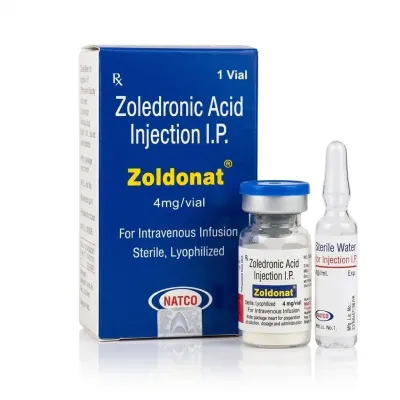
Zoldonat 4 mg Natco
View
Natco
4 mg 1 vial
1187₴ 1318₴
✅ All products loaded (1)

Contact us

Choose a convenient way to contact

We work daily from 9:00 to 20:00