
Alpelisib – PI3K Kinase Inhibitor for Targeted Cancer Therapy

Alpelisib is a first-in-class oral selective phosphatidylinositol-3-kinase (PI3K) inhibitor, specifically targeting the alpha-specific isoform (p110α). The drug was developed specifically to overcome endocrine resistance in the treatment of breast cancer. In patients with PIK3CA gene mutations, the PI3K enzyme becomes hyperactive, stimulating uncontrolled tumor growth and rendering it insensitive to standard hormone therapy. Alpelisib precisely blocks this signaling pathway, restoring cell sensitivity to treatment and inducing cell death.

The mechanism of action of alpelisib involves specific binding to the ATP-binding pocket of the p110α isoform of PI3K kinase. This inhibition interrupts the cascade of reactions responsible for cancer cell proliferation and survival. Since PIK3CA mutations occur in approximately 40% of patients with hormone-dependent breast cancer, alpelisib is a key to personalized medicine in this field. A unique feature of the drug is its synergism with fulvestrant: the combined effect on estrogen receptors and the PI3K pathway provides a significantly more potent antitumor effect than any monotherapy. The drug is also being studied for the treatment of PIK3CA-related overgrowth spectrum (PROS), where it helps reduce the volume of abnormal tissues.

Alpelisib therapy requires mandatory confirmation of the PIK3CA mutation in the tumor tissue or blood plasma (liquid biopsy).

Wikipedia page
Alpelisib

Indications

Alpelisib is indicated for use in combination with fulvestrant for the treatment of the following conditions:

  • Breast Cancer (BC): treatment of postmenopausal women and men with HR+/HER2-negative advanced or metastatic cancer.
  • PIK3CA Mutation: confirmed presence of a pathogenic mutation in the PIK3CA gene following progression on or after endocrine-based therapy.
  • PROS Syndromes: treatment of severe manifestations of the PIK3CA-related overgrowth spectrum in adults and pediatric patients (under specific access programs).

Dosage and administration

The dosing regimen for alpelisib is designed to maintain therapeutic concentrations while carefully monitoring blood sugar levels.

  • Standard Dose: 300 mg (two 150 mg tablets) once daily.
  • Administration Method: the drug must be taken orally immediately after food. Food intake is vital for the bioavailability of the active substance.
  • Timing: it is recommended to take the tablets at the same time each day.
  • Dose Adjustment: if side effects develop, the dose is reduced to 250 mg, then to 200 mg. If 200 mg is not tolerated, therapy is discontinued.
  • Glucose Monitoring: weekly monitoring of fasting blood sugar levels is required during the first weeks of therapy.

The use of alpelisib has several serious restrictions related to its metabolic impact:

  • Hypersensitivity: severe allergic reactions to alpelisib or any excipients.
  • Severe Skin Reactions: history of Stevens-Johnson syndrome or toxic epidermal necrolysis.
  • Type 1 Diabetes: or uncontrolled Type 2 diabetes, as the drug causes significant hyperglycemia.
  • Pregnancy and Lactation: the drug is toxic to the fetus; breastfeeding is prohibited during treatment and for one week after.
  • Pediatric Use: standard use is limited to adults (except for specific indications in PROS).

The side effects of alpelisib are directly related to its mechanism of action on glucose metabolism:

  • Hyperglycemia: increased blood sugar levels are observed in the majority of patients and often require dietary adjustment or metformin.
  • Dermatology: skin rash, itching, and dry skin. In rare cases, severe desquamative lesions may occur.
  • GI Disorders: diarrhea (very common), nausea, decreased appetite, and inflammation of the oral mucosa (stomatitis).
  • Laboratory Shifts: increased creatinine levels, decreased hemoglobin, and lymphocyte counts.
  • General Condition: significant weight loss, fatigue, and changes in taste perception.
  • Respiratory System: risk of pneumonitis (lung inflammation), requiring immediate discontinuation if shortness of breath occurs.

Frequently Asked Questions

Alpelisib is a targeted therapy that acts as a specific inhibitor of phosphatidylinositol-3-kinase (PI3K), primarily its alpha isoform. In certain cancer cells, this pathway becomes overactive due to mutations, driving uncontrolled cell division. Alpelisib blocks this signaling pathway, halting tumor progression and leading to cancer cell death.
Alpelisib is used to treat advanced or metastatic breast cancer (HR+/HER2-). The medication is only effective if a specific mutation in the PIK3CA gene is detected within the tumor. Molecular genetic testing is mandatory before starting therapy to confirm that the patient will benefit from the treatment.
One of the most common side effects of alpelisib is hyperglycemia (high blood sugar), as the PI3K pathway is involved in insulin signaling. Patients must regularly monitor their blood glucose and glycated hemoglobin (HbA1c) levels. In some cases, dietary changes or the initiation of glucose-lowering medications may be required during the treatment course.
Alpelisib is taken once daily, strictly with food, as a meal significantly increases the drug's absorption. Skin rash is another frequent side effect. At the first sign of a rash, you should contact your physician immediately. Antihistamines are often prescribed for the prevention or treatment of these skin reactions.
Patients often experience diarrhea, nausea, and decreased appetite. If diarrhea occurs, it is important to stay hydrated to prevent dehydration and discuss the use of anti-diarrheal medications (such as loperamide) with a doctor. Early dietary adjustments and supportive care are key to successfully completing the treatment course.

List of medicines by active substance

-6%
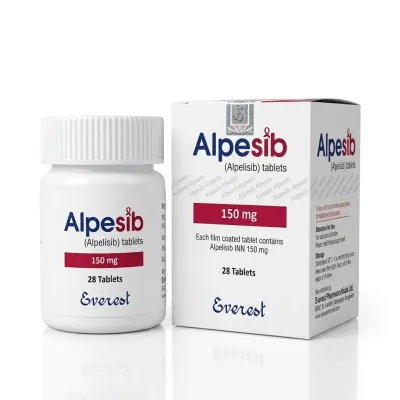
Alpesib 150 mg Everest
View
Everest
150 mg 28 tablets
15281₴ 16180₴
✅ All products loaded (1)

Contact us

Choose a convenient way to contact

We work daily from 9:00 to 20:00