
Amphotericin B: Systemic Antifungal Therapy Guide

Known as original brand(s)

Fungizone

Amphotericin B is a potent systemic antifungal antibiotic belonging to the polyene class, produced by Streptomyces nodosus. It represents the gold standard in the treatment of severe, life-threatening systemic and invasive fungal infections in immunocompromised patients. Lipid and emulsion formulations have been developed to significantly reduce the nephrotoxicity associated with conventional amphotericin B deoxycholate.

The mechanism of action of amphotericin B relies on its binding to ergosterol, the primary sterol component of fungal cell membranes. This binding disrupts membrane integrity, creating transmembrane pores that cause leakage of essential intracellular ions (predominantly potassium and magnesium), ultimately leading to fungal cell death (fungicidal effect). The drug also demonstrates activity against certain protozoa, such as Leishmania species.

Clinical administration of amphotericin B allows effective control of severe deep-seated fungal infections, preventing fungal dissemination and saving lives in critical invasive mycoses.

Wikipedia page
Amphotericin B

Indications

Amphotericin B is indicated in infectious disease, mycology, and hematology for the following conditions:

  • Invasive Candidiasis and Aspergillosis: Severe systemic forms including candidemia, pulmonary, and disseminated aspergillosis.
  • Deep Systemic Mycoses: Cryptococcosis (including cryptococcal meningitis), histoplasmosis, blastomycosis, coccidioidomycosis, paracoccidioidomycosis, and mucormycosis (zygomycosis).
  • Protozoal Infections: Visceral and mucocutaneous leishmaniasis.
  • Empiric Antifungal Therapy: Treatment of febrile neutropenia in immunocompromised patients with suspected systemic fungal infections.

Dosage and administration

Amphotericin B is administered strictly by slow intravenous infusion in a hospital setting. Dosing must be individually tailored:

  • Administration Method: Administered via slow IV infusion over 2 to 6 hours. Rapid intravenous bolus injection is strictly prohibited.
  • Recommended Dosage: For lipid/emulsion formulations, the standard daily dose ranges from 3.0 to 5.0 mg/kg/day. For conventional deoxycholate formulations, doses range from 0.25 to 1.0 mg/kg/day.
  • Test Dose: A test dose (1 mg) infused over 20–30 minutes is often recommended prior to the first therapeutic infusion to assess tolerance.
  • Monitoring: Regular assessment of renal function (serum creatinine, BUN), electrolytes (potassium, magnesium), liver enzymes, and complete blood counts is mandatory during therapy.
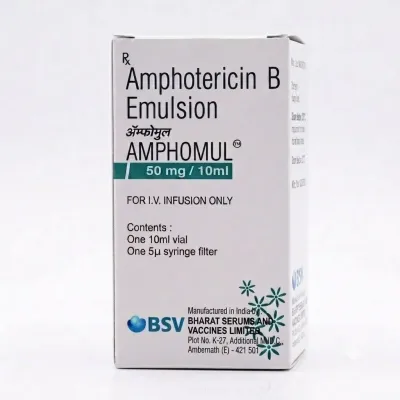

Amphotericin B is contraindicated in the following cases:

  • Hypersensitivity: Known hypersensitivity to amphotericin B or any of the inactive ingredients.
  • Hepatic and Renal Impairment: Severe pre-existing renal or hepatic dysfunction (unless potential benefits outweigh life-threatening risks).
  • Pregnancy and Lactation: Breastfeeding periods (use during pregnancy only if clearly indicated for life-threatening conditions).
  • Precautions: Use with extreme caution in patients receiving concurrent nephrotoxic agents or anticoagulants.

Amphotericin B therapy may induce significant adverse effects requiring strict medical supervision:

  • Infusion-related Reactions: Fever, chills, rigors, headache, nausea, vomiting, and hypotension (typically occurring 1–3 hours after initiating infusion).
  • Renal System: Nephrotoxicity, elevated serum creatinine and urea levels, impaired renal function, and azotemia.
  • Electrolyte Imbalances: Severe hypokalemia and hypomagnesemia.
  • Hematologic System: Normochromic normocytic anemia, leukopenia, and thrombocytopenia.
  • Cardiovascular System: Arrhythmias, hypotension, or hypertension.
  • Local Reactions: Phlebitis, pain, and thrombophlebitis at the injection site.

Frequently Asked Questions

Amphotericin B is a potent polyene antifungal medication traditionally considered the gold standard for treating severe, life-threatening systemic mycoses. Its mechanism of action relies on its high binding affinity for ergosterol, a primary sterol found in fungal cell membranes. Amphotericin B integrates into the membrane and forms ion-permeable pores, causing a massive leakage of vital intracellular electrolytes—principally potassium. This compromises membrane integrity, leading directly to fungal cell death and providing rapid fungicidal efficacy.
Amphotericin B is indicated for the treatment of severe, progressive, and potentially fatal systemic fungal infections. These include invasive aspergillosis, cryptococcal meningitis, disseminated candidiasis, histoplasmosis, blastomycosis, coccidioidomycosis, and mucormycosis (zygomycosis), which frequently affect immunocompromised patients. Due to its significant toxicity profile, amphotericin B is typically reserved for critical infections where alternative therapies, such as azoles, have failed or are clinically inappropriate.
Amphotericin B is available as a conventional deoxycholate formulation and in advanced lipid-based (liposomal) delivery systems. Conventional amphotericin B is notorious for high nephrotoxicity and severe infusion-related reactions. In contrast, liposomal amphotericin B is encapsulated within microscopic lipid vesicles, which alter its pharmacokinetic profile by preferentially delivering the drug to infection sites while shielding healthy tissues and kidneys. This lipid encapsulation allows clinicians to administer significantly higher therapeutic doses with greatly reduced renal toxicity and fewer adverse events.
Amphotericin B is administered strictly via intravenous infusion in a hospital setting under close medical supervision. During or immediately following the infusion, patients frequently experience acute infusion-related reactions, including rigors (severe chills), high fever, nausea, vomiting, headache, myalgia, and tachypnea. To mitigate these unpleasant and potentially alarming symptoms, clinicians routinely administer pre-medications (such as antihistamines, antipyretics, corticosteroids, or antiemetics) and ensure the infusion is delivered slowly over several hours.
Because conventional amphotericin B carries a high risk of nephrotoxicity, rigorous and frequent laboratory monitoring is mandatory throughout the treatment course. Serum creatinine and blood urea nitrogen must be checked multiple times a week to assess renal function. Electrolyte levels—particularly potassium and magnesium—must also be closely tracked, as the drug frequently induces severe hypokalemia and hypomagnesemia that require active intravenous or oral replacement. Additionally, complete blood counts and liver function tests are monitored to detect drug-induced anemia and hepatic strain.

List of medicines by active substance

-21%
Amphomul
View
Bharat Serums
50 mg 1 piece
2200₴ 2800₴
✅ All products loaded (1)
Unifarm

Unifarm app

Safari → Share → Add to Home Screen Firefox: menu ⋮ → Install or Add to Home screen. If missing, open the site in Chrome. Chrome: menu ⋮ → Install app or Add to Home screen.

Contact us

Choose a convenient way to contact

We work daily from 9:00 to 20:00