
Apalutamide – Next-Generation Androgen Receptor Inhibitor

Apalutamide is a potent second-generation selective androgen receptor (AR) inhibitor designed for the pathogenetic treatment of prostate cancer. Unlike first-generation antiandrogens, apalutamide possesses a multifunctional mechanism of action: it not only blocks the binding of androgens (such as testosterone) to receptors but also prevents the translocation of the receptors themselves into the cell nucleus, as well as their binding to DNA. This effectively halts the growth and division of cancer cells, even when the tumor becomes resistant to standard hormone therapy.

The mechanism of action of apalutamide is focused on total suppression of the androgen signal, which is the primary driver of prostate carcinoma growth. The drug binds directly to the ligand-binding domain of the androgen receptor. This leads to the inhibition of cell proliferation and the initiation of apoptosis (programmed death) of tumor cells, contributing to a significant reduction in serum prostate-specific antigen (PSA) levels. A unique feature of apalutamide is its ability to substantially increase metastasis-free survival in patients with non-metastatic castration-resistant prostate cancer, effectively "freezing" the disease at a stage before it has spread throughout the body. The drug exhibits high oral bioavailability and a stable therapeutic profile during long-term use.

The drug is taken orally once daily. Treatment is usually conducted alongside ongoing androgen deprivation therapy (GnRH analogs or after surgical castration).

Wikipedia page
Apalutamide

Indications

Apalutamide is indicated for the treatment of adult men with the following forms of prostate cancer:

  • Non-metastatic Castration-Resistant Prostate Cancer (nmCRPC): in patients at high risk of developing metastases.
  • Metastatic Castration-Sensitive Prostate Cancer (mCSPC): in combination with androgen deprivation therapy.
  • PSA Level Control: slowing disease progression in cases of rapid tumor marker elevation.

Dosage and administration

The apalutamide dosing regimen is standardized but requires medical monitoring of bone density and thyroid function.

  • Standard Dose: 240 mg once daily (four 60 mg tablets).
  • Administration Method: tablets are taken orally whole, regardless of food intake. It is recommended to take the medication at the same time every day.
  • Missed Dose: if a dose is missed, it should be taken as soon as possible on the same day. Do not take a double dose the next day.
  • Adjustment for Toxicity: if severe side effects develop, the dose may be temporarily reduced to 180 mg or 120 mg per day.
  • Concomitant Therapy: patients must continue to receive treatment with drugs that suppress testosterone production (GnRH analogs).

The use of apalutamide is contraindicated in women and requires caution in patients with neurological disorders:

  • Female Gender: the drug is strictly contraindicated in women, especially pregnant women, due to the risk of severe fetal malformations.
  • Hypersensitivity: allergic reactions to apalutamide or any auxiliary components of the drug.
  • Severe Renal Impairment: safety data for patients in terminal stages are limited.
  • Severe Hepatic Impairment: use is not recommended in Child-Pugh Class C.
  • History of Seizures: due to the risk of seizure occurrence associated with AR inhibitors.

The side effects of apalutamide are often related to androgen suppression and systemic metabolic impact:

  • General Symptoms: fatigue (asthenia), hot flashes, and weight loss.
  • Musculoskeletal System: joint pain (arthralgia), increased risk of bone fractures, and falls.
  • Dermatology: skin rash (maculopapular), which may require corticosteroid treatment.
  • Endocrine System: development of hypothyroidism (decreased thyroid function), requiring TSH level monitoring.
  • Digestion: diarrhea, nausea, and changes in taste perception.
  • Cardiovascular Risks: increased blood pressure and risk of ischemic heart disease.

Frequently Asked Questions

Apalutamide is a next-generation selective androgen receptor inhibitor. It works by blocking the effect of testosterone and other male hormones (androgens) that stimulate the growth of cancer cells in the prostate gland. The medication acts at three levels: it prevents androgens from binding to receptors, blocks the receptors from entering the cell nucleus, and interferes with their binding to the tumor's DNA.
The primary indications are non-metastatic castration-resistant prostate cancer (nmCRPC) at high risk of developing metastases, and metastatic castration-sensitive prostate cancer (mCSPC). The substance significantly extends the time before disease progression and the appearance of metastases.
The standard dose of apalutamide is 240 mg (typically four 60 mg tablets) taken once daily. The tablets should be swallowed whole and can be taken with or without food, preferably at the same time each day. If a dose is missed, it should be taken as soon as possible on the same day; do not double the dose the following day.
Androgen deprivation therapy can lead to decreased bone mineral density (osteoporosis). Additionally, the drug may cause fatigue and balance impairment, which increases the risk of falls. Patients are encouraged to engage in regular weight-bearing exercise, monitor calcium and vitamin D levels, and ensure a fall-safe environment at home to prevent injuries.
Skin rash is a common side effect of apalutamide. It typically appears as redness or small bumps. In most cases, the rash resolves on its own or with the use of topical creams and antihistamines. Any skin changes should be reported to a healthcare provider promptly to determine if treatment adjustments are necessary.

List of medicines by active substance

-10%
Apnat 60 mg Natco
View
Natco
60 mg 120 tablets
19775₴ 22022₴
-4%
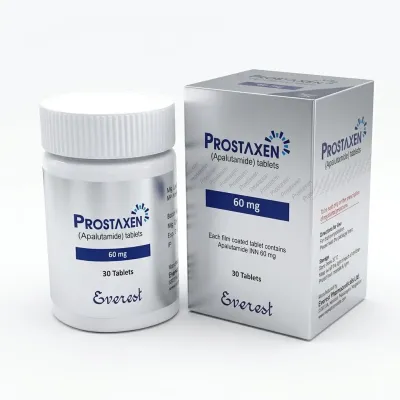
Prostaxen 60 mg Everest
View
Everest
60 mg 30 tablets
11236₴ 11685₴
✅ All products loaded (2)

Contact us

Choose a convenient way to contact

We work daily from 9:00 to 20:00