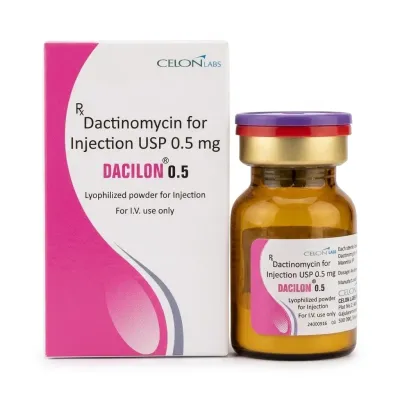
Dactinomycin – Cancer Treatment
Known as original brand(s)
Cosmegen
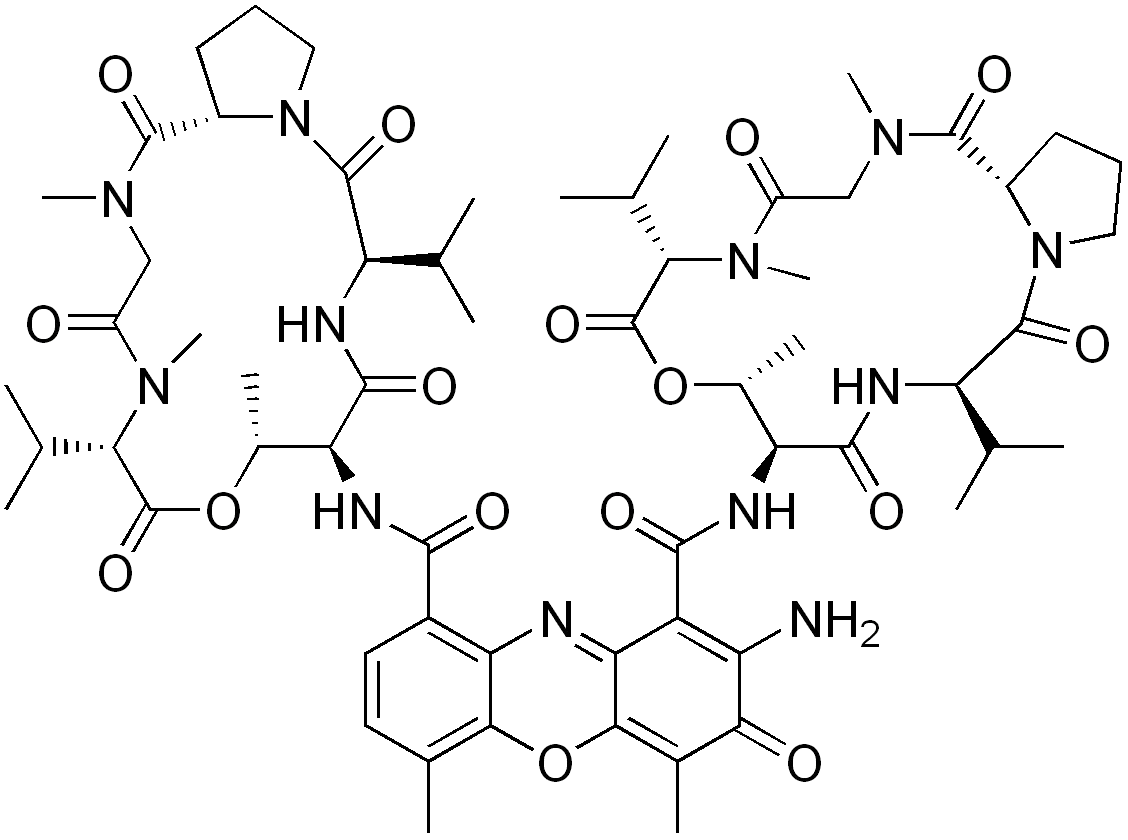
Dactinomycin, also known as Actinomycin D, is a highly potent cytotoxic antibiotic belonging to the actinomycin group, produced by the microorganism Streptomyces parvullus. It is one of the oldest and most thoroughly studied targeted chemotherapy agents, characterized by its profound antitumor activity.
The mechanism of action of dactinomycin is based on its ability to undergo highly selective intercalation into the minor groove of the DNA double helix between adjacent guanine-cytosine base pairs. By forming a stable complex with DNA, the drug creates a spatial obstruction for the progression of RNA polymerase, leading to selective inhibition of messenger RNA synthesis (transcription). At higher concentrations, dactinomycin also suppresses DNA synthesis and induces single-strand breaks in its structure.
As a cell cycle phase-nonspecific agent, it most effectively suppresses rapidly dividing malignant cells by blocking their proliferation and triggering apoptosis (programmed cell death) mechanisms, making it an indispensable component in the treatment of various rare and aggressive pediatric and adult malignancies.
Indications
Dactinomycin is used as part of comprehensive chemotherapy protocols for the treatment of the following conditions:
- Wilms Tumor (Nephroblastoma): one of the primary components of combined therapy in pediatric patients.
- Rhabdomyosarcoma: a malignant soft tissue tumor (usually in combination with vincristine and cyclophosphamide).
- Trophoblastic Diseases: gestational choriocarcinoma (including forms resistant to methotrexate).
- Ewing Sarcoma: a highly aggressive tumor of the bone and soft tissues.
- Germ Cell Tumors: specific neoplasms of the testes and ovaries.
- Local Treatment: may be used for regional perfusion in patients with melanoma and sarcomas of the limbs.
Dosage and administration
Dactinomycin therapy must be conducted strictly under the supervision of a specialized oncologist. The dose is calculated individually based on the patient's body weight or body surface area (BSA).
- Standard Regimen: the dosage typically varies from 10 mcg/kg to 15 mcg/kg daily for 5 days every 4–6 weeks.
- Route of Administration: the drug is administered exclusively intravenously. It is critical to avoid extravasation (leakage into surrounding tissues), as dactinomycin is a potent vesicant and causes severe tissue necrosis.
- Calculation Specifics: when determining doses for patients with obesity or significant edema, calculations are based on "ideal" body weight to avoid severe overdose.
- Monitoring: daily monitoring of blood counts and regular checks of renal and hepatic function are required throughout the entire treatment cycle.