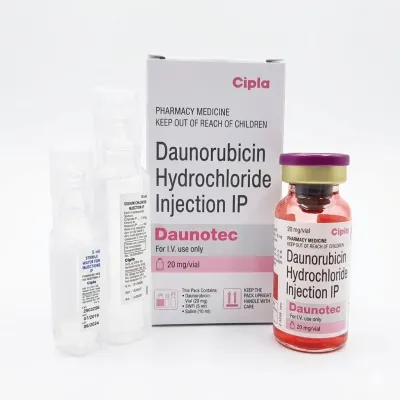
Daunorubicin – Leukemia Treatment
Known as original brand(s)
Cerubidine
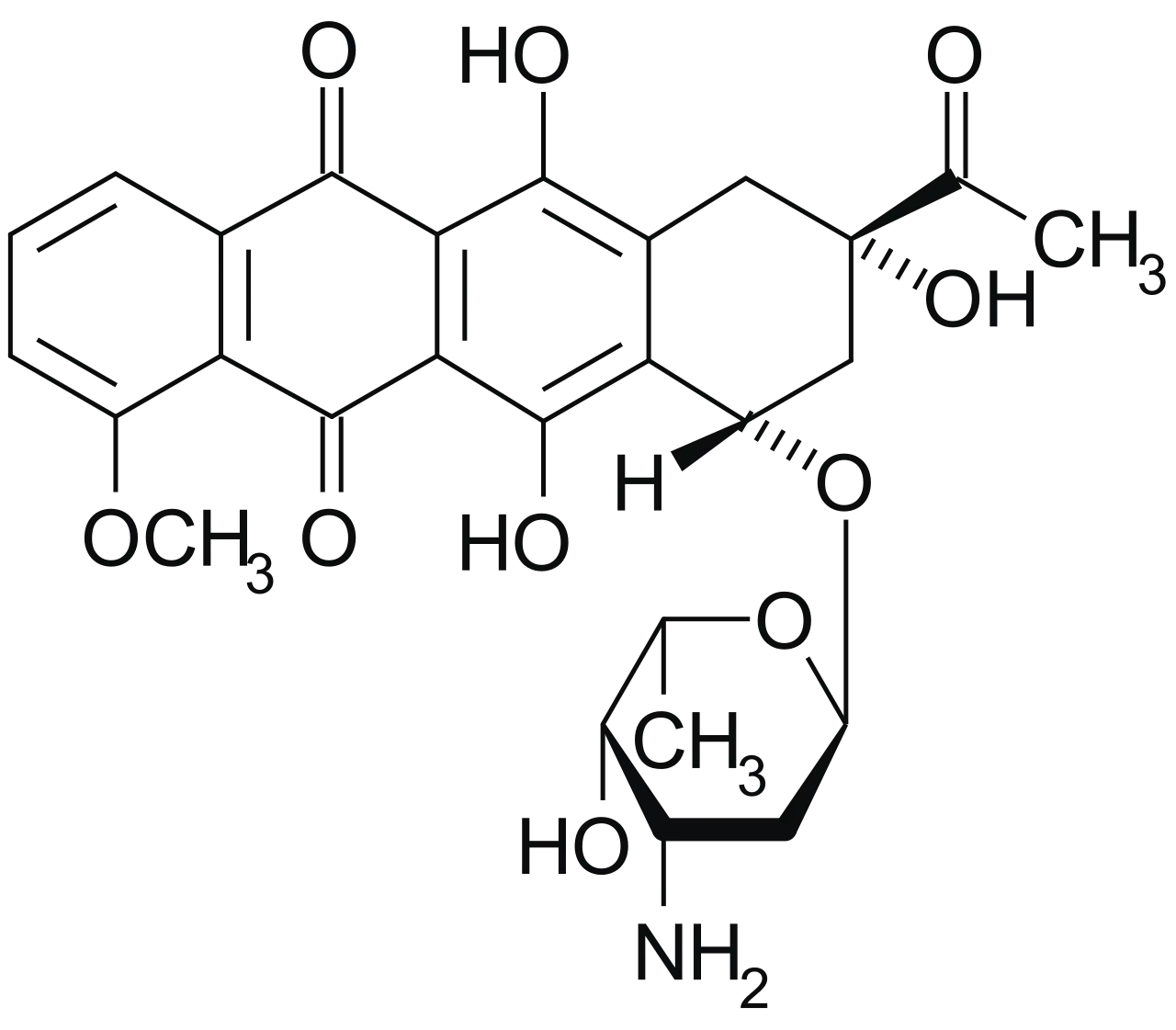
Daunorubicin is an antitumor antibiotic from the anthracycline group, produced by the microorganisms Streptomyces peucetius. The drug is a key component of induction chemotherapy for acute leukemias, possessing significant cytotoxic activity against rapidly dividing blood cells.
The mechanism of action of daunorubicin is multifaceted. It binds to DNA through intercalation (insertion between base pairs), which disrupts nucleic acid synthesis. The drug also inhibits the topoisomerase II enzyme, causing DNA strand breaks, and stimulates the formation of free radicals that damage cell membranes. This leads to cell cycle arrest and triggers apoptosis (programmed cell death) of malignant cells.
The drug is administered strictly intravenously. Its use requires high precision, as daunorubicin exhibits cumulative cardiotoxicity, which limits the total lifetime dose a patient can receive.
Indications
Daunorubicin is the drug of choice for treating aggressive hematological malignancies:
- Acute Myeloid Leukemia (AML): induction of remission in adults and children (often as part of the "7+3" protocol).
- Acute Lymphoblastic Leukemia (ALL): as part of combination chemotherapy regimens.
- Chronic Myeloid Leukemia: during the blast crisis phase.
- Neuroblastoma: used in some pediatric cases as part of complex therapy.
Dosage and administration
Daunorubicin dosage is calculated by an oncohematologist based on body surface area and the specific treatment protocol.
- Dosing Regimen: typically 30–60 mg/m² per day. The duration of the course (e.g., 3 consecutive days) depends on the type of leukemia.
- Administration Method: administered strictly intravenously (infusion or bolus). Extravasation (leakage into surrounding tissue) causes severe tissue necrosis.
- Cardiac Monitoring: EKG and Echocardiogram monitoring to assess left ventricular ejection fraction is mandatory before and during treatment.
- Cumulative Dose: the total lifetime dose should generally not exceed 450–550 mg/m² to prevent heart failure.
- Renal Protection: vigorous hydration and allopurinol are often prescribed to prevent tumor lysis syndrome.