
L-Ornithine L-Aspartate – Amino Acid Complex for Ammonia Detoxification

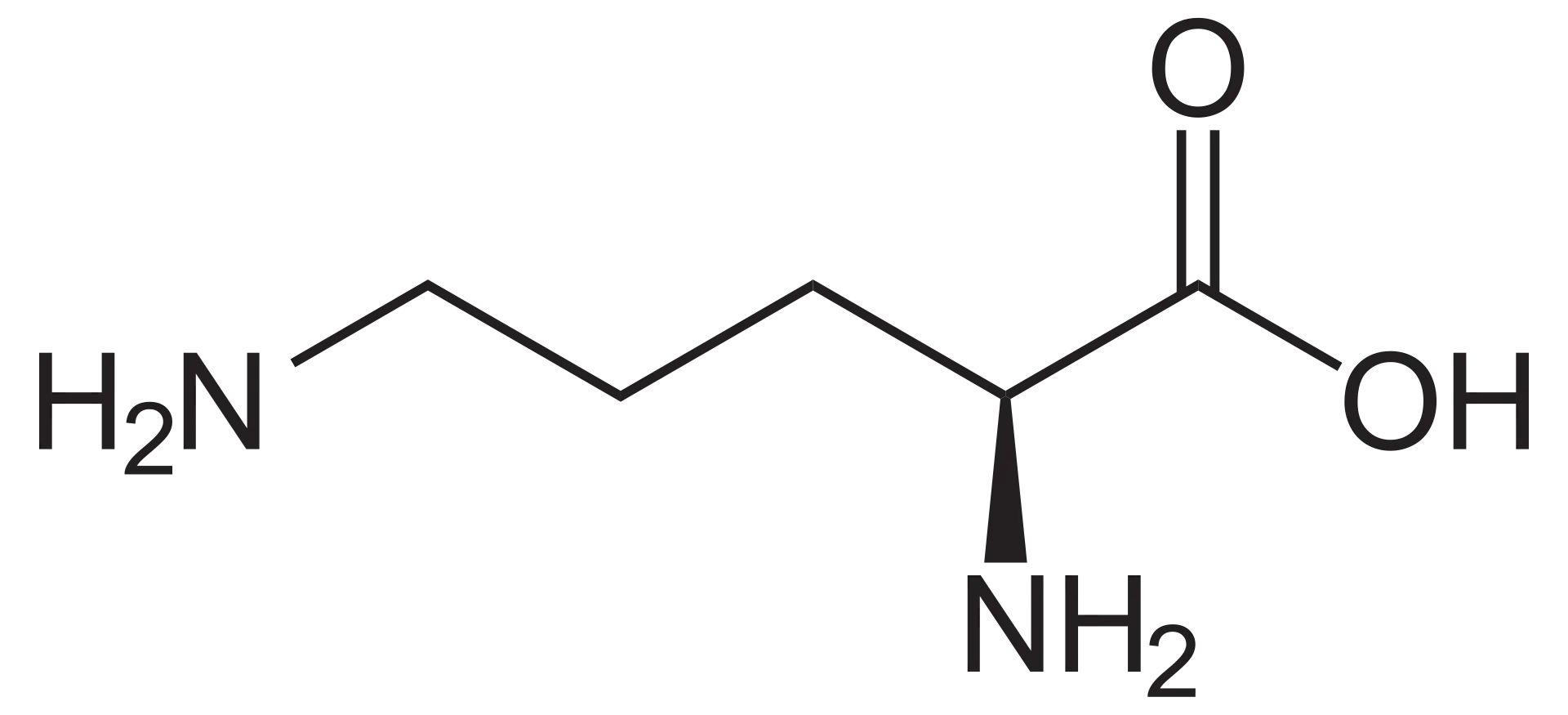
L-Ornithine L-Aspartate (LOLA) is a stable salt combination of two natural endogenous amino acids (L-ornithine and L-aspartate) that exhibits prominent hepatoprotective, hypoammonemic, and detoxification properties. The mechanism of action of this agent is directed toward reducing pathologically elevated levels of toxic ammonia within the systemic circulation by activating two primary pathways of ammonia metabolism in the body. First, L-ornithine serves as a principal substrate and allosteric activator for carbamoyl phosphate synthetase, the initial enzyme of the ornithine urea cycle (Krebs–Henseleit cycle) located within periportal hepatocytes. Second, both L-ornithine and L-aspartate easily cross the blood-brain barrier and serve as foundational substrates for glutamine synthesis within perivenous hepatocytes, skeletal muscle tissue, and cerebral astrocytes via the enzyme glutamine synthetase. Aspartate is also directly incorporated into the urea cycle, supplying the second amino group equivalent required for the formation of argininosuccinate.

The clinical uniqueness of L-ornithine L-aspartate lies in its established therapeutic efficacy during the management of acute and chronic hepatic encephalopathy in patients presenting with liver cirrhosis and fibrosis. By lowering the concentration of free ammonia in blood plasma, LOLA decreases osmotic astrocytic swelling and reverses the neuropsychiatric manifestations of metabolic CNS impairment. Additionally, these amino acids normalize energy balance, optimize protein metabolism, and stimulate the release of growth hormone and insulin, accelerating the regeneration of damaged hepatic parenchyma. Following oral administration, LOLA rapidly dissociates within the gastrointestinal tract into ornithine and aspartate, which are then absorbed across the small intestine via active transport mechanisms. Both components possess an extremely short plasma elimination half-life (ranging from 30 to 50 minutes), distributing rapidly into target tissues and metabolic cascades. Excretion of metabolic end-products occurs predominantly via the kidneys in the urine in the form of urea and glutamine.

The drug is administered orally or via intravenous drip infusion. Initiating therapy mandates a prior assessment of renal function (serum creatinine levels). During intravenous infusion of high doses, strict tracking of the delivery rate is required to prevent acute neurological and gastrointestinal symptoms, along with regular monitoring of serum and urinary urea concentrations.
Wikipedia page
L-Ornithine L-Aspartate

Indications

L-Ornithine L-Aspartate is indicated for the systemic detoxification and hepatoprotective therapy of adult patients presenting with the following pathological states:

  • Hepatic Encephalopathy: management of latent, acute, and chronic hepatic encephalopathy developing secondary to acute or chronic liver disorders (such as liver cirrhosis or steatohepatitis).
  • Hyperammonemia: treatment of concurrent neurological impairments induced by a pathological rise in plasma ammonia levels due to compromised hepatic detoxification function.
  • Steatosis and Steatohepatitis: comprehensive management of non-alcoholic fatty liver disease (NAFLD) and toxic (including alcohol-induced) liver injuries to restore normal metabolic processes.

Dosage and administration

The dosing regimen of L-ornithine L-aspartate must be individualized based on the route of administration, the severity of the patient's clinical state, and observed therapeutic dynamics.

  • Oral Administration in Adults: the standard therapeutic dose is 3–5 g of the active substance taken orally up to 3 times daily. The total daily dose typically ranges from 9 to 15 g. The granulate must be pre-dissolved in a large volume of liquid (100–200 mL of water or juice) and taken during or immediately following a meal.
  • Intravenous Drip Infusion: in acute conditions or severe hepatic encephalopathy (up to precoma and coma), the drug is delivered via intravenous drip infusion. The standard initial dose is up to 20 g (4 ampoules of 5 g) per day dissolved in 500 mL of infusion fluid. In severe presentations, the daily dose may be escalated to a maximum of 40 g (8 ampoules) per day.
  • Infusion Rate Restrictions: the maximum delivery rate must not exceed 5 g of L-ornithine L-aspartate per hour. The drug should be diluted in 0.9% sodium chloride solution, 5% dextrose solution, or Ringer's solution.
  • Missed Dose: if an oral dose is missed, it should be taken as soon as remembered, unless the time for the next scheduled dose is imminent. Taking a double dose to compensate for a missed one is strictly prohibited.
  • Duration of Therapy: the course of oral treatment is determined by the clinician and usually spans from 2–4 weeks to several months. Intravenous administration is maintained until clinical stabilization is achieved and acute encephalopathy symptoms recede.

The use of L-ornithine L-aspartate is restricted by critical risks of metabolite accumulation during advanced excretory dysfunction and is contraindicated in the following conditions:

  • Hypersensitivity: documented history of hypersensitivity or individual intolerance to L-ornithine, L-aspartate, or any inactive formulation excipients inside the specific dosage form.
  • Renal Insufficiency: severe renal impairment (terminal stage or severe filtration delay) defined by a serum creatinine level exceeding 3 mg per 100 mL (creatinine clearance less than 20–30 mL per minute).
  • Pregnancy and Lactation: reliable safety data regarding use in pregnant women are unavailable. Administration during pregnancy is contraindicated unless the expected maternal benefit clearly outweighs potential risks to the fetus. Data regarding LOLA excretion into human breast milk are missing; therefore, breastfeeding must be discontinued during the therapeutic course.
  • Age Restrictions: safety, tolerability, and efficacy profiles of this agent in children and adolescents under 18 years of age have not been clinically established; use within the pediatric population is contraindicated.

The side effects of L-ornithine L-aspartate are usually mild and transient, most frequently manifesting during rapid intravenous infusion rates:

  • Gastrointestinal Disturbances: infrequently reported events include nausea, vomiting, epigastric discomfort, flatulence, abdominal pain, and diarrhea (symptoms usually resolve rapidly upon reducing the infusion rate or oral dose).
  • Musculoskeletal System: in rare instances, pain in extremities, muscle cramps, temporary convulsive readiness, or myalgia may be observed.
  • Neurological Manifestations: very rarely, during rapid intravenous delivery, sensations of heat, dizziness, headache, anxiety, or psychomotor agitation can occur.
  • Allergic Reactions: skin rashes, pruritus, urticaria, cutaneous flushing, and localized reactions at the intravenous puncture site.

Frequently Asked Questions

L-ornithine L-aspartate (LOLA) is a stable complex of two natural amino acids (ornithine and aspartate) that provides potent detoxifying and hepatoprotective effects. Its primary mechanism of action is to reduce elevated levels of toxic blood ammonia, which accumulates due to impaired hepatic clearance. LOLA operates via two distinct pathways: first, ornithine activates the urea cycle (Krebs-Henseleit cycle) in hepatocytes, converting free ammonia into non-toxic urea; second, both aspartate and ornithine serve as substrates for glutamine synthesis in the liver, skeletal muscle, and brain, effectively binding circulating ammonia directly into stable glutamine molecules.
The primary clinical indication for L-ornithine L-aspartate is the treatment of acute and chronic liver diseases presenting with hyperammonemia (elevated blood ammonia). The medication is particularly critical for the prevention and management of hepatic encephalopathy (both latent and clinically overt states)—a neuropsychiatric syndrome complicating liver cirrhosis, steatohepatitis, or severe hepatitis, resulting from neurotoxic metabolic damage to the central nervous system.
Oral formulations (granules for oral solution) are typically administered as 1 to 2 sachets dissolved in a generous volume of liquid (such as a glass of water or juice) up to 3 times daily, taken during or immediately following a meal. The intravenous infusion form (concentrate for solution in ampoules) must be diluted in a standard vehicle (such as glucose or normal saline) and administered strictly as a slow intravenous drip. The average daily dose is up to 4 ampoules, escalating to 8 ampoules in severe cases; the infusion speed must not exceed 5 g of the active substance per hour to prevent systemic side effects.
Strict adherence to the recommended infusion rate (maximum 5 g per hour) is clinically essential to prevent infusion-related adverse reactions. If the medication is infused too rapidly into the venous circulation, patients can experience acute nausea, vomiting, flushing, hyperhidrosis (sweating), and localized epigastric discomfort. If these symptoms manifest, the infusion does not need to be permanently aborted; instead, the rate should be immediately minimized, which typically leads to rapid symptom resolution.
The primary absolute contraindication for L-ornithine L-aspartate is severe renal impairment, explicitly defined as a serum creatinine level exceeding 3 mg per 100 mL, as compromised kidneys cannot clear the generated urea load. During high-dose or chronic therapy, it is mandatory to routinely monitor serum and urinary urea levels to prevent renal strain. Additionally, physicians prescribing the oral granule forms to patients with diabetes must account for the carbohydrate content present in the excipients.

List of medicines by active substance

-16%
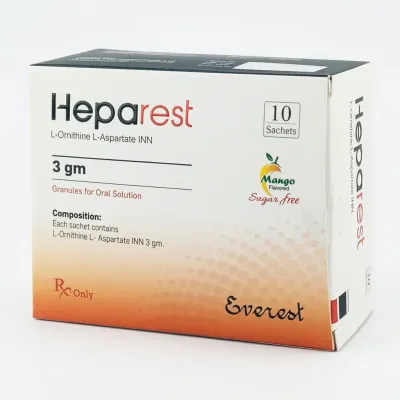
Heparest 3 gm Everest
View
Everest
3 gm 10 sachets
2427₴ 2876₴
✅ All products loaded (1)

Contact us

Choose a convenient way to contact

We work daily from 9:00 to 20:00