
Megestrol Acetate – Progestin Therapy for Oncology and Cachexia

Megestrol Acetate is a synthetic progestational steroid compound derived from the naturally occurring hormone progesterone. The drug possesses pronounced antiestrogenic, antigonadotropic, and moderate antiandrogenic properties. In oncological practice, its primary mechanism of action against hormone-dependent tumors relies on the suppression of pituitary gonadotropin secretion (luteinizing and follicle-stimulating hormones), leading to a significant reduction in systemic estrogen and androgen levels, as well as a direct cytotoxic effect on tumor cells expressing progesterone receptors.

The second unique therapeutic feature of megestrol acetate is its ability to stimulate appetite and promote weight gain. This effect is mediated through complex metabolic and neuroendocrine pathways: the drug inhibits the synthesis and release of pro-inflammatory cytokines (such as interleukin-1, interleukin-6, and tumor necrosis factor-alpha) that induce anorexia-cachexia syndrome, and it stimulates neuropeptide Y in the hypothalamus. Consequently, it is widely utilized to treat progressive wasting in cancer and acquired immunodeficiency syndrome (AIDS) patients. The drug is well absorbed from the gastrointestinal tract, metabolized predominantly in the liver, and delivers a stable clinical response.

The drug is administered orally. Treatment requires regular monitoring of adrenal function due to the risk of developing glucocorticoid-like effects during prolonged use.

Wikipedia page
Megestrol Acetate

Indications

Megestrol acetate is indicated for the treatment of hormone-dependent neoplasms and severe metabolic disturbances:

  • Breast Cancer: palliative treatment of advanced, metastatic, or recurrent hormone-dependent breast cancer.
  • Endometrial Cancer: therapy for advanced, metastatic, or recurrent endometrial carcinoma.
  • Anorexia and Cachexia: management of significant appetite loss, weight loss, and wasting associated with cancer or AIDS.

Dosage and administration

The dosing regimen for megestrol acetate varies substantially depending on the specific clinical indication.

  • In Breast Cancer: the standard therapeutic dose is 160 mg per day, administered either as a single dose or divided into multiple doses.
  • In Endometrial Cancer: the recommended dose ranges from 40 mg to 320 mg per day, administered in divided doses.
  • In Anorexia and Cachexia: the initial daily dose usually ranges from 400 mg to 800 mg, given as a single dose or as an oral suspension.
  • Administration Method: tablets or suspension are taken orally, regardless of food intake, with an adequate amount of water.
  • Duration of Therapy: assessment of antitumor efficacy should be performed after at least 2 months of continuous treatment.

The use of megestrol acetate is contraindicated in the following clinical conditions and risk factors:

  • Hypersensitivity: known allergy or hypersensitivity to megestrol acetate or any of the excipients.
  • Pregnancy and Lactation: the drug carries significant teratogenic risk and can cause fetal harm. Breastfeeding must be completely discontinued during therapy.
  • Thromboembolism: active thrombophlebitis, pulmonary embolism, or a history of severe thromboembolic disorders.
  • Diagnostic Testing: it must not be used as a diagnostic test for pregnancy.

The side effects of megestrol acetate are attributed to its steroid structure and systemic progestational effects:

  • Vascular System: increased risk of thrombophlebitis, thromboembolism, and transient hot flashes.
  • Endocrine System: fluid retention, peripheral edema, breakthrough uterine bleeding, and exacerbation of diabetes mellitus.
  • Adrenal Insufficiency: suppression of the hypothalamic-pituitary-adrenal axis, with potential Cushingoid features upon abrupt withdrawal.
  • Digestion: nausea, vomiting, constipation, or mild diarrhea.
  • Nervous System: insomnia, mood changes, headache, and increased fatigue.

Frequently Asked Questions

Megestrol acetate is a synthetic progestational substance (a derivative of the hormone progesterone). It exerts potent anti-estrogenic and anti-tumor effects by suppressing the production of hormones that drive the growth of certain cancers. Additionally, it acts on the hypothalamus, which significantly enhances appetite and stimulates weight gain.
Megestrol acetate is used for two primary indications. In oncology, it is prescribed for the palliative treatment of hormone-dependent breast cancer and endometrial cancer. In general practice, it is widely utilized to treat anorexia, cachexia (severe wasting), and significant weight loss in patients with advanced malignancies or HIV/AIDS.
The substance is available in tablet form and as an oral suspension. The suspension must be shaken thoroughly before each use. The medication is taken orally, with or without food. Dosages vary significantly based on the indication: appetite stimulation generally requires higher doses (400 to 800 mg per day), whereas oncological treatments are tailored specifically to the clinical protocol.
Similar to other progestins, megestrol acetate increases the risk of thromboembolic events, including deep vein thrombosis and pulmonary embolism. It should be used with extreme caution in patients with a history of thrombophlebitis. If sudden leg swelling, chest pain, or shortness of breath occurs, medical attention must be sought immediately.
Yes, megestrol acetate possesses glucocorticoid-like activity, and prolonged use can suppress adrenal function. This can result in features of Cushing's syndrome or, conversely, adrenal insufficiency if the drug is discontinued abruptly. Consequently, stopping the medication or reducing the dose after a long-term course must be done gradually and only under medical supervision.

List of medicines by active substance

-17%
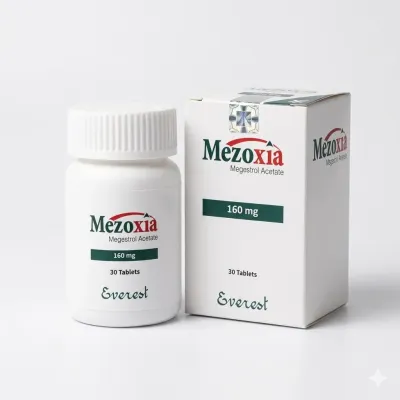
Mezoxia 160 mg Everest
View
Everest
160 mg 30 tablets
2921₴ 3506₴
✅ All products loaded (1)

Contact us

Choose a convenient way to contact

We work daily from 9:00 to 20:00