
Obeticholic Acid – FXR Agonist for Primary Biliary Cholangitis

Obeticholic Acid is an innovative selective agonist of the farnesoid X receptor (FXR), being a synthetic derivative of the natural bile acid (chenodeoxycholic acid). The drug is a first-in-class agent developed for the pathogenetic treatment of rare chronic cholestatic liver diseases. Obeticholic acid activates FXR receptors in the liver and intestines, which act as master regulators of bile acid synthesis, transport, and metabolism, preventing their accumulation and toxic impact on hepatocytes.

The mechanism of action of obeticholic acid involves suppressing the conversion of cholesterol into bile acids by inhibiting a key enzyme and enhancing bile flow from the liver. This reduces the overall concentration of aggressive bile acids in liver tissue, thereby halting inflammatory processes and progressive fibrosis. Additionally, FXR activation contributes to reducing portal pressure and possesses a systemic anti-inflammatory effect. The drug is characterized by high specificity: it binds to the FXR receptor 100 times more effectively than natural analogues. Obeticholic acid therapy allows for a significant reduction in alkaline phosphatase (ALP) and total bilirubin levels—key risk markers in liver diseases—which improves survival prognosis without the need for transplantation.

The drug is taken orally once daily and requires careful dose titration depending on clinical response and tolerability.

Wikipedia page
Obeticholic Acid

Indications

Obeticholic acid is indicated for the treatment of adult patients with the following conditions:

  • Primary Biliary Cholangitis (PBC): treatment in combination with ursodeoxycholic acid (UDCA) in case of inadequate response to monotherapy.
  • PBC Monotherapy: used as the sole agent in patients with intolerance to ursodeoxycholic acid.
  • Cholestatic Lesions: slowing the progression of liver tissue damage in patients at risk of developing cirrhosis and liver failure.

Dosage and administration

The obeticholic acid dosing regimen requires strict monitoring, especially during the first months of therapy, to minimize side effects.

  • Initial Dose: usually 5 mg once daily for the first 3–6 months.
  • Dose Titration: if well tolerated and ALP reduction is insufficient, the dose is increased to the maximum of 10 mg once daily.
  • Administration Method: the tablet is taken orally whole, regardless of food intake, preferably at the same time each day.
  • Adjustment in Cirrhosis: for patients with decompensated cirrhosis (Child-Pugh Class B and C), the dosage is significantly reduced and requires a special monitoring regimen.
  • Interaction with Sorbents: bile acid-binding resins should be taken at least 4 hours before or 4 hours after obeticholic acid.
The use of obeticholic acid is restricted due to the high risk of complications in certain liver pathologies:

  • Decompensated Cirrhosis: complete biliary obstruction or signs of portal hypertension in the decompensated stage.
  • Severe Hepatic Impairment: the drug requires extreme caution and specialized regimens in patients with terminal stages of liver disease.
  • Hypersensitivity: known allergy to obeticholic acid or any excipients in the tablet formulation.
  • Pediatric Use: safety and efficacy in children under 18 years of age have not been established yet.
  • Pregnancy and Lactation: use is permitted only after strict benefit-risk analysis, as clinical data are limited.

The most characteristic and dose-dependent side effect of obeticholic acid is skin itching:

  • Intense Itching (Pruritus): occurs in the majority of patients. It may require antihistamines or temporary dose reduction.
  • GI Disorders: abdominal pain, nausea, bloating, or discomfort in the right hypochondrium.
  • Metabolic Changes: a possible decrease in high-density lipoprotein (HDL or "good" cholesterol) levels in the blood plasma.
  • General Symptoms: fatigue, dizziness, and periodic sensations of palpitations.
  • Hepatobiliary Risks: in rare cases of incorrect dosing, jaundice may progress or ascites may develop.
  • Endocrine System: changes in thyroid function may occur, requiring laboratory monitoring.

Frequently Asked Questions

Obeticholic acid is a modified bile acid and a potent farnesoid X receptor (FXR) agonist. By activating this receptor, the substance suppresses the synthesis of new bile acids in the liver and enhances their removal. This prevents the accumulation of bile in liver tissues (cholestasis), which can cause cell damage and the development of scarring.
The primary indication is primary biliary cholangitis (PBC). The substance is used in combination with ursodeoxycholic acid (UDCA) in patients who have an inadequate response to standard therapy, or as monotherapy in those who cannot tolerate UDCA. It helps slow the progression of the disease toward cirrhosis.
Itching (pruritus) is the most frequent side effect when taking obeticholic acid. This is related to the drug's mechanism of action on receptors. If the itching becomes intolerable, a physician may adjust the dosing frequency, reduce the dose, or prescribe additional medications (such as bile acid sequestrants) to alleviate the condition without stopping the primary therapy.
The tablet is taken orally once daily, with or without food. It is important to swallow it whole. If a patient is also taking bile acid sequestrants (e.g., cholestyramine), obeticholic acid should be taken at least 4 hours before or 4 hours after the sequestrant to ensure the medications do not interfere with each other's absorption.
During treatment, it is crucial to regularly check blood levels of alkaline phosphatase (ALP) and bilirubin—a decrease in these markers indicates treatment efficacy. A physician will also monitor overall liver function (liver enzymes) and lipid levels (cholesterol), as obeticholic acid can impact lipid metabolism.

List of medicines by active substance

-20%
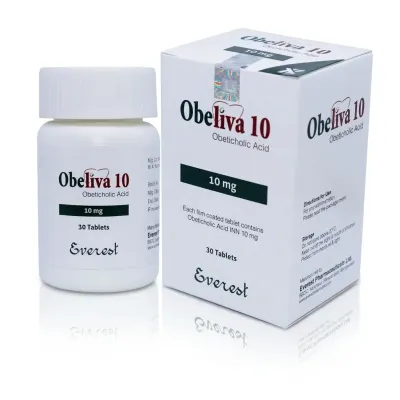
Obeliva 10 10 mg Everest
View
Everest
10 mg 30 tablets
7596₴ 9438₴
-7%
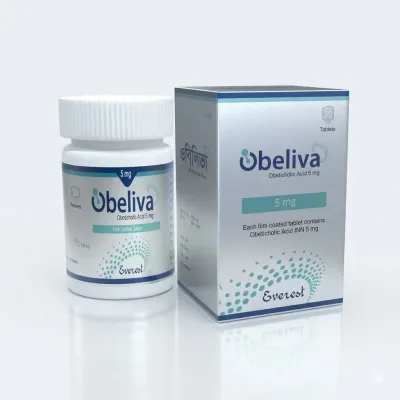
Obeliva 5 5 mg Everest
View
Everest
5 mg 30 tablets
6067₴ 6517₴
✅ All products loaded (2)

Contact us

Choose a convenient way to contact

We work daily from 9:00 to 20:00