Olaparib – PARP Inhibitor Therapy

Olaparib is an innovative anti-tumor agent and the first-in-class inhibitor of poly(ADP-ribose) polymerase (PARP) enzymes. The drug represents a breakthrough in the concept of "synthetic lethality," selectively eliminating cancer cells with DNA repair deficiencies.

The mechanism of action involves blocking PARP1 and PARP2 enzymes, which are critical for repairing single-strand DNA breaks. When olaparib inhibits these enzymes, single-strand breaks are converted into more lethal double-strand breaks during replication. Healthy cells repair such damage through homologous recombination. However, in tumor cells with BRCA1 or BRCA2 mutations, this repair pathway is dysfunctional. Consequently, the accumulation of unrepaired DNA damage leads specifically to the death of cancer cells while sparing healthy tissues to a greater extent.

The medication is available in oral tablet form and is used for both maintenance therapy and the treatment of advanced malignancies.

Wikipedia page
Olaparib

Indications

Olaparib is indicated for the treatment of adult patients with the following types of malignancies:

  • Ovarian Cancer: maintenance treatment of recurrent epithelial ovarian, fallopian tube, or primary peritoneal cancer.
  • Breast Cancer: treatment of HER2-negative metastatic breast cancer with germline BRCA mutations.
  • Pancreatic Cancer: maintenance treatment of metastatic pancreatic adenocarcinoma with germline BRCA mutations.
  • Prostate Cancer: treatment of metastatic castration-resistant prostate cancer (mCRPC) with mutations in DNA repair genes.

Dosage and administration

Olaparib dosing must be strictly followed to maintain therapeutic levels in the blood.

  • Standard Dose: 300 mg (two 150 mg tablets) taken twice daily.
  • Total Daily Dose: 600 mg.
  • Administration: tablets should be swallowed whole, with or without food.
  • Interactions: it is essential to avoid grapefruit juice and Seville oranges (pomelo), as they increase drug concentration to potentially toxic levels.
  • Adjustment: in patients with moderate renal impairment, the dose is reduced to 200 mg twice daily.

The use of olaparib is restricted in the following cases:

  • Hypersensitivity: known allergic reactions to olaparib or its excipients.
  • Pregnancy and Lactation: the drug is teratogenic; breastfeeding is prohibited during therapy and for one month after the final dose.
  • Severe Renal Impairment: creatinine clearance less than 30 mL/min.
  • Severe Hepatic Impairment: safety and efficacy have not been established.
  • Pediatric Use: not indicated for use in children and adolescents.

Olaparib therapy requires regular monitoring of blood counts:

  • Hematologic: anemia (very common), neutropenia, lymphopenia, and leukopenia.
  • Gastrointestinal: nausea (frequent at the start of therapy), vomiting, diarrhea, dyspepsia, and taste distortion (dysgeusia).
  • General: significant fatigue, asthenia, and decreased appetite.
  • Respiratory: risk of pneumonitis (rare; requires immediate discontinuation if suspected).
  • Serious Risks: rare reports of myelodysplastic syndrome (MDS) or acute myeloid leukemia (AML).

Frequently Asked Questions

Olaparib is a PARP (poly-ADP ribose polymerase) enzyme inhibitor. These enzymes help cells repair minor DNA damage. In cancer cells with BRCA gene mutations, repair pathways are already compromised. When olaparib blocks the PARP enzyme, DNA damage accumulates, leading to the death of the cancer cell while healthy cells survive. This process is known as synthetic lethality.
Olaparib is primarily indicated for the treatment of ovarian, breast, pancreatic, and prostate cancers associated with mutations in the BRCA1 or BRCA2 genes. Before starting therapy, patients must undergo genetic testing to confirm the presence of these specific mutations.
Olaparib frequently causes anemia (low red blood cell count), neutropenia, and thrombocytopenia. Patients should undergo a full blood count monthly during the first year of treatment. If symptoms such as severe fatigue, shortness of breath, or paleness occur, seek medical attention immediately, as a blood transfusion or dose adjustment may be necessary.
Olaparib interacts with many drugs via liver enzymes (CYP3A). Certain antibiotics, antifungals, and even St. John's wort can significantly alter the concentration of olaparib in the blood, making it either toxic or ineffective. Grapefruit juice and pomelo should also be avoided.
Olaparib tablets are taken twice daily, with or without food. It is crucial to swallow them whole—do not chew, crush, or dissolve them. If a dose is missed, do not take a double dose; simply wait for the next scheduled time to take the medication.

List of medicines by active substance Olaparib

-7%
Lynparza 150 150 mg AstraZeneca
View
AstraZeneca
150 mg 112 tablets
61529₴ 65924₴
-7%
Olabir 150 mg Aprazer
View
Aprazer
150 mg
24216₴ 25930₴
-11%
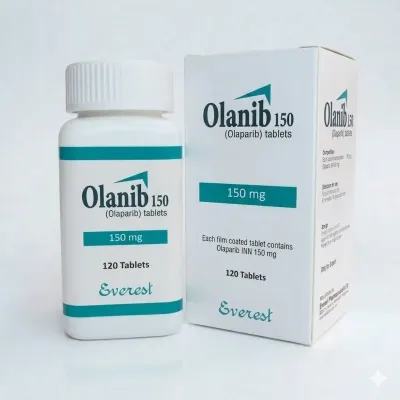
Olanib 150 150 mg Everest
View
Everest
150 mg 120 tablets
37313₴ 41752₴
-12%
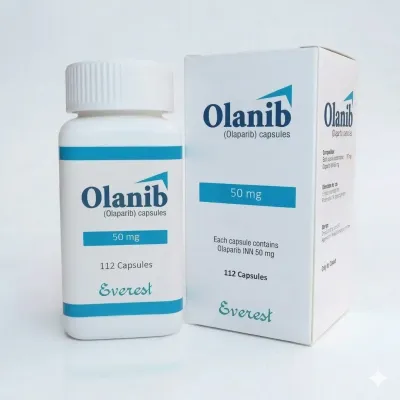
Olanib 50 50 mg Everest
View
Everest
50 mg 112 capsules
5054₴ 5713₴
-8%
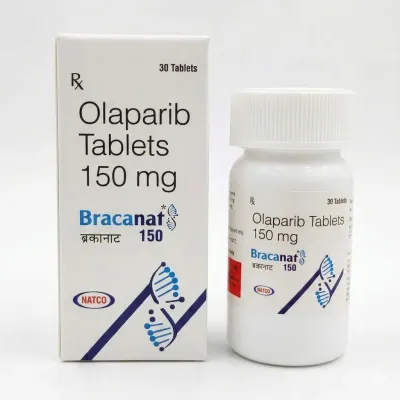
Bracanat 150 mg Natco
View
Natco
150 mg 30 tablets
6856₴ 7471₴
✅ All products loaded (5)

Contact us

Choose a convenient way to contact

We work daily from 9:00 to 20:00