
Regorafenib – Targeted Therapy

Regorafenib is a multi-target oral protein kinase inhibitor designed for the targeted therapy of advanced solid tumors. The drug blocks a wide range of enzymes involved in tumor survival and the formation of its microenvironment.

The mechanism of action of regorafenib involves the inhibition of various tyrosine kinases responsible for angiogenesis (VEGFR-1, -2, -3, TIE2), oncogenesis (KIT, RET, RAF-1, BRAF), and tumor microenvironment maintenance (PDGFR, FGFR). Due to this comprehensive approach, the drug simultaneously suppresses the growth of blood vessels that nourish the tumor, blocks cell division signals, and hinders metastasis. This makes it effective even in cases where standard chemotherapy has failed.

The drug is administered orally in tablet form. Regorafenib has demonstrated clinical significance in extending the survival of patients with late-stage colorectal cancer and gastrointestinal stromal tumors.

Wikipedia page
Regorafenib

Indications

Regorafenib is used to treat adult patients with the following conditions:

  • Metastatic Colorectal Cancer (mCRC): in patients previously treated with available therapies (fluoropyrimidines, oxaliplatin, irinotecan, anti-VEGF, and anti-EGFR agents).
  • Gastrointestinal Stromal Tumors (GIST): in cases of progression or intolerance to prior treatment with imatinib and sunitinib.
  • Hepatocellular Carcinoma (HCC): in patients who have previously been treated with sorafenib.

Dosage and administration

The regorafenib dosing regimen is based on a cyclic schedule under strict oncological supervision.

  • Standard Dose: 160 mg (four 40 mg tablets) once daily.
  • Cycling: the drug is taken for 3 weeks (21 days), followed by a 1-week (7-day) break.
  • Administration Rules: tablets should be taken at the same time each day after a light, low-fat meal.
  • Liver Monitoring: liver function tests are required every two weeks during the first two months of treatment.
  • Dose Adjustment: if toxicity develops (e.g., hand-foot skin reaction), the physician may reduce the dose to 120 mg or 80 mg.

The use of regorafenib is restricted in the following situations:

  • Hypersensitivity: allergy to regorafenib or any excipients.
  • Severe Hepatic Impairment: Child-Pugh Class C (due to lack of data).
  • Severe Renal Impairment: end-stage renal disease.
  • Bleeding: presence of active, severe hemorrhage.
  • Pregnancy and Lactation: the drug is fetotoxic; breastfeeding is prohibited.
  • Pediatric Use: efficacy and safety in patients under 18 years of age have not been established.

Regorafenib frequently causes specific reactions that require timely management:

  • Hand-Foot Skin Reaction (HFSR): redness, swelling, and pain on the palms and soles.
  • Hypertension: significant increase in blood pressure.
  • Gastrointestinal: diarrhea (very common), nausea, decreased appetite, and stomatitis.
  • Hepatotoxicity: liver damage manifested by changes in laboratory parameters.
  • General Symptoms: severe weakness (asthenia), hoarseness (dysphonia), and weight loss.

Frequently Asked Questions

Regorafenib is a potent multikinase inhibitor that targets a wide range of enzymes involved in tumor growth. It simultaneously inhibits angiogenesis (vessel formation), oncogenesis (cancer cell division), and the tumor microenvironment. By blocking VEGFR, FGFR, PDGFR, KIT, and RET receptors, the drug deprives the tumor of the resources it needs to survive.
Regorafenib is typically used in advanced stages of disease when other treatments have stopped working. Its primary indications include metastatic colorectal cancer, gastrointestinal stromal tumors (GIST), and hepatocellular carcinoma (liver cancer) in patients previously treated with sorafenib.
The absorption of regorafenib is directly affected by the fat content of food. A high-fat meal significantly increases the concentration of the drug in the blood, which can lead to a sharp increase in side effects. It is recommended to take the tablets at the same time every day after a low-fat breakfast or lunch (less than 30% fat content).
This is a common side effect characterized by redness, swelling, and pain on the palms of the hands and soles of the feet. Patients are advised to use moisturizing creams, avoid hot water, wear comfortable shoes, and minimize skin friction. At the first sign of symptoms, it is crucial to inform a doctor to consider dose adjustment.
Regorafenib can cause severe liver damage. During the first two months of treatment, liver function tests (ALT, AST, bilirubin) must be monitored every two weeks, followed by monthly checks. Patients should seek immediate medical attention if they develop jaundice, dark urine, or pain in the upper right abdomen.

List of medicines by active substance

-5%
Stivarga 40 mg Bayer
View
Bayer
40 mg 28 tablets
48341₴ 51002₴
-25%
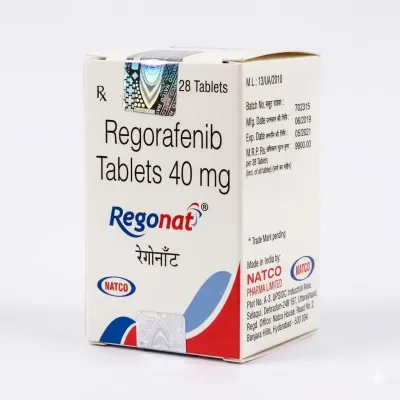
Regonat 40 mg Natco
View
Natco
40 mg
5854₴ 7761₴
✅ All products loaded (2)

Contact us

Choose a convenient way to contact

We work daily from 9:00 to 20:00