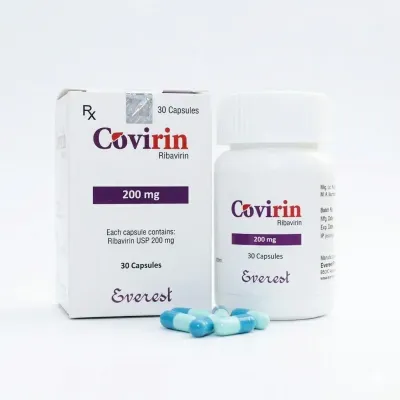
Ribavirin – Broad-Spectrum Antiviral Therapy
Known as original brand(s)
Copegus, Rebetol
Ribavirin is a potent antiviral agent from the group of synthetic nucleoside analogues (guanosine), possessing a broad spectrum of activity against various RNA and DNA viruses. For decades, the drug has remained a key component in the treatment of severe viral infections, especially as part of combination therapy. Ribavirin does not destroy the virus directly but creates conditions under which the pathogen loses the ability to reproduce effectively within human cells.
The mechanism of action of ribavirin is complex and involves several pathways of influence on viral replication. Upon entering the cell, the drug undergoes phosphorylation, transforming into an active form that inhibits the enzyme inosine monophosphate dehydrogenase. This leads to a severe deficit of intracellular guanosine triphosphate, which is necessary for viral RNA synthesis. Additionally, ribavirin incorporates into the viral genome, causing lethal mutations, and inhibits the capping process of viral mRNA, which blocks the translation of viral proteins. An important feature is its ability to modulate the immune response, switching it to fight intracellular pathogens. The drug has a long half-life and can accumulate in red blood cells, which defines the specifics of its safety profile.
The drug is administered orally in the form of capsules or tablets, and in severe cases, via inhalation or intravenously.

Indications
Ribavirin is used in clinical practice for the therapy of the following viral conditions:
- Chronic Hepatitis C: treatment in combination with interferons or direct-acting antivirals (DAAs) for all viral genotypes.
- Respiratory Syncytial Virus (RSV): severe lower respiratory tract infections in children (primarily administered via inhalation).
- Hemorrhagic Fevers: therapy for severe conditions such as Lassa fever or hemorrhagic fever with renal syndrome (HFRS).
- Severe Influenza: use in special cases when standard antivirals are ineffective in critically ill patients.
Dosage and administration
The dosing regimen for ribavirin is selected individually based on the patient's body weight and the treatment protocol for the underlying disease.
- Standard Dose for Hepatitis C: usually ranges from 800 mg to 1200 mg per day, divided into two doses (morning and evening).
- Weight Dependency: patients weighing less than 75 kg are prescribed 1000 mg, and those over 75 kg are prescribed 1200 mg per day.
- Administration Method: the drug is taken orally with food, which significantly improves its absorption into the systemic circulation. Capsules should not be opened.
- Dose Adjustment: if hemoglobin levels drop or renal function is impaired, the dose must be immediately reduced or treatment temporarily suspended.
- Course Duration: varies from 12 to 48 weeks depending on the combination therapy regimen and treatment response.