Semaglutide – GLP-1 Receptor Agonist for Diabetes and Weight Loss

Semaglutide is an innovative long-acting selective glucagon-like peptide-1 (GLP-1) receptor agonist. As an analogue of the natural human incretin hormone, the drug mimics its biological functions, providing potent regulation of glucose metabolism and energy balance. Semaglutide has become a breakthrough in modern endocrinology due to its ability not only to effectively control diabetes but also to significantly reduce body weight and cardiovascular risks.

The mechanism of action of semaglutide is multifaceted. The drug stimulates glucose-dependent insulin secretion by the pancreas and simultaneously suppresses excessive glucagon secretion, leading to a steady reduction in blood sugar levels without the risk of severe hypoglycemia. Furthermore, semaglutide acts on receptors in the hypothalamus, enhancing the feeling of satiety and suppressing hunger signals, while also slowing gastric emptying. This leads to a significant reduction in calorie intake. Long-term use of the drug contributes to improved lipid profiles, lower blood pressure, and reduced systemic inflammation. A specific modification of the molecule ensures its resistance to enzymatic degradation, allowing for stable plasma concentrations with infrequent administration.

The drug is available in forms for weekly subcutaneous injections or daily oral administration, tailored to individual needs.

Wikipedia page
Semaglutide

Indications

Semaglutide is indicated for adult patients for the long-term treatment of the following metabolic conditions:

  • Type 2 Diabetes Mellitus: improvement of glycemic control as monotherapy or in combination with metformin and other hypoglycemic agents.
  • Obesity and Overweight: weight management in patients with a BMI ≥30 kg/m² or ≥27 kg/m² in the presence of at least one weight-related comorbidity (hypertension, dyslipidemia).
  • Cardiovascular Protection: reduction of the risk of major adverse cardiovascular events (stroke, myocardial infarction) in patients with type 2 diabetes and established cardiovascular disease.
  • Complication Prevention: slowing the progression of diabetic nephropathy and maintaining metabolic health in high-risk patients.

Dosage and administration

The semaglutide dosing regimen requires a gradual dose escalation to ensure body adaptation and minimize side effects.

  • Injectable Form: the starting dose is 0.25 mg once weekly. After 4 weeks, the dose is increased to 0.5 mg, and if necessary, up to 1.0 mg or 2.0 mg weekly.
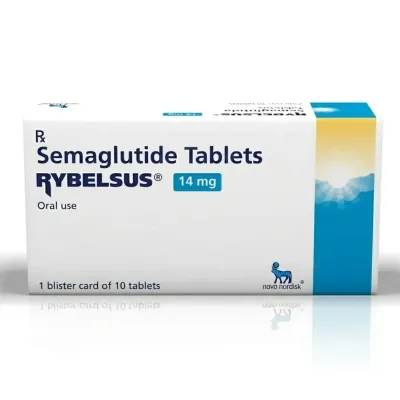
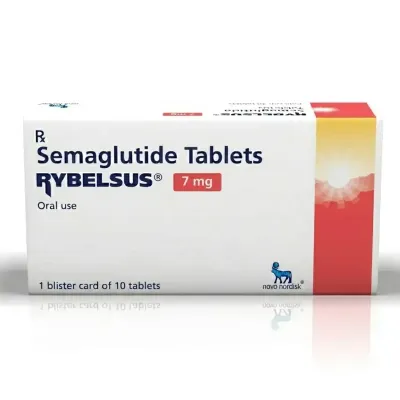
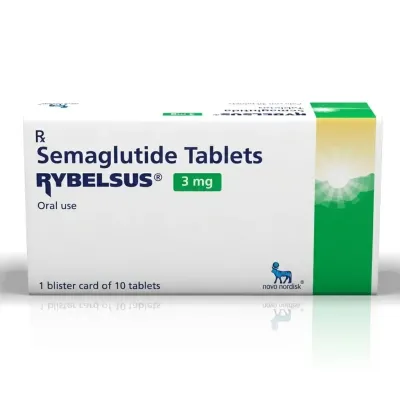
  • Oral Form: the starting dose is 3 mg daily, with subsequent increases to 7 mg or 14 mg daily every 30 days.
  • Administration Method: injections are performed subcutaneously in the abdomen, thigh, or upper arm. Tablets must be taken strictly on an empty stomach 30 minutes before food, with a small amount of water.
  • Missed Dose: if an injection is missed, it should be administered within 5 days. If a tablet is missed, the next dose is taken at the usual time the following day.
  • Special Notes: dose adjustment in elderly patients or those with renal impairment is usually not required.

The use of semaglutide is restricted in the presence of specific risks related to the endocrine system:

  • Medullary Thyroid Carcinoma: personal or family history of the disease (MTC) is a strict contraindication.
  • MEN 2 Syndrome: Multiple Endocrine Neoplasia syndrome type 2.
  • Pregnancy and Lactation: the drug is contraindicated; women are advised to discontinue use 2 months before planned pregnancy.
  • Pancreatitis: a history of acute or chronic pancreatitis requires extreme caution or avoidance of therapy.
  • Hypersensitivity: severe allergic reactions to semaglutide or other components of the formulation.

The most characteristic side effects of semaglutide are related to its effect on digestive speed:

  • Gastrointestinal Tract: nausea, vomiting, diarrhea, or constipation. These events are usually most pronounced during the dose titration period and gradually subside.
  • General Weakness: fatigue, dizziness, or changes in taste sensation at the start of the course.
  • Eye Complications: risk of diabetic retinopathy progression in patients with type 2 diabetes during rapid improvement in glucose control.
  • Digestive Organs: increased risk of gallstones (cholelithiasis) and rare cases of pancreatitis.
  • Local Reactions: itching or redness at the injection site (for the parenteral form).
  • Hypoglycemia: the risk of critical blood sugar reduction is possible only when taken concurrently with insulin or sulfonylureas.

Frequently Asked Questions

Semaglutide is a selective GLP-1 (glucagon-like peptide-1) receptor agonist. It acts as an analogue to a natural hormone released in response to food intake. The substance stimulates insulin secretion only when blood sugar levels are high, slows gastric emptying, and targets appetite centers in the brain to increase feelings of fullness. This dual action enables effective weight loss and stable glucose maintenance.
Semaglutide is unique because it is available both as a once-weekly injection and as a daily oral tablet. Injections provide a steady concentration of the substance throughout the week, while tablets require strict adherence to administration rules (taken on an empty stomach, 30 minutes before eating, with a minimal amount of water). The choice of format depends on patient preference and physician guidance, though both forms offer high therapeutic efficacy.
Semaglutide has proven cardioprotective effects. Clinical trials have confirmed that it significantly reduces the risk of major adverse cardiovascular events (MACE), such as myocardial infarction and stroke, in patients with type 2 diabetes and pre-existing heart disease. This is attributed not only to weight loss and glucose control but also to its direct positive impact on vascular health and systemic inflammation levels.
Nausea and other GI complaints are most common during the initial phase of treatment. To mitigate these effects, physicians use a gradual dose escalation (titration). It is recommended to eat slowly, stop eating at the first sign of fullness, and avoid greasy or fried foods. Most patients find that their bodies adapt to the substance within a few weeks of starting or increasing the dose.
Like other GLP-1 receptor agonists, semaglutide has been associated with a rare risk of acute pancreatitis. Patients should be aware that if they experience severe, persistent abdominal pain that may radiate to the back, they must stop the medication immediately and seek emergency medical care. Additionally, the drug is not recommended for individuals with a personal or family history of medullary thyroid carcinoma.

List of medicines by active substance

-6%
Ozempic 1 1 mg Novo Nordisk
View
Novo Nordisk
1 mg 1 pen
8629₴ 9213₴
-11%
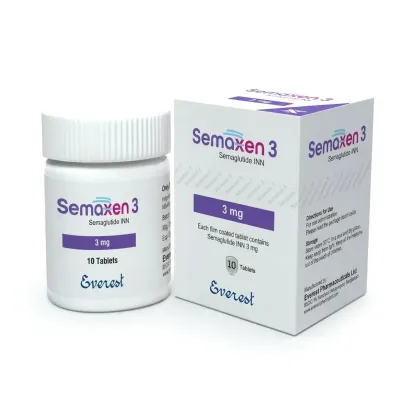
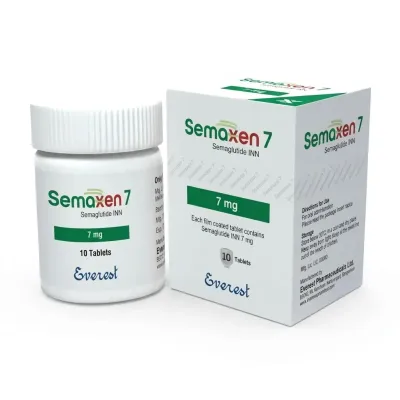
Semaxen 7 7 mg Everest
View
Everest
7 mg 10 tablets
15281₴ 17079₴
-10%
Semaxen 3 3 mg Everest
View
Everest
3 mg 10 tablets
8539₴ 9438₴
-8%
Rybelsus 14 14 mg Novo Nordisk
View
Novo Nordisk
14 mg 10 tablets
3056₴ 3326₴
-13%
Rybelsus 7 7 mg Novo Nordisk
View
Novo Nordisk
7 mg 10 tablets
2921₴ 3371₴
-11%
Rybelsus 3 3 mg Novo Nordisk
View
Novo Nordisk
3 mg 10 tablets
2652₴ 2966₴
✅ All products loaded (6)

Contact us

Choose a convenient way to contact

We work daily from 9:00 to 20:00