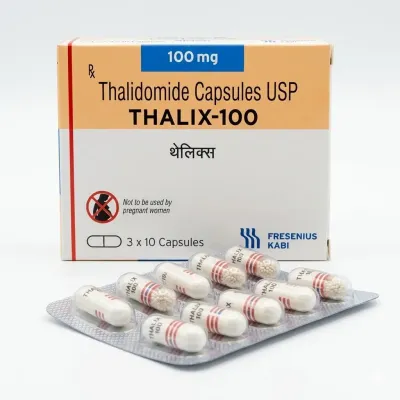
Thalidomide – Targeted Therapy
Known as original brand(s)
Thalomid
Thalidomide is an immunomodulatory agent with potent antitumor, antiangiogenic, and anti-inflammatory properties. Despite its complex historical reputation, the drug is now a standard of care for several severe oncological and immunological conditions.
The mechanism of action of thalidomide is multifaceted. It inhibits the production of tumor necrosis factor-alpha (TNF-α), alters cytokine balance, and blocks angiogenesis (the formation of new blood vessels), which deprives the tumor of nutrients. In the treatment of multiple myeloma, thalidomide directly inhibits the growth of cancer cells and disrupts their interaction with the bone marrow microenvironment. Furthermore, it stimulates T-lymphocytes and natural killer (NK) cells, enhancing the body's own immune response against the tumor.
The drug is administered orally in capsule form. Due to the high risk of serious adverse effects, its prescription is strictly controlled through specialized risk management programs.

Indications
Thalidomide is indicated for the treatment of adult patients in the following clinical cases:
- Multiple Myeloma: in combination with dexamethasone or melphalan for patients with newly diagnosed disease.
- Erythema Nodosum Leprosum (ENL): for the acute treatment of moderate to severe cutaneous manifestations and as maintenance therapy to prevent relapse.
Dosage and administration
Thalidomide dosing is tailored individually based on the clinical indication and patient tolerance.
- For Multiple Myeloma: the standard dose is 200 mg once daily, taken orally.
- For ENL: the starting dose ranges from 100 to 300 mg daily, followed by a gradual reduction to a maintenance dose.
- Administration Rules: the drug is recommended to be taken at bedtime to minimize the impact of its sedative effects. Capsules should be swallowed whole.
- Monitoring: regular monitoring of peripheral nerve function and blood coagulation parameters is mandatory during treatment.