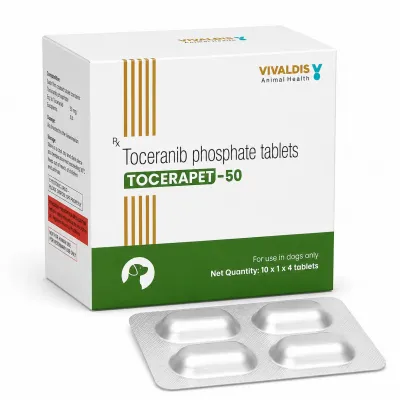
Toceranib Phosphate: Veterinary Targeted Cancer Therapy Guide

Known as original brand(s)

Palladia

Toceranib Phosphate is a veterinary antineoplastic agent belonging to the class of receptor tyrosine kinase (RTK) inhibitors. It is the first targeted cancer therapeutic specifically developed and approved for use in veterinary medicine. It is widely used for the treatment of various malignant neoplasms in dogs and cats.

The mechanism of action of toceranib involves selective inhibition of receptor tyrosine kinases, particularly stem cell factor receptor (c-KIT), vascular endothelial growth factor receptors (VEGFR-2), and platelet-derived growth factor receptors (PDGFR-beta). The drug exhibits dual therapeutic action: direct antiproliferative activity against tumor cells and an anti-angiogenic effect that inhibits the formation of new blood vessels supplying the tumor.

Clinical use of toceranib phosphate helps control tumor growth, delay disease progression, reduce the risk of metastasis, and improve the overall quality of life in veterinary cancer patients.

Wikipedia page
Toceranib Phosphate

Indications

Toceranib phosphate is indicated in veterinary oncology for the following conditions:

  • Mast Cell Tumors in Dogs: Treatment of Patnaik grade II or III, recurrent or unresectable cutaneous mast cell tumors with or without regional lymph node involvement.
  • Other Solid Tumors (Off-label): Neuroendocrine tumors, anal sac apocrine gland carcinomas, thyroid carcinomas, gastrointestinal stromal tumors (GIST), and inflammatory mammary carcinomas.
  • Feline Cancer Therapy: Off-label use in cats for mast cell tumors and squamous cell carcinoma under veterinary oncologist supervision.

Dosage and administration

Toceranib phosphate is administered orally. The dosing schedule must be individually determined by a licensed veterinarian:

  • Recommended Dosage: The initial recommended dose is 3.25 mg/kg body weight, administered orally every other day (EOD). Lower target doses of 2.4–2.9 mg/kg EOD are frequently used in clinical practice to reduce toxicity.
  • Administration Method: Tablets must be administered whole and should not be split or crushed. Can be given with or without food (if vomiting occurs on an empty stomach, administer with food).
  • Dose Adjustments: If adverse events occur, temporary treatment interruption is required until clinical signs resolve, followed by a dose reduction of 0.5 mg/kg upon resuming therapy.
  • Safety Precautions: Caregivers must wear protective gloves when handling tablets or contacting the pet's body fluids (urine, feces, vomit). Pregnant women must strictly avoid handling the medication.
Toceranib phosphate is contraindicated in the following cases:

  • Pregnancy and Lactation: Do not use in pregnant or lactating bitches, or in dogs intended for breeding.
  • Age and Weight: Dogs less than 24 months of age or weighing less than 5 kg (11 lbs).
  • Surgical Procedures: Discontinue use at least 3 days prior to and 2 weeks following elective surgery due to impaired wound healing and bleeding risks.
  • Hypersensitivity: Known hypersensitivity to toceranib or any of the inactive ingredients.
  • Precautions: Use with extreme caution in animals with pre-existing hepatic or renal impairment, bone marrow suppression, severe debilitation, or active gastrointestinal bleeding.

The following adverse reactions may occur during treatment with toceranib phosphate:

  • Gastrointestinal System: Diarrhea (including hemorrhagic diarrhea), vomiting, nausea, anorexia (loss of appetite), melena, and rarely gastrointestinal ulceration or perforation.
  • Systemic Symptoms: Lethargy, weakness, weight loss, and reduced activity levels.
  • Cardiovascular and Renal Systems: Hypertension, proteinuria (protein-losing nephropathy), and peripheral edema.
  • Hematologic System: Neutropenia, anemia, and thrombocytopenia.
  • Musculoskeletal System: Lameness, muscle pain, and joint stiffness.
  • Dermatological Reactions: Nasal depigmentation, changes in coat color, alopecia, and pruritus.

Frequently Asked Questions

Toceranib phosphate is an oral, multi-targeted receptor tyrosine kinase inhibitor engineered specifically for veterinary oncology (widely known by the brand name Palladia). It selectively inhibits key signaling enzymes that drive tumor growth and angiogenesis, including KIT receptors, vascular endothelial growth factor receptors (VEGFR), and platelet-derived growth factor receptors (PDGFR). By simultaneously halting malignant cell proliferation and cutting off the tumor's blood supply, toceranib induces tumor regression or halts disease progression.
The primary approved indication for toceranib phosphate in veterinary medicine is the treatment of recurrent, locally advanced, or metastatic cutaneous mast cell tumors in dogs, including those with mutations in the KIT gene. Additionally, due to its broad anti-angiogenic activity, the drug is frequently utilized in veterinary oncology protocols for off-label management of various other canine and feline malignancies, such as soft tissue sarcomas, apocrine gland anal sac adenocarcinoma, oral melanoma, and nasal carcinomas.
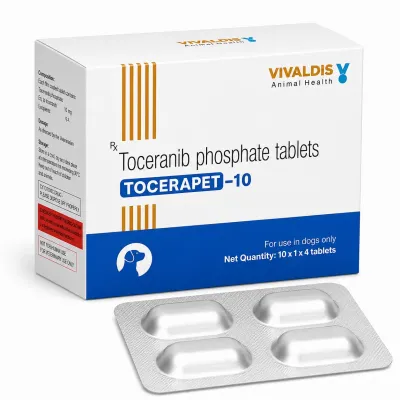
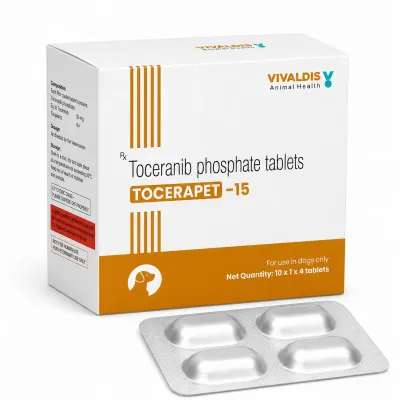
Toceranib is supplied as coated tablets in distinct strengths (typically 10 mg, 50 mg, and 15 mg). The medication is administered orally following a unique intermittent schedule: the standard target dosage is approximately 3.25 mg per kilogram of body weight given every other day (e.g., Monday, Wednesday, Friday). This alternate-day regimen maintains clinical anti-tumor efficacy while mitigating cumulative systemic toxicity. Tablets must be swallowed whole—never split, crushed, or chewed—and should be administered with or immediately after a meal to minimize gastrointestinal irritation.
The gastrointestinal tract is a primary target for adverse events during toceranib therapy in dogs. The most common manifestations include anorexia, weight loss, vomiting, diarrhea (occasionally hemorrhagic), and stomatitis. Pet owners must monitor their animals closely. If signs of reduced appetite, lethargy, or vomiting occur, administration must be temporarily withheld, and a veterinarian should be contacted immediately to provide supportive medical management, such as gastrointestinal protectants, antiemetics, and fluid therapy.
Toceranib therapy mandates consistent laboratory surveillance to ensure patient safety and prevent severe systemic toxicity. Baseline evaluations followed by frequent monitoring (typically every 2 to 4 weeks during the initial treatment phase, and monthly thereafter) are essential. This includes a complete blood count to monitor for myelosuppression, neutropenia, and thrombocytopenia, alongside serum biochemistry profiles to assess hepatic and renal parameters. In addition, routine blood pressure measurements are a critical safety requirement, as toceranib can cause or exacerbate systemic hypertension.

List of medicines by active substance

✅ All products loaded (3)
Unifarm

Unifarm app

Safari → Share → Add to Home Screen Firefox: menu ⋮ → Install or Add to Home screen. If missing, open the site in Chrome. Chrome: menu ⋮ → Install app or Add to Home screen.

Contact us

Choose a convenient way to contact

We work daily from 9:00 to 20:00