Bevacizumab – Anti-VEGF Targeted Therapy
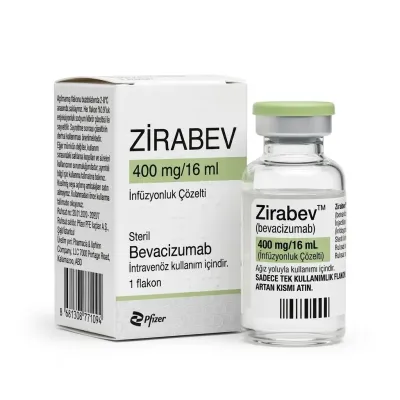
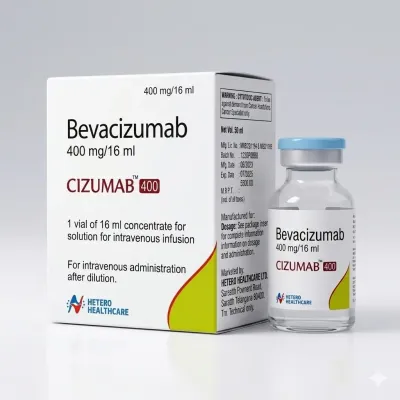
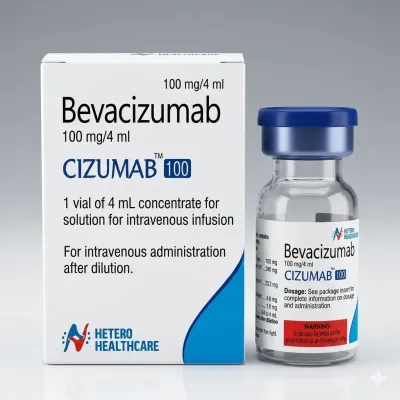
Known as original brand(s)
Avastin
Bevacizumab is an innovative recombinant humanized monoclonal antibody that has produced a fundamental shift in the treatment strategy for solid tumors. The drug is a first-in-class angiogenesis inhibitor, whose action is directed not at the tumor cell itself, but at its life-support system. Bevacizumab specifically binds to the biologically active vascular endothelial growth factor (VEGF), which the tumor secretes to stimulate the growth of new blood vessels.
The mechanism of action of bevacizumab is based on the concept of tumor "starvation." By blocking the interaction of VEGF with its receptors on the surface of endothelial cells, the drug prevents neoangiogenesis—the process of forming the new vascular network necessary for metastasis and progressive tumor growth. This leads to the regression of existing tumor vessels, normalization of the remaining microvascular network (which improves the delivery of concomitant chemotherapy), and inhibition of the formation of new vessels. As a result, the tumor is deprived of oxygen and nutrient supply, which puts it in a dormant state or leads to a reduction in its size.
The drug is used both in monotherapy and in combination with cytotoxic agents, administered strictly intravenously in a specialized medical facility.
Indications
Bevacizumab is indicated for the treatment of a wide spectrum of malignant neoplasms in adult patients:
- Metastatic Colorectal Cancer: as first-line or second-line therapy in combination with fluoropyrimidine-based chemotherapy.
- Advanced Lung Cancer: first-line therapy for non-small cell lung cancer (NSCLC), other than predominantly squamous cell histology, in combination with platinum-based drugs.
- Breast Cancer: first-line therapy for metastatic disease in combination with paclitaxel or capecitabine.
- Renal Cell Carcinoma: treatment of advanced or metastatic renal cell cancer in combination with interferon alfa-2a.
- Glioblastoma: monotherapy for patients with relapsed disease following prior standard therapy.
- Ovarian Cancer: primary therapy for advanced ovarian, fallopian tube, or primary peritoneal cancer in combination with carboplatin.
Dosage and administration
The dosage regimen for bevacizumab is established by an oncologist based on the diagnosis, the patient's body weight, and the selected combination treatment schedule.
- Standard Doses: vary from 5 mg/kg to 15 mg/kg of body weight, administered once every 2 or 3 weeks depending on the indication.
- Administration Method: exclusively by intravenous drip infusion. The first infusion should last 90 minutes. If well tolerated, the second is reduced to 60 minutes, and all subsequent ones to 30 minutes.
- Duration: therapy is recommended to continue until progression of the underlying disease or the development of unacceptable toxicity.
- Safety Monitoring: blood pressure monitoring and urinalysis for protein (proteinuria) are required before each administration.
- Special Instructions: the drug must not be administered as a bolus or intravenous push; mixing with dextrose (glucose) solutions is prohibited.