
Bleomycin – Antitumor Chemotherapy

Bleomycin is a cytotoxic antibiotic derived from the bacterium Streptomyces verticillus, extensively used in clinical oncology. A unique characteristic of this drug, compared to most other chemotherapeutic agents, is its minimal bone marrow suppressive effect.

The mechanism of action involves DNA damage through the generation of free radicals. Bleomycin binds to the DNA molecule and causes single- and double-strand breaks, which inhibits cell division and leads to cell death. The effect is most prominent during the G2 and M phases of the cell cycle. Bleomycin also possesses the ability to cleave RNA. The drug is particularly active in tissues with low levels of the enzyme bleomycin hydrolase, such as the lungs and skin.

It is administered via intravenous, intramuscular, or intracavitary routes, often as part of multi-drug combination regimens.

Wikipedia page
Bleomycin

Indications

Bleomycin is indicated for the treatment of various types of malignancies:

  • Lymphomas: Hodgkin lymphoma and non-Hodgkin lymphomas.
  • Germ Cell Tumors: testicular cancer and ovarian tumors.
  • Squamous Cell Carcinomas: cancers of the head and neck, skin, penis, and cervix.
  • Malignant Pleural Effusion: administered directly into the pleural cavity as a sclerosing agent to prevent fluid buildup.

Dosage and administration

Bleomycin dosing requires strict monitoring of the total lifetime cumulative dose due to the risk of pulmonary toxicity.

  • Standard Regimen: typically 10–20 units/m² given once or twice weekly.
  • Cumulative Limit: the total lifetime dose should generally not exceed 400 units to avoid irreversible pulmonary fibrosis.
  • Routes of Administration: IV (bolus or infusion), IM, subcutaneous, or intrapleural.
  • Renal Impairment: dose reduction is necessary for patients with impaired kidney function as the drug is primarily excreted renally.
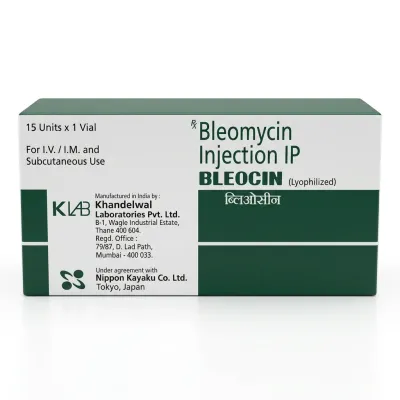

The use of bleomycin is restricted in the following cases:

  • Hypersensitivity: known allergic reactions to bleomycin.
  • Pulmonary Disease: acute respiratory infections or severely impaired lung function.
  • Pregnancy and Lactation: potential for fetal harm; breastfeeding is prohibited during therapy.
  • Age Factors: extreme caution is required in elderly patients (over 70 years) due to increased susceptibility to lung damage.

Bleomycin therapy necessitates regular pulmonary function tests (PFTs):

  • Pulmonary Toxicity: pneumonitis progressing to pulmonary fibrosis (the most serious adverse effect).
  • Dermatologic: hyperpigmentation (including "flagellate" dermatitis), hyperkeratosis, and alopecia.
  • Pyrexia: fever and chills often occur within a few hours after administration.
  • Mucositis: stomatitis and ulcerations of the oral mucosa.
  • Anaphylactoid Reactions: can occur immediately, particularly in patients with lymphoma.

Frequently Asked Questions

Bleomycin is a cytotoxic antibiotic derived from the fungus Streptomyces verticillus. It fights cancer by causing direct damage and breaks in the DNA strands of tumor cells, rendering them unable to replicate and leading to cell death. Unlike many other chemotherapeutic agents, it has minimal effect on bone marrow suppression.
Bleomycin is a cornerstone in the treatment of germ cell tumors (testicular and ovarian cancers), Hodgkin lymphoma, and various types of squamous cell carcinomas (head, neck, penis, and cervix). It is also used as a sclerosing agent to treat malignant pleural effusion.
Pulmonary toxicity is the most serious side effect of bleomycin, potentially leading to pneumonitis or pulmonary fibrosis. Patients must undergo regular chest X-rays and pulmonary function tests. Immediate medical attention is required if shortness of breath or a dry cough develops, as the risk of lung damage increases with the cumulative dose of the medication.
Bleomycin often causes dermatological reactions such as hyperpigmentation (skin darkening), redness, itching, or the appearance of linear streaks on the body (flagellate dermatitis). Thickening of the skin over joints and nail changes may also occur. These symptoms arise because the skin lacks the enzyme necessary to break down bleomycin.
Yes, patients who have ever received bleomycin are at an increased risk of lung injury if they undergo general anesthesia involving high concentrations of oxygen. If surgery is required at any point in the future, it is vital to inform the anesthesiologist that you have been treated with this active substance.

List of medicines by active substance Bleomycin

-12%
Bleocin 15 mg Khandelwal
View
Khandelwal
15 mg 1 vial
967₴ 1099₴
✅ All products loaded (1)

Contact us

Choose a convenient way to contact

We work daily from 9:00 to 20:00