Cabozantinib – Targeted Cancer Therapy

Cabozantinib is a potent multi-targeted tyrosine kinase inhibitor designed for the therapy of aggressive malignancies. The drug blocks multiple signaling pathways simultaneously, making it effective against tumors that have developed resistance to other treatments.

The mechanism of action involves the inhibition of several receptor tyrosine kinases, including MET, VEGFR (vascular endothelial growth factor receptors), and AXL. These receptors play a pivotal role in tumor growth, angiogenesis (the formation of new blood vessels to nourish the tumor), and metastatic progression. By targeting MET and AXL, cabozantinib not only slows cancer cell division but also helps overcome resistance to VEGFR inhibitors, which is a common challenge during therapy. This results in significant suppression of tumor viability and reduction of its blood supply.

The medication is administered orally and provides systemic disease control in patients with advanced-stage cancers.

Wikipedia page
Cabozantinib

Indications

Cabozantinib is indicated for the treatment of adult patients with the following conditions:

  • Renal Cell Carcinoma (RCC): treatment of advanced RCC both as a first-line therapy and in patients who have received prior VEGF-targeted therapy.
  • Hepatocellular Carcinoma (HCC): treatment of liver cancer in patients previously treated with sorafenib.
  • Medullary Thyroid Cancer (MTC): treatment of progressive, metastatic thyroid cancer.

Dosage and administration

Cabozantinib dosing varies by indication and must be closely monitored by a healthcare professional.

  • Standard Dose for RCC and HCC: 60 mg taken once daily.
  • Standard Dose for MTC: 140 mg taken once daily (usually in capsule form).
  • Administration Rules: must be taken on an empty stomach (no food for at least 2 hours before and 1 hour after taking the dose).
  • Dietary Restrictions: avoid grapefruit and grapefruit juice, as they can increase drug levels to toxic amounts.
  • Dose Modification: if severe adverse reactions occur, the dose may be reduced to 40 mg or 20 mg.
The use of cabozantinib is restricted in the following cases:

  • Hypersensitivity: known allergic reactions to the active substance or excipients.
  • Severe Hepatic Impairment: use is generally not recommended.
  • Pregnancy and Lactation: the drug is highly teratogenic; breastfeeding is prohibited during treatment.
  • Hemorrhage Risk: history of recent severe bleeding.
  • Surgery: treatment should be stopped at least 28 days prior to scheduled surgery to avoid healing complications.

Cabozantinib therapy is frequently associated with systemic adverse reactions:

  • Gastrointestinal: diarrhea, nausea, vomiting, stomatitis, and decreased appetite.
  • Dermatologic: hand-foot syndrome (palmar-plantar erythrodysesthesia), skin rash.
  • Cardiovascular: hypertension (frequently requires antihypertensive medication).
  • General: fatigue, weight loss, and changes in hair color.
  • Serious Risks: gastrointestinal perforations, fistulas, thromboembolic events, and severe hemorrhage.

Frequently Asked Questions

Cabozantinib is a potent multikinase inhibitor. Unlike many other drugs, it targets several pathways simultaneously: VEGF receptors (responsible for tumor blood supply), as well as MET and AXL (responsible for growth and metastasis). This triple inhibition helps overcome tumor resistance to other therapies.
Cabozantinib is approved for the treatment of advanced renal cell carcinoma (kidney cancer), hepatocellular carcinoma (liver cancer) in patients previously treated with sorafenib, and specific types of medullary thyroid cancer.
Increased blood pressure (hypertension) is one of the most common side effects of cabozantinib. Patients should monitor their blood pressure daily. If readings are consistently elevated, a physician may prescribe antihypertensive medication or temporarily adjust the dose of cabozantinib.
Cabozantinib must be taken on an empty stomach. Patients are advised not to eat for at least 2 hours before and 1 hour after taking the tablet. This is crucial for proper absorption of the substance and to avoid excessive toxicity.
Because cabozantinib inhibits blood vessel growth, it can significantly delay wound healing and increase the risk of post-surgical complications. The medication should be discontinued at least 28 days prior to any elective surgery or dental procedure and resumed only after the wound has completely healed.

List of medicines by active substance Cabozantinib

-6%
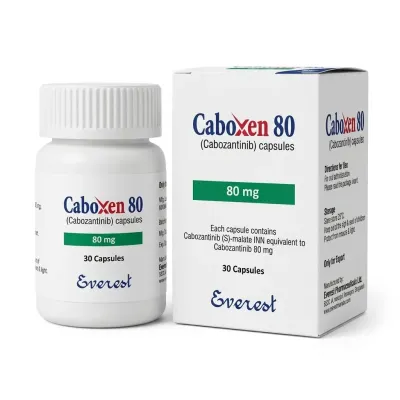
Caboxen 80 80 mg Everest
View
Everest
80 mg 30 capsules
25930₴ 27688₴
-5%
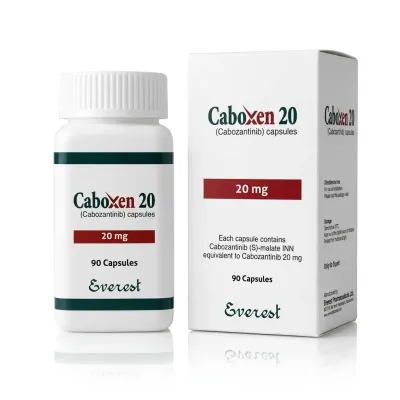
Caboxen 20 20 mg Everest
View
Everest
20 mg 90 capsules
23293₴ 24611₴
-11%
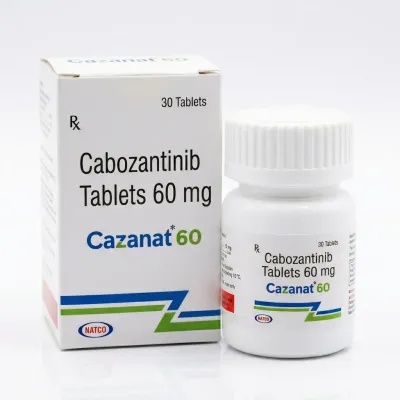
Cazanat 60 mg Natco
View
Natco
60 mg 30 tablets
5494₴ 6153₴
✅ All products loaded (3)

Contact us

Choose a convenient way to contact

We work daily from 9:00 to 20:00