
Cholestyramine Resin – Bile Acid Sequestrant and Antihyperlipidemic Agent

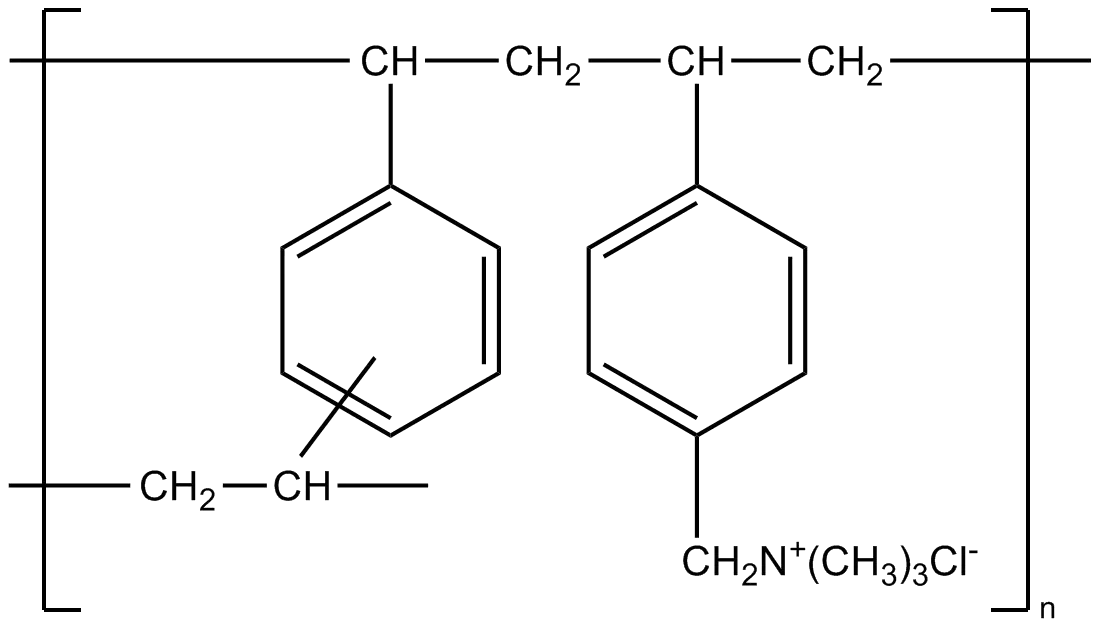
Cholestyramine Resin is an oral, lipid-lowering, and antihypercholesterolemic therapeutic agent formulated as a strongly basic anion-exchange resin (a copolymer of styrene and divinylbenzene containing quaternary ammonium groups in the chloride form). The mechanism of action of cholestyramine is purely physicochemical and transpires exclusively within the intestinal lumen without any systemic absorption of the resin into the bloodstream. Upon oral ingestion, cholestyramine molecules strongly bind (sequester) endogenous bile acids within the lumen of the small intestine via an anion-exchange process. The resulting insoluble complexes are fully excreted from the body in the feces. Interrupting the natural enterohepatic circulation of bile acids induces a sharp decline in their return to the liver. In response, hepatocytes upregulate the de novo synthesis of bile acids from cellular cholesterol via a feedback loop mechanism. This stimulates a significant increase in the expression of low-density lipoprotein (LDL) receptors on hepatic membranes, accelerating the clearance and systemic removal of atherogenic cholesterol from the circulation.

The clinical uniqueness of cholestyramine lies in its therapeutic versatility, extending far beyond the management of lipid panels. In addition to effectively reducing total cholesterol and LDL cholesterol levels, the drug is an indispensable tool for the pathologic management of severe pruritus associated with partial biliary obstruction or cholestatic liver diseases, effectively removing excess circulating bile acids deposited in the dermis. Cholestyramine is also widely utilized for the symptomatic relief of cholegenic diarrhea, which develops due to an excessive influx of bile acids into the colon (e.g., following ileal resection or cholecystectomy). The resin is completely insoluble in water and remains unaffected by gastrointestinal digestive enzymes. It is not absorbed and is eliminated unchanged in the fecal mass alongside the bound metabolites. Elimination half-life and systemic metabolism are absent due to the complete lack of systemic absorption.

The drug is administered orally as a pre-constituted suspension. Initiating therapy mandates regular laboratory monitoring of lipid profiles, prothrombin time tracking, and plasma folate concentrations (especially during long-term high-dose regimens). Because the resin can non-specifically bind co-administered medications, any other oral pharmaceuticals must be taken at least 1 hour before or 4 to 6 hours after cholestyramine administration.
Wikipedia page
Cholestyramine Resin

Indications

Cholestyramine is indicated for the systemic symptomatic and pathologic therapy of adult and pediatric patients presenting with the following disorders and diseases:

  • Hypercholesterolemia: reduction of elevated total cholesterol and low-density lipoprotein (LDL) cholesterol levels in patients with primary hypercholesterolemia (Fredrickson Type IIa) when dietary modifications alone prove inadequate.
  • Cholestatic Pruritus: pathologic management and palliation of severe pruritus associated with partial biliary obstruction, primary biliary cholangitis, or other cholestatic syndromes.
  • Cholegenic Diarrhea: symptomatic management of diarrhea induced by malabsorption and excessive accumulation of bile acids inside the intestinal lumen (following ileal resection, cholecystectomy, or associated with Crohn's disease).

Dosage and administration

The dosing regimen of cholestyramine must be individualized, with gradual dose titration employed to minimize gastrointestinal adverse effects.

  • Standard Adult Dose: the initial dose is 4 g (one sachet or one level scoopful) taken orally 1–2 times daily. If clinically required, the dose is gradually escalated at weekly intervals to a maintenance dose of 8–24 g per day, divided into 2–6 administrations. The maximum daily dose is 36 g.
  • Pediatric Regimen: the recommended therapeutic dose for pediatric patients over 6 years of age is calculated individually, typically starting at 240 mg per kilogram of body weight per day, split into 2–3 administrations. The total dose must not exceed standard adult limits.
  • Administration Method: the dry powder must never be swallowed in its raw form due to the severe risk of aspiration. Prior to ingestion, each dose must be thoroughly mixed into 60–150 mL of liquid (water, fruit juice, non-carbonated beverages, soup, or pureed fruits) until a uniform suspension is obtained, and consumed immediately.
  • Missed Dose: if a scheduled dose is missed, the patient should take it as soon as remembered, provided the interval to the next dose is long. If the next dose is near, the missed dose must be omitted entirely. Taking a double dose to compensate for a missed one is strictly prohibited.
  • Co-administered Therapy Adjustments: all concurrent oral medications must be administered at least 1 hour before or 4 to 6 hours after the cholestyramine dose to avoid significant impairment of their gastrointestinal absorption.

The use of cholestyramine is restricted by substantial risks of severe intestinal obstruction and systemic metabolic imbalances, and is contraindicated in the following clinical states:

  • Hypersensitivity: documented history of anaphylaxis, severe allergic manifestations, or individual hypersensitivity to cholestyramine resin or any inactive formulation excipients inside the dosage form.
  • Complete Biliary Obstruction: complete occlusion of the common bile duct or hepatic ducts, where bile does not enter the intestinal lumen at all (rendering the drug clinically ineffective).
  • Severe Gastrointestinal Disorders: active bowel obstruction, severe intestinal stenosis, or acute exacerbations of peptic ulcer disease due to the high risk of fecal impaction.
  • Pregnancy and Lactation: because cholestyramine can significantly impair the absorption of fat-soluble vitamins (A, D, E, K) and folic acid, its use in pregnant women is not recommended due to potential risks of fetal hemorrhage. Breastfeeding should be suspended during therapy, as maternal vitamin depletion may negatively impact the composition of breast milk.
  • Age Restrictions: safety, tolerability, and efficacy profiles of the resin in newborns and infants under 6 years of age have not been established; use within this cohort is contraindicated.

The side effects of cholestyramine are driven by its local retention inside the intestinal lumen and its non-specific impact on nutrient and vitamin absorption:

  • Gastrointestinal Toxicity: the most frequently reported event is prominent constipation (occasionally leading to fecal impaction in elderly cohorts), alongside flatulence, abdominal distension, nausea, vomiting, heartburn, anorexia, and exacerbation of hemorrhoids.
  • Metabolic Disturbances: prolonged utilization of high doses may induce hyperchloremic acidosis (particularly in pediatric populations) due to the release and subsequent absorption of chloride ions from the resin matrix.
  • Vitamin Deficiencies: impaired absorption of fat-soluble vitamins (A, D, E, K), potentially manifesting as night blindness, osteoporosis, and hypoprothrombinemia with increased bleeding tendencies (due to vitamin K depletion). Serum folate levels may also decrease.
  • Dermatological Manifestations: rare allergic reactions including skin rashes, pruritus, urticaria, and transient perianal irritation.

Frequently Asked Questions

Cholestyramine is an oral lipid-lowering agent formulated as a strong anion-exchange polymer resin. It functions exclusively within the lumen of the gastrointestinal tract and is completely non-absorbable into the systemic circulation. Cholestyramine directly binds (sequesters) bile acids in the intestine, forming an insoluble complex that prevents their reabsorption and facilitates their fecal excretion. To compensate for the loss of bile acids, the liver accelerates the conversion of endogenous cholesterol into new bile acids. This biological response drives the upregulation of hepatic LDL receptors, significantly reducing circulating levels of total cholesterol and low-density lipoprotein cholesterol (LDL-C).
Beyond the management of primary hypercholesterolemia, cholestyramine is frequently utilized in gastroenterology. It is indicated for the relief of severe, refractory pruritus (itching) associated with partial biliary obstruction and primary biliary cirrhosis, achieved by lowering bile acid accumulation in cutaneous tissues. Additionally, the drug is indicated for the treatment of bile acid malabsorption diarrhea (choleretic diarrhea), which often occurs post-cholecystectomy or following ileal resection, when excess unabsorbed bile acids enter the colon and stimulate fluid secretion.
Cholestyramine powder must never be swallowed in its dry form due to the severe risks of esophageal irritation, localized inflammation, or mechanical airway obstruction. The contents of one single-dose sachet must be completely dispersed in approximately 60 to 120 mL of fluid, such as water, non-carbonated juice, milk, or a thin soup. Allow the powder to hydrate for 1 to 2 minutes, stir thoroughly until a uniform suspension is generated, and instruct the patient to drink it immediately. Rinse the glass with a small additional volume of liquid to ensure the entire dose is consumed.
Because cholestyramine is a non-specific anion-exchange resin, it can bind and significantly impair the gastrointestinal absorption of almost any concurrently administered oral drug. Consequently, patients must ingest all other concomitant oral medications (especially anticoagulants, thiazide diuretics, antibiotics, thyroid hormones, and cardiac glycosides) at least 1 hour before or 4 to 6 hours after the administration of cholestyramine. Failure to maintain this dosing window can render the concurrent drug therapies subtherapeutic.
The most frequently reported adverse effects of cholestyramine are gastrointestinal, predominantly constipation (which can be severe, particularly in elderly patients), flatulence, nausea, and dyspepsia. Increasing dietary fiber intake and maintaining robust hydration can help prevent severe constipation. Long-term, high-dose administration can impair the absorption of dietary fat-soluble vitamins (A, D, E, and K) and folate. Consequently, patients undergoing chronic maintenance therapy should be monitored and may require routine, proactive supplementation with these nutrients, administered well outside the cholestyramine dosing window.

List of medicines by active substance

-14%
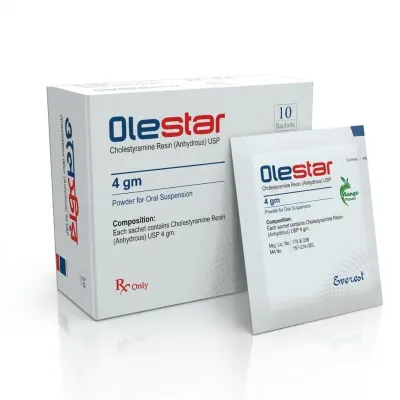
Olestar 4 gm Everest
View
Everest
4 gm 10 sachets
3955₴ 4584₴
✅ All products loaded (1)

Contact us

Choose a convenient way to contact

We work daily from 9:00 to 20:00