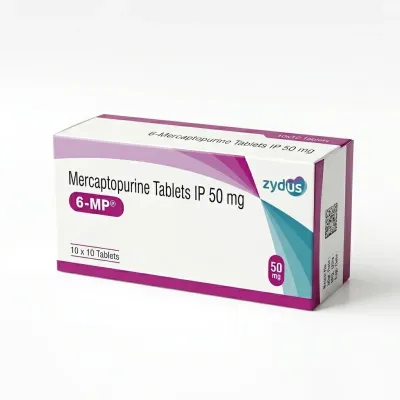
Mercaptopurine – Purine Antimetabolite for Acute Lymphoblastic Leukemia
Mercaptopurine is a systemic antineoplastic agent formulated as a purine metabolism antimetabolite and a structural analogue of nucleic acid bases (hypoxanthine and adenine). The mechanism of action of mercaptopurine is phase-specific, selectively targeting the S-phase of the cell cycle. Upon entering the cell, the drug is biotransformed by the enzyme hypoxanthine-guanine phosphoribosyltransferase into its active nucleotide form, thioinosinic acid. This active metabolite competitively inhibits enzymes responsible for de novo purine nucleotide synthesis and blocks the interconversion of purine nucleotides. Furthermore, mercaptopurine derivatives (thioguanine nucleotides) are directly incorporated into DNA and RNA strands, inducing critical structural defects, strand breaks, and subsequent death of rapidly proliferating neoplastic cells. Alongside its cytotoxic profile, the drug exhibits profound immunosuppressive properties, selectively suppressing T-lymphocyte proliferation and humoral immune responses.
The clinical uniqueness of mercaptopurine lies in its long-standing status as a foundational component of maintenance therapy regimens for acute lymphoblastic leukemia (ALL) in both pediatric and adult populations, ensuring sustained remission. The drug is also widely utilized as a second-line option for chronic myeloid leukemia and in refractory presentations of severe inflammatory bowel diseases, such as Crohn's disease and ulcerative colitis. Following oral administration, mercaptopurine displays variable gastrointestinal absorption, with an average bioavailability ranging between 10% and 20%. Plasma protein binding is low (approximately 19%). The agent undergoes extensive first-pass metabolism in the gastrointestinal mucosa and liver via xanthine oxidase into inactive thiouric acid, as well as via thiopurine methyltransferase (TPMT). The elimination half-life of the parent drug in plasma is approximately 1–1.5 hours, though its active intracellular metabolites persist in tissues significantly longer. Systemic clearance occurs predominantly via the kidneys as metabolites.
The drug is administered orally. Initiating therapy mandates regular laboratory monitoring of complete blood counts (due to high myelosuppression risks) and biochemical profiles (including liver transaminase activity and bilirubin levels). Prior to treatment initiation, genotypic or phenotypic screening for TPMT enzyme activity is highly recommended, as patients with inherited TPMT deficiency are predisposed to severe, life-threatening bone marrow toxicity.

Indications
Mercaptopurine is indicated for the systemic cytostatic and immunosuppressive management of adult and pediatric patients presenting with the following pathological conditions:
- Acute Lymphoblastic Leukemia (ALL): implementation as a maintenance therapy component within multi-agent chemotherapy protocols to induce and sustain durable clinical and hematological remission.
- Acute Myelogenous Leukemia (AML): induction of remission and maintenance therapy in cases where standard first-line treatment regimens are inapplicable or ineffective.
- Chronic Myelogenous Leukemia: palliative management to control tumor burden during disease progression or resistance to alternative therapeutic options.
- Crohn's Disease and Ulcerative Colitis: long-term treatment of severe and moderate forms of inflammatory bowel diseases in patients demonstrating resistance or intolerance to corticosteroid therapy.
Dosage and administration
The dosing regimen of mercaptopurine is customized individually based on the patient's body weight or body surface area, hematological indices, and personal tolerability profiles.
- Standard Adult and Pediatric Dose: for leukemia management, the initial dose typically ranges from 2.5 mg per kilogram of body weight daily or 50 to 75 mg per square meter of body surface area daily. Dosing is meticulously adjusted by the clinician based on the observed degree of myelosuppression.
- Administration Method: tablets must be swallowed whole with an adequate volume of water and must not be broken or crushed. The drug can be taken with food or on an empty stomach, but the chosen method of administration must be consistent from day to day. Evening administration is highly recommended.
- Co-administration Restrictions: mercaptopurine must not be taken concurrently with milk or dairy products, as they contain the enzyme xanthine oxidase, which can critically reduce mercaptopurine plasma concentrations. Food intake should occur at least 1 hour before or 2 hours after milk consumption.
- Dose Reductions for Drug Interactions: when co-administered with allopurinol, oxipurinol, or febuxostat (xanthine oxidase inhibitors), the dose of mercaptopurine must be strictly reduced by 75% (to 1/4 of the standard dose) to prevent fatal systemic toxicity.
- Modifications in Renal and Hepatic Impairment: in patients presenting with compromised renal or hepatic functions, down-titration is mandatory to prevent cumulative systemic toxicities.