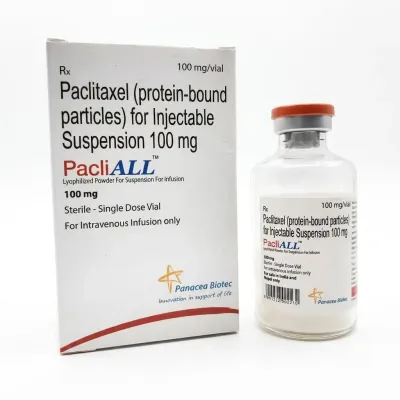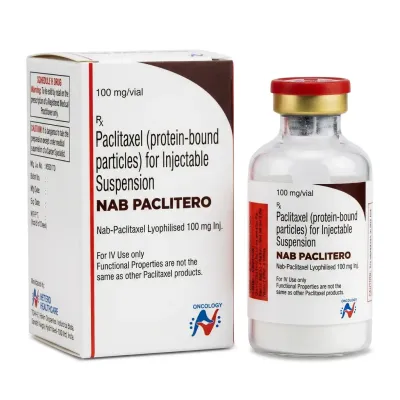
Nab-paclitaxel – Albumin-bound Chemotherapy
Known as original brand(s)
Abraxane
Nab-paclitaxel (Nanoparticle albumin-bound paclitaxel) is an innovative formulation of paclitaxel where the active substance is bound to human albumin proteins using "nab" technology. This delivery system allows the chemotherapy to be targeted directly to the tumor site while avoiding the use of toxic synthetic solvents.
The mechanism of action is based on paclitaxel’s ability to inhibit cell division by stabilizing microtubules. It prevents their depolymerization, which effectively stalls the cell cycle in the G2 and M phases, leading to cancer cell death. The albumin component exploits natural transport mechanisms: it binds to gp60 receptors on blood vessel walls and the SPARC protein, which is often overexpressed in tumor tissues. This ensures a higher concentration of the drug within the tumor and significantly reduces the risk of severe hypersensitivity reactions associated with conventional paclitaxel.
The drug is administered intravenously and does not require corticosteroid premedication.
Indications
Nab-paclitaxel is indicated for the treatment of the following types of malignancies:
- Breast Cancer: metastatic disease after failure of standard combination chemotherapy.
- Pancreatic Adenocarcinoma: first-line treatment for metastatic disease (in combination with gemcitabine).
- Non-Small Cell Lung Cancer (NSCLC): first-line treatment for patients who are not candidates for curative surgery or radiation (in combination with carboplatin).
Dosage and administration
Nab-paclitaxel dosing schedules vary according to the specific indication and chemotherapy regimen.
- Metastatic Breast Cancer: typically 260 mg/m² administered intravenously every 3 weeks.
- Pancreatic Cancer: 125 mg/m² given on days 1, 8, and 15 of each 28-day cycle.
- NSCLC: 100 mg/m² administered weekly in combination with carboplatin.
- Administration: intravenous infusion over 30 minutes. In-line filters are not required during administration.
- Adjustments: dose reductions are necessary in cases of significant neutropenia or severe sensory neuropathy.