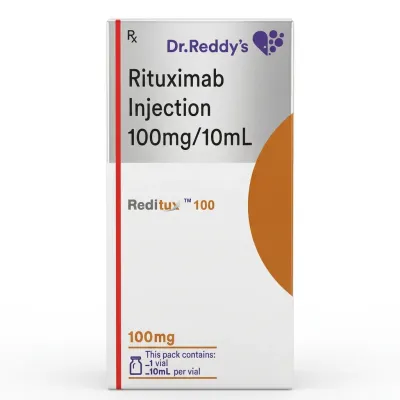
Rituximab – Monoclonal Antibody Therapy

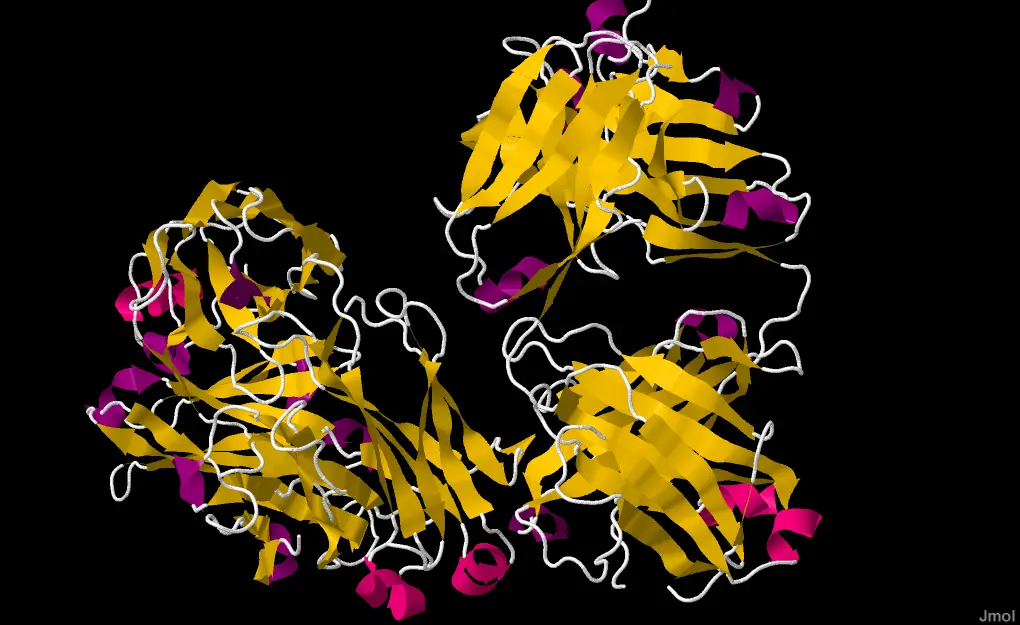
Rituximab is a highly specific genetically engineered chimeric monoclonal antibody belonging to the group of antineoplastic agents and immunomodulators. The drug has become a fundamental tool in the treatment of B-cell lymphomas and severe autoimmune diseases, radically changing therapeutic approaches to pathologies associated with excessive B-lymphocyte activity.

The mechanism of action is based on its ability to selectively bind to the CD20 transmembrane antigen. This protein is expressed on the surface of normal and malignant mature B-lymphocytes but is absent on hematopoietic stem cells and healthy plasma cells. Once the antibody binds to the CD20 receptor, it triggers a cascade of immunological reactions: complement-dependent cytotoxicity, antibody-dependent cellular cytotoxicity, and the direct induction of apoptosis (programmed cell death). This results in a rapid and targeted depletion of the B-cell pool in the blood and tissues. Since stem cells do not carry the CD20 antigen, the healthy B-lymphocyte population is capable of recovering after the completion of treatment, while the pathological cell clone is eradicated.

The drug is administered strictly by intravenous infusion or subcutaneous injection in specialized medical facilities under the supervision of qualified personnel.
Wikipedia page
Rituximab

Indications

Rituximab is indicated for use in adults and children in the following clinical scenarios:

  • Non-Hodgkin Lymphomas: treatment of follicular lymphoma and diffuse large B-cell lymphoma in combination with chemotherapy or as maintenance therapy.
  • Chronic Lymphocytic Leukemia: in combination with chemotherapy for treatment-naive patients or those with relapsed disease.
  • Rheumatoid Arthritis: severe forms of the disease in combination with methotrexate when other treatments have failed.
  • Vasculitis: treatment of granulomatosis with polyangiitis (Wegener's granulomatosis) and microscopic polyangiitis.
  • Pemphigus Vulgaris: therapy for moderate to severe autoimmune skin lesions.

Dosage and administration

The dosing regimen for rituximab is individualized based on the specific disease and the patient's body surface area.

  • Standard Dose for Lymphomas: typically 375 mg/m² of body surface area, administered once weekly or once per chemotherapy cycle.
  • Autoimmune Diseases: for rheumatoid arthritis, the standard schedule includes two 1000 mg infusions administered two weeks apart.
  • Premedication: before each administration, antipyretics, antihistamines, and occasionally glucocorticoids must be given to prevent infusion-related reactions.
  • Infusion Rate: the first infusion starts at a very low rate, gradually increasing if well tolerated.
  • Monitoring: vital signs such as blood pressure, pulse, and respiration must be monitored during the infusion and for at least one hour afterward.
The use of rituximab is strictly restricted in the presence of the following factors:

  • Hypersensitivity: known allergy to rituximab, murine-derived proteins, or any of the excipients.
  • Active Infections: presence of severe acute infectious diseases or active tuberculosis.
  • Immunodeficiency: severe primary or secondary immunodeficiency states.
  • Heart Failure: severe cardiac dysfunction (NYHA Class IV) when treating autoimmune conditions.
  • Pregnancy and Lactation: the drug crosses the placental barrier and can cause fetal B-cell depletion; breastfeeding is prohibited for 6 months after treatment.

Rituximab therapy requires supervision due to the risk of the following adverse events:

  • Infusion-related Reactions: the most common side effects (chills, fever, dyspnea, pruritus), occurring primarily during the first administration.
  • Hematologic: neutropenia, leukopenia, and anemia (which may be delayed in onset).
  • Infectious Complications: increased risk of bacterial, viral, and fungal infections due to decreased antibody levels.
  • Gastrointestinal: nausea, vomiting, abdominal pain, and diarrhea.
  • Cardiovascular: blood pressure fluctuations, arrhythmia, and chest pain.
  • Rare and Serious: hepatitis B virus reactivation and the risk of developing progressive multifocal leukoencephalopathy (PML).

Frequently Asked Questions

Rituximab is a genetically engineered chimeric monoclonal antibody. It specifically binds to the CD20 antigen found on the surface of both normal and malignant B-lymphocytes. Once bound, rituximab triggers the body's immune responses to destroy these cells, while sparing hematopoietic stem cells, which do not express the CD20 antigen.
Rituximab has a broad range of indications: in oncohematology (to treat non-Hodgkin's lymphomas and chronic lymphocytic leukemia) and in rheumatology (for severe rheumatoid arthritis, granulomatosis with polyangiitis, and microscopic polyangiitis). It is also effective in treating certain systemic autoimmune conditions.
The first administration is often associated with infusion-related reactions (chills, fever, shortness of breath, rash). Consequently, the procedure is performed in a clinical setting where immediate medical support is available. Before the infusion starts, patients typically receive premedication with antihistamines and antipyretics to minimize the risk of side effects.
Because the drug depletes B-cells, the level of protective antibodies in the blood temporarily decreases, weakening the immune system. Patients may become more susceptible to viral and bacterial infections. It is vital to inform the doctor of any history of Hepatitis B, as rituximab can trigger a reactivation of the virus.
Vaccination with live viral vaccines is contraindicated during therapy and until B-cell levels have recovered. Other types of vaccines may be less effective due to the suppressed immune response. It is recommended to complete all necessary vaccinations at least 4 weeks before starting rituximab treatment.

List of medicines by active substance

-10%
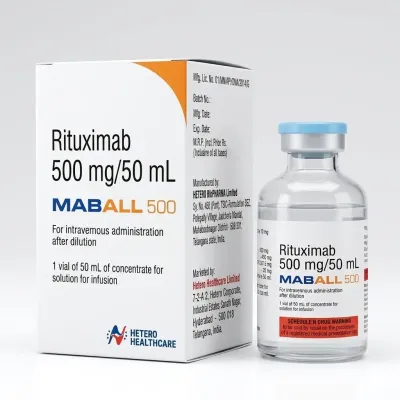
Maball 500 500 mg / 50 ml Hetero
View
Hetero
500 mg / 50 ml 1 vial
7865₴ 8764₴
-15%
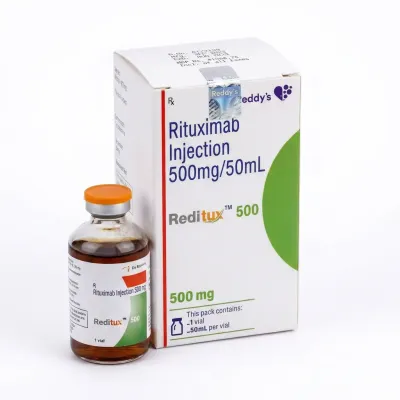
Reditux 500 500 mg Dr. Reddy's
View
Dr. Reddy's
500 mg 1 vial
8764₴ 10337₴
-23%
Reditux 100 100 mg Dr. Reddy's
View
Dr. Reddy's
100 mg 1 vial
3820₴ 4944₴
✅ All products loaded (3)

Contact us

Choose a convenient way to contact

We work daily from 9:00 to 20:00