Sorafenib – Targeted Therapy
Known as original brand(s)
Nexavar
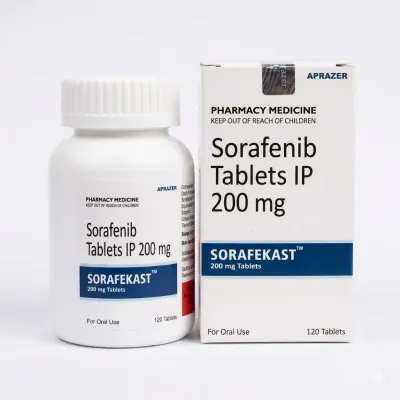
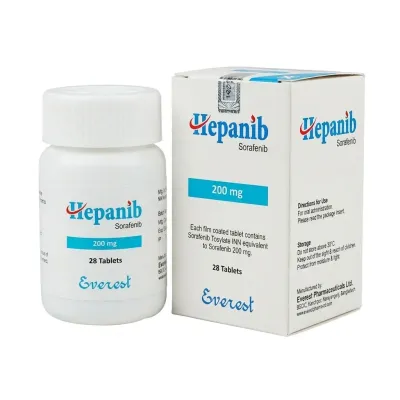
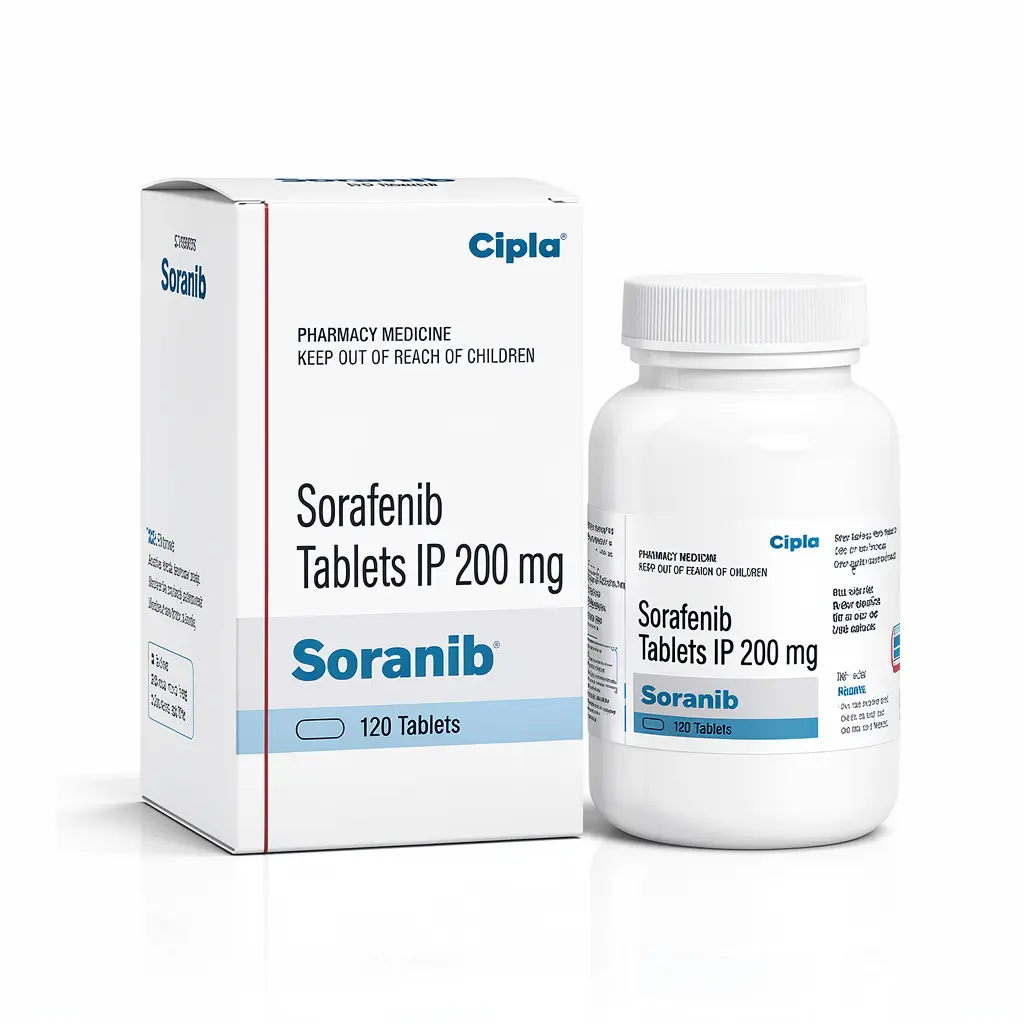
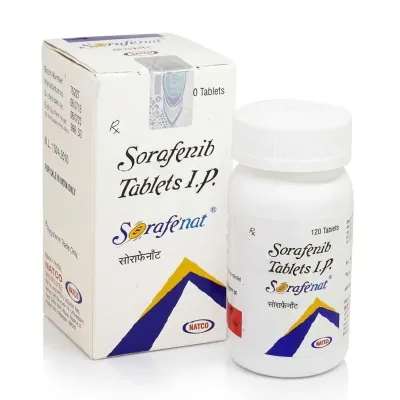
Sorafenib is a first-generation multi-kinase inhibitor designed for the targeted therapy of various types of solid tumors. The drug exerts a dual action: it simultaneously inhibits cancer cell proliferation and restricts the tumor's blood supply.
The mechanism of action of sorafenib involves blocking intracellular kinases (C-RAF, BRAF) and receptor tyrosine kinases (VEGFR-2, VEGFR-3, PDGFR-β, KIT, RET). Inhibition of the RAF/MEK/ERK pathways prevents tumor cell division, while targeting VEGFR and PDGFR receptors blocks angiogenesis—the process of new vessel formation. This leads to a slowing of disease progression even in advanced stages. The drug was the first systemic agent to demonstrate efficacy in advanced liver cancer.
Sorafenib is available in oral tablet form and is widely used in global oncological practice as a standard of care for inoperable cancers.

Indications
Sorafenib is indicated for the treatment of adult patients with the following pathologies:
- Hepatocellular Carcinoma (HCC): therapy for patients with inoperable liver cancer.
- Renal Cell Carcinoma (RCC): advanced stages of the disease when prior cytokine therapy has failed or for patients with a poor prognosis.
- Differentiated Thyroid Carcinoma (DTC): progressive forms resistant to radioactive iodine therapy.
Dosage and administration
The sorafenib treatment regimen is tailored individually and requires regular blood pressure monitoring.
- Standard Dose: 400 mg (two 200 mg tablets) twice daily.
- Total Daily Dose: 800 mg.
- Administration Rules: tablets should be taken either on an empty stomach or with a low-to-moderate fat meal. They must be swallowed whole with water.
- Missed Dose: a double dose should not be taken; resume the schedule with the next dose the following day.
- Dose Adjustment: if skin toxicity or hypertension occurs, the physician may reduce the dosage to 400 mg daily or temporarily suspend treatment.