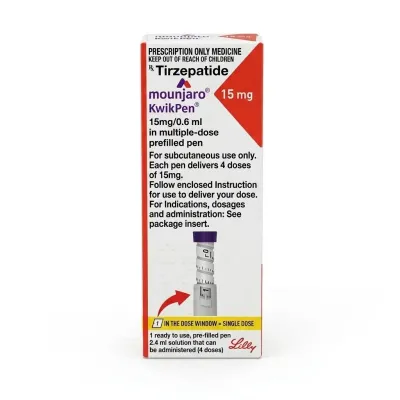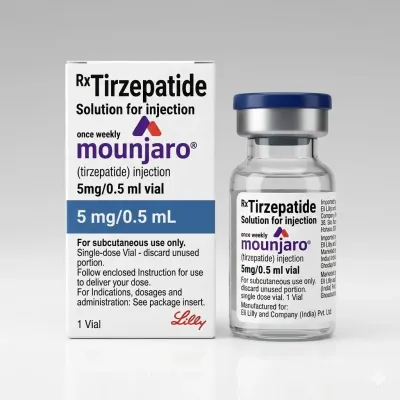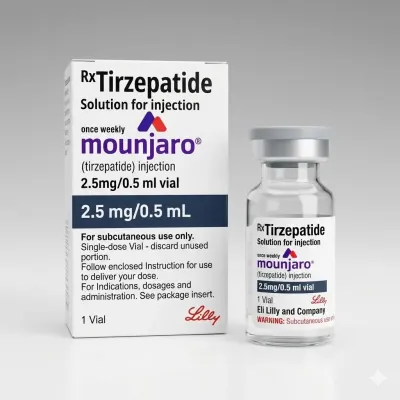
Tirzepatide – Dual GIP and GLP-1 Receptor Agonist Therapy
Known as original brand(s)
Mounjaro, Zepbound
Tirzepatide is an innovative medicinal substance representing the world's first dual agonist of glucose-dependent insulinotropic polypeptide (GIP) and glucagon-like peptide-1 (GLP-1) receptors. The drug is a synthetic peptide that mimics the action of natural incretins, providing a comprehensive approach to treating metabolic disorders. Tirzepatide demonstrates unprecedented efficacy in lowering blood sugar levels and significant reduction in body weight.
The mechanism of action of tirzepatide is based on the synergy of two hormones. As a GIP agonist, it improves insulin secretion and sensitivity while positively affecting lipid metabolism. As a GLP-1 agonist, the drug slows gastric emptying and acts on satiety centers in the brain, reducing appetite and food intake. Simultaneous activation of these receptors allows for more potent glycemic control compared to selective GLP-1 agonists. Additionally, tirzepatide favorably influences cardiovascular markers and liver health in fatty hepatosis. The drug has a long half-life, allowing for once-weekly administration.
Tirzepatide is intended for subcutaneous administration and is a vital tool in the therapy of patients with diabetes and obesity.

Indications
Tirzepatide is indicated for use in adult patients for the following clinical conditions:
- Type 2 Diabetes Mellitus: as an adjunct to diet and exercise to improve glycemic control in monotherapy or in combination with other agents.
- Weight Management: long-term weight management in adults with obesity (BMI ≥30 kg/m²) or overweight (BMI ≥27 kg/m²) in the presence of weight-related comorbidities.
- Cardiovascular Prevention: reduction of risk for complications associated with metabolic disorders and high body mass index.
- Metabolic Disorders: improvement of insulin sensitivity and correction of dyslipidemia in patients with metabolic syndrome.
Dosage and administration
Tirzepatide therapy requires gradual dose titration to minimize gastrointestinal side effects.
- Initial Dose: treatment begins with 2.5 mg subcutaneously once weekly for the first 4 weeks.
- Titration: after 4 weeks, the dose is increased to 5 mg once weekly. If further control is needed, the dose is increased in 2.5 mg increments every 4 weeks.
- Maximum Dose: the maximum allowable dosage is 15 mg once weekly.
- Administration Method: the drug is injected subcutaneously in the abdomen, thigh, or upper arm at any time of day, regardless of meals.
- Missed Dose: if a dose is missed, it can be taken within 4 days after the scheduled date.