Daclatasvir – Antiviral Therapy

Daclatasvir is a highly specific direct-acting antiviral agent designed for the treatment of chronic hepatitis C. The drug belongs to the class of non-structural protein 5A (NS5A) inhibitors, which plays a critical role in the viral life cycle.

The mechanism of action of daclatasvir involves binding to the NS5A protein, leading to potent inhibition of both viral RNA replication and the assembly of new virions. By targeting this key component, the drug effectively reduces the viral load in the patient's blood. Daclatasvir exhibits a broad spectrum of activity against various hepatitis C virus (HCV) genotypes, including genotypes 1, 2, 3, and 4. However, the drug is almost never used as monotherapy, as its combination with other antiviral agents (e.g., sofosbuvir) is required to achieve a sustained virologic response.

The drug is available in tablet form and is characterized by good tolerability, allowing its use even in patients with liver cirrhosis or those post-transplantation.

Wikipedia page
Daclatasvir

Indications

Daclatasvir is used for the treatment of chronic hepatitis C in adult patients:

  • Combination Therapy: treatment of HCV genotypes 1, 2, 3, and 4 in combination with other medicinal products (most commonly sofosbuvir).
  • Complex Cases: therapy for patients with HIV-1 co-infection, as well as patients with compensated or decompensated liver cirrhosis.
  • Post-transplant Period: treatment of hepatitis C recurrence after liver transplantation.

Dosage and administration

The daclatasvir dosing regimen requires precision and consideration of drug interactions.

  • Standard Dose: 60 mg once daily.
  • Administration Rules: the tablet is taken orally, swallowed whole, regardless of food intake.
  • Duration of Treatment: typically 12 or 24 weeks depending on the virus genotype and liver condition.
  • Dose Adjustment: the dosage may be reduced to 30 mg or increased to 90 mg when co-administered with strong inhibitors or inducers of the CYP3A4 enzyme.
  • Missed Dose: if the delay is less than 20 hours, the dose should be taken immediately; if more than 20 hours, the dose should be skipped.

The use of daclatasvir is contraindicated in the following cases:

  • Monotherapy: the drug must not be used without combination with other antiviral agents.
  • Hypersensitivity: allergy to daclatasvir or tablet excipients.
  • Drug Interactions: co-administration with drugs that strongly induce the CYP3A4 enzyme (e.g., rifampicin, St. John's wort, phenytoin), as this drastically reduces therapy effectiveness.
  • Pregnancy and Lactation: the drug is not recommended for use during pregnancy; breastfeeding should be discontinued.
  • Pediatric Use: safety and efficacy in individuals under 18 years of age have not been established.

Daclatasvir is generally well-tolerated, and side effects are more frequently associated with the co-administered drugs in the regimen:

  • General Symptoms: fatigue (asthenia), headache, and occasionally dizziness.
  • Gastrointestinal: nausea, decreased appetite, and in rare cases, diarrhea or abdominal discomfort.
  • Nervous System: insomnia or sleep disturbances.
  • Skin Reactions: dry skin, itching, or mild rash.
  • Laboratory Parameters: possible changes in hemoglobin or bilirubin levels (especially when combined with ribavirin).

Frequently Asked Questions

Daclatasvir is a potent inhibitor of the non-structural protein 5A (NS5A) of the hepatitis C virus (HCV). This protein is essential for viral RNA replication and the assembly of new virions. By blocking NS5A, daclatasvir halts the production of the virus within liver cells and prevents its spread throughout the body.
Daclatasvir exhibits broad antiviral activity against multiple HCV genotypes (including 1, 2, 3, and 4). It is frequently prescribed for patients with genotype 3, which is generally considered more difficult to treat. The substance is always used in combination with other medications (such as sofosbuvir).
The standard dose is 60 mg once daily, with or without food. It is important to maintain a consistent schedule. If a dose is missed and less than 20 hours have passed, take the tablet as soon as possible. If more than 20 hours have passed, skip the missed dose and wait for the next scheduled time. Do not take a double dose to compensate.
Daclatasvir interacts with many drugs through the liver's enzyme system. For instance, certain medications for epilepsy (carbamazepine) or tuberculosis (rifampin) can reduce its efficacy. Conversely, the dose of daclatasvir may need adjustment when taken with potent CYP3A4 inhibitors or inducers.
Daclatasvir-based therapy (often with sofosbuvir) allows for interferon-free hepatitis C treatment, significantly reducing side effects. The course typically lasts 12 or 24 weeks and offers a very high cure rate (over 90%), even for patients with liver cirrhosis or those who have failed previous treatments.

List of medicines by active substance Daclatasvir
-14%
Hepcinat Plus 60 mg + 400 mg Natco
View
Natco
60 mg + 400 mg 28 tablets
3955₴ 4615₴
-10%
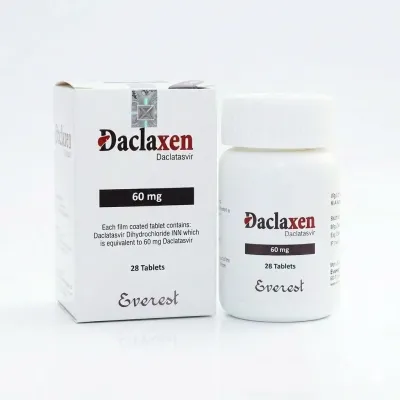
Daclaxen 60 mg Everest
View
Everest
60 mg 28 tablets
1670₴ 1846₴
-25%
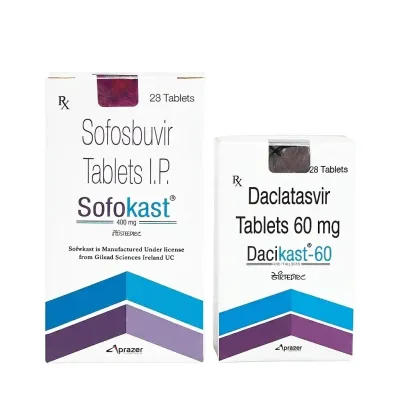
Sofokast + Dacikast 400 mg + 60 mg  Aprazer
View
Aprazer
400 mg + 60 mg 28 tablets
2329₴ 3120₴
-20%
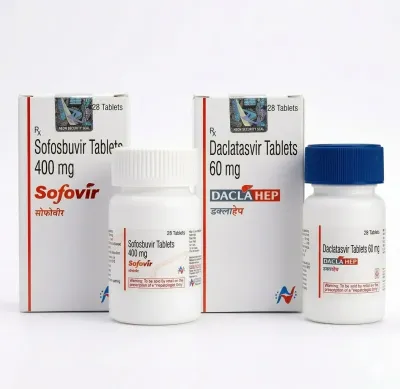
Sofovir + Daclahep 400 mg + 60 mg Hetero
View
Hetero
400 mg + 60 mg 28 tablets
3516₴ 4395₴
-13%
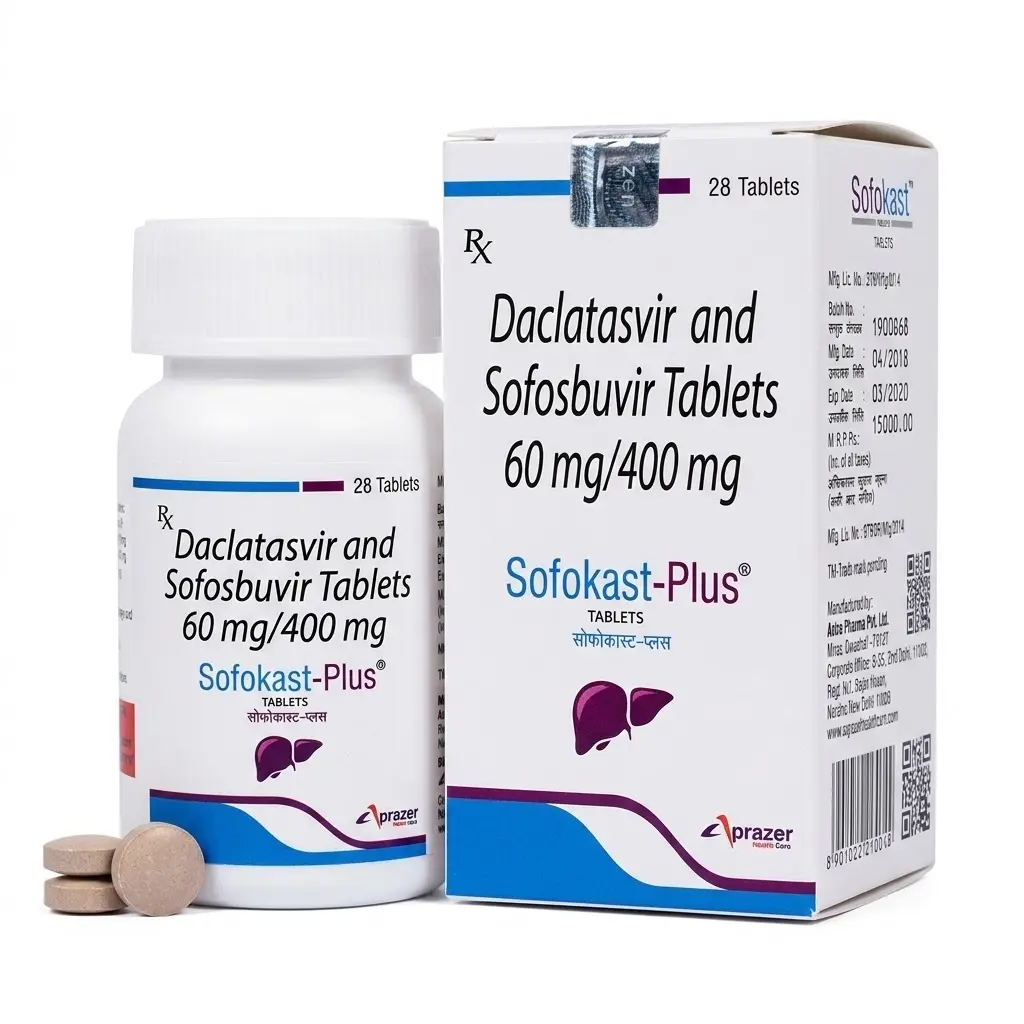
Sofokast-Plus 400 mg + 60 mg Aprazer
View
Aprazer
400 mg + 60 mg 28 tablets
3296₴ 3780₴
✅ All products loaded (5)

Contact us

Choose a convenient way to contact

We work daily from 9:00 to 20:00