
Dasatinib – Potent Multi-Targeted Tyrosine Kinase Inhibitor

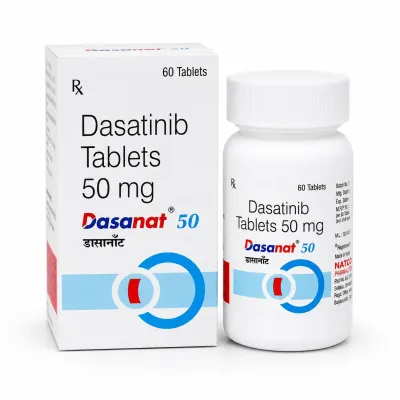
Dasatinib is a potent multi-targeted second-generation tyrosine kinase inhibitor designed for the targeted therapy of hematological malignancies. The agent inhibits the activity of BCR-ABL kinase and a broad range of other kinases, including the SRC family, c-KIT, EPHA2, and PDGFRβ. The primary mechanism of action involves suppressing the pathological activity of the BCR-ABL protein, which is the product of the Philadelphia chromosome (Ph+) translocation and a critical driver of tumor cell proliferation in chronic myeloid leukemia (CML) and acute lymphoblastic leukemia (ALL). Unlike imatinib, dasatinib binds to both active and inactive conformations of BCR-ABL, allowing it to overcome resistance caused by most known BCR-ABL mutations (with the notable exception of T315I mutations).

The pharmacokinetic profile of dasatinib is characterized by rapid absorption following oral administration, with peak plasma concentrations reached within 0.5 to 3 hours. The drug exhibits high plasma protein binding (approximately 96%). Metabolism occurs predominantly in the liver via the CYP3A4 isoenzyme, yielding several active metabolites that contribute to kinase inhibition and prolong the therapeutic effect. The half-life is approximately 3 to 5 hours, while the terminal half-life of active metabolites may reach 11 to 15 hours. The primary route of elimination is via the feces through biliary excretion. Due to the potential risk of QT interval prolongation and pleural effusion, therapy requires stringent clinical monitoring.

The drug is administered orally, irrespective of food intake. Treatment necessitates regular monitoring of complete blood counts to assess myelosuppression, as well as cardiovascular and respiratory evaluations (to facilitate early detection of pleural effusion).

Wikipedia page
Dasatinib

Indications

Dasatinib is indicated for the treatment of adult and pediatric patients with the following oncological conditions:

  • Chronic Myeloid Leukemia (CML): treatment of newly diagnosed chronic phase Philadelphia chromosome-positive (Ph+) CML, as well as patients in chronic, accelerated, or blast crisis phases who are resistant or intolerant to prior therapy (including imatinib).
  • Acute Lymphoblastic Leukemia (ALL): treatment of patients with Ph-positive acute lymphoblastic leukemia who demonstrate resistance or intolerance to prior chemotherapy regimens.

Dosage and administration

The dosing regimen of dasatinib is customized individually based on the phase of the disease and the therapeutic response.

  • Standard Dose: for chronic phase CML, the recommended dose is 100 mg once daily. For accelerated phase, blast crisis phase, or Ph+ ALL, the dose is typically increased to 140 mg once daily.
  • Administration Method: tablets must be swallowed whole without breaking or chewing. The drug can be taken regardless of meal times.
  • Restrictions: concurrent use of drugs that elevate gastric pH (antacids, H2-blockers, proton pump inhibitors) should be avoided as they may significantly reduce the bioavailability of dasatinib. If necessary, antacids should be administered at least 2 hours before or after dasatinib.
  • Dose Adjustments: in the event of hematological or non-hematological toxicity (e.g., pleural effusion or cytopenia), treatment should be temporarily interrupted, followed by dose adjustment (reduction to 80 mg, 70 mg, or 50 mg daily, depending on severity).
The use of dasatinib is contraindicated in the following states:

  • Hypersensitivity: documented severe intolerance to dasatinib or any formulation component.
  • Pregnancy and Lactation: the agent possesses established teratogenic effects. Use in pregnant women is strictly contraindicated. Females of reproductive potential must utilize highly effective contraception during therapy and for 3 months following its completion. Breastfeeding during therapy is strictly prohibited.
  • Hepatic Impairment: while the drug is metabolized in the liver, special dose reductions are not typically required for mild or moderate impairment; however, caution is advised in cases of severe hepatic insufficiency.

The side effects of dasatinib require ongoing medical observation:

  • Hematological Toxicity: very frequently reported events include myelosuppression: neutropenia, anemia, and thrombocytopenia.
  • Respiratory Disturbances: pleural effusion (fluid accumulation in the pleural space) is frequently observed, necessitating monitoring for dyspnea or cough.
  • Gastrointestinal Disorders: very frequently reported events include diarrhea, nausea, vomiting, and abdominal pain.
  • Dermatological and Systemic Reactions: frequently reported events include skin rash, headache, fatigue, musculoskeletal pain, and edema (including peripheral edema).
  • Cardiovascular Disturbances: potential cases of QT interval prolongation on ECG and rarely, heart failure, may occur.

Frequently Asked Questions

Dasatinib is a potent, multi-targeted tyrosine kinase inhibitor. Unlike imatinib (a first-generation inhibitor), dasatinib exhibits significantly higher potency and the unique ability to bind to the BCR-ABL kinase in both its active and inactive conformations. Furthermore, dasatinib inhibits the SRC kinase family and other critical oncogenic targets (including KIT, EPHA2, and PDGFR). This broad-spectrum profile allows dasatinib to overcome resistance mechanisms that commonly emerge during first-generation therapy and provides efficacy against a wider array of BCR-ABL mutations.
Dasatinib is indicated for the treatment of adult patients with chronic myeloid leukemia (CML) in all phases (chronic, accelerated, and blast crisis) who have demonstrated resistance or intolerance to prior therapy, including imatinib. It is also approved for patients with newly diagnosed CML in the chronic phase. Additionally, dasatinib is indicated for the treatment of adults with Philadelphia chromosome-positive acute lymphoblastic leukemia (Ph+ ALL) for whom prior therapy has failed.
Dasatinib is available as tablets for oral administration. They should be taken once daily at the same time, swallowed strictly whole without chewing or crushing. The medication can be taken with or without food, but a consistent regimen must be maintained (e.g., if taken with a meal, it should always be taken with a meal). Co-administration with antacids or H2-receptor antagonists is prohibited, as these agents significantly reduce dasatinib absorption. If an antacid is required, a dosing interval of at least 2 hours before or after dasatinib administration is mandatory.
A common adverse event associated with dasatinib is fluid retention, which can manifest as pleural effusion (accumulation of fluid around the lungs). Patients must immediately report the onset of dyspnea, cough, pleuritic chest pain, or a noticeable decrease in exercise tolerance. In rare instances, dasatinib has been associated with the development of pulmonary arterial hypertension (PAH). If these symptoms occur, a physician will typically perform diagnostic evaluations (such as a chest X-ray or echocardiogram), may temporarily withhold the drug, or initiate diuretic therapy.
Dasatinib frequently induces hematological adverse events, including neutropenia, thrombocytopenia, and anemia, particularly during the initial months of treatment. Routine monitoring of a complete blood count is mandatory: testing should be performed weekly for the first 2 months of therapy, and monthly or as clinically indicated thereafter. Additionally, serum electrolyte levels and liver function must be monitored regularly. If the patient experiences any signs of bleeding or infection concurrent with abnormal blood counts, they must immediately contact their hematologist for potential dose adjustments.

List of medicines by active substance

-9%
Sprycel 50 mg Bristol-Myers Squibb
View
Bristol-Myers Squibb
50 mg 60 tablets
22169₴ 24386₴
✅ All products loaded (1)

Contact us

Choose a convenient way to contact

We work daily from 9:00 to 20:00