Lenvatinib – Targeted Therapy

Lenvatinib is a potent oral multi-kinase inhibitor with significant anti-angiogenic and anti-tumor properties. The drug belongs to the class of targeted therapies and acts on a broad spectrum of receptors involved in pathological tumor growth, including vascular endothelial growth factor receptors (VEGFR1–3) and fibroblast growth factor receptors (FGFR1–4).

The mechanism of action of lenvatinib involves the simultaneous blockade of several signaling pathways. In addition to inhibiting VEGFR, the drug suppresses the activity of PDGFRα, KIT, and RET receptors. This leads to substantial inhibition of angiogenesis (the formation of new tumor blood vessels), suppression of malignant cell proliferation, and alteration of the tumor microenvironment, which together cause tumor regression and inhibit metastasis.

The drug reaches peak plasma concentrations rapidly after oral administration. The uniqueness of lenvatinib lies in its ability to bind to FGFR receptors, which helps overcome resistance to other angiogenesis inhibitors and ensures high efficacy across various types of solid tumors.

Wikipedia page
Lenvatinib

Indications

Lenvatinib is used in oncological practice for the treatment of progressive forms of cancer:

  • Thyroid Cancer: therapy for progressive, locally advanced, or metastatic differentiated thyroid cancer that is refractory to radioactive iodine.
  • Hepatocellular Carcinoma (HCC): first-line therapy for unresectable liver cancer.
  • Renal Cell Carcinoma (RCC): in combination with everolimus or pembrolizumab for advanced kidney cancer following prior therapy.
  • Endometrial Carcinoma: in combination with pembrolizumab for patients with disease progression following systemic therapy.

Dosage and administration

The dosage of lenvatinib is tailored individually based on the indication and the patient's body weight.

  • Differentiated Thyroid Cancer: the recommended dose is 24 mg once daily.
  • Hepatocellular Carcinoma: dose depends on body weight: 12 mg (for weight ≥60 kg) or 8 mg (for weight <60 kg) once daily.
  • Administration Rules: capsules are taken at the same time every day, with or without food. They should be swallowed whole or dissolved in water/apple juice without being crushed or chewed.
  • Dose Adjustment: if toxicity develops (e.g., severe hypertension or proteinuria), the dose may be reduced to 20, 14, 10, or 8 mg.
  • Monitoring: regular monitoring of blood pressure, thyroid function, and urinary protein levels is mandatory during treatment.
The use of lenvatinib is contraindicated or requires special caution in the following clinical scenarios:

  • Hypersensitivity: known allergy to lenvatinib or any excipient in the formulation.
  • Severe Renal or Hepatic Impairment: use requires careful dose adjustment or restricted use.
  • Pregnancy and Lactation: the drug has teratogenic effects; women of childbearing potential must use reliable contraception.
  • Arterial Hypertension: uncontrolled high blood pressure prior to starting therapy.
  • Pediatric Use: safety and efficacy in children under 18 years of age have not been established.

The safety profile of lenvatinib includes several reactions characteristic of angiogenesis inhibitors:

  • Cardiovascular System: arterial hypertension (very common), risk of heart failure, and thromboembolic events.
  • Digestive System: diarrhea, nausea, vomiting, decreased appetite, and weight loss.
  • Dermatology: hand-foot syndrome, dry skin, and stomatitis.
  • General Symptoms: pronounced fatigue (asthenia), dysphonia (hoarseness), and joint/muscle pain.
  • Laboratory Abnormalities: proteinuria (protein in urine), hypothyroidism, and elevated liver enzymes.

Frequently Asked Questions

Lenvatinib is a multikinase inhibitor that blocks the activity of several receptor types (VEGFR 1–3, FGFR 1–4, PDGFRα, KIT, and RET). It works by inhibiting angiogenesis (the formation of new blood vessels in the tumor) and directly blocking signals that promote cancer cell division. This multi-targeted approach helps combat aggressive forms of cancer effectively.
The primary indications include differentiated thyroid cancer (refractory to radioactive iodine), hepatocellular carcinoma (liver cancer) as first-line therapy, and advanced renal cell carcinoma (in combination with other agents like everolimus or pembrolizumab).
Hypertension (high blood pressure) is a very common side effect of lenvatinib that can develop as early as the first week of treatment. Patients must keep a blood pressure log. If readings significantly exceed normal levels, the physician may need to prescribe antihypertensive medication or adjust the dose of the active substance.
Capsules should be taken once daily at the same time each day, with or without food. They should be swallowed whole. If swallowing is difficult, the capsule can be dissolved (without breaking or crushing) in a tablespoon of water or apple juice for 10 minutes, stirred gently, and then the suspension should be consumed immediately.
The active substance can affect thyroid function (leading to hypothyroidism), requiring TSH level monitoring. Other frequent side effects include loss of appetite, weight loss, hand-foot syndrome, and protein in the urine (proteinuria). Regular blood and urine tests allow the physician to manage these changes effectively.

List of medicines by active substance

-11%
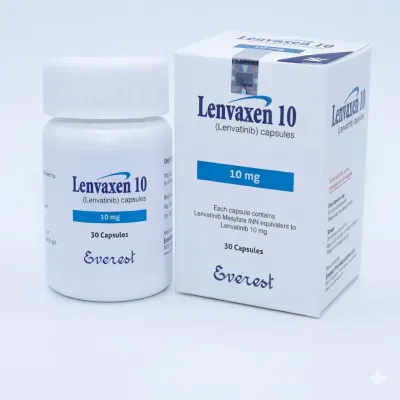
Lenvaxen 10 10 mg Everest
View
Everest
10 mg 30 capsules
7528₴ 8413₴
-15%
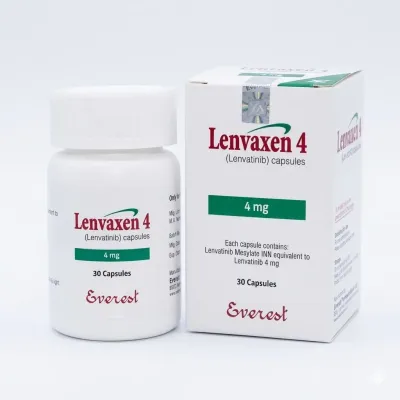
Lenvaxen 4 4 mg Everest
View
Everest
4 mg 30 capsules
4871₴ 5756₴
-10%
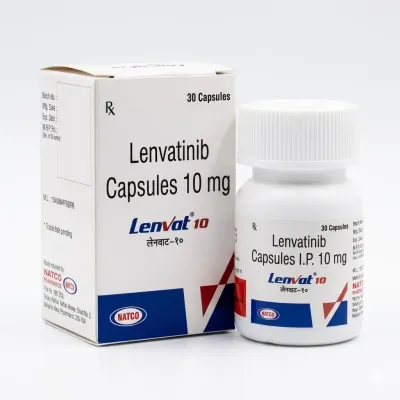
Lenvat 10 10 mg Natco
View
Natco
10 mg 30 capsules
7971₴ 8856₴
-14%
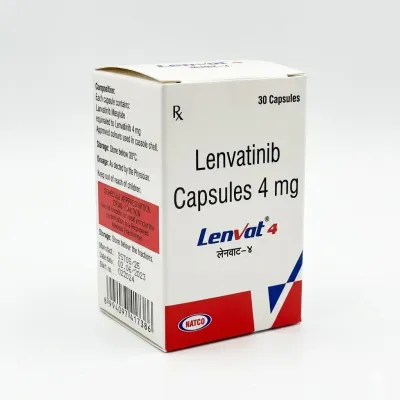
Lenvat 4 4 mg Natco
View
Natco
4 mg 30 capsules
5314₴ 6199₴
-10%
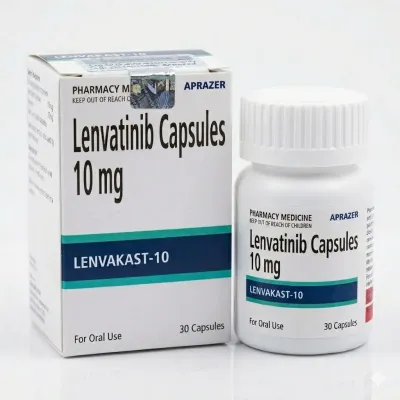
Lenvakast 10 10 mg Aprazer
View
Aprazer
10 mg 30 capsules
7971₴ 8856₴
-14%
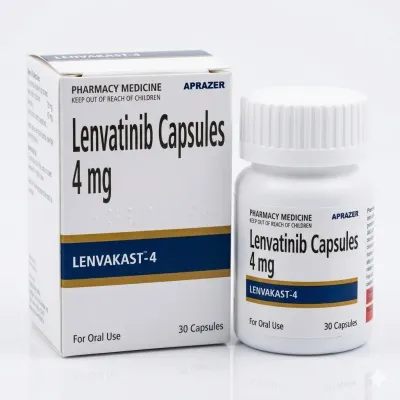
Lenvakast 4 4 mg Aprazer
View
Aprazer
4 mg 30 capsules
5314₴ 6199₴
✅ All products loaded (6)

Contact us

Choose a convenient way to contact

We work daily from 9:00 to 20:00