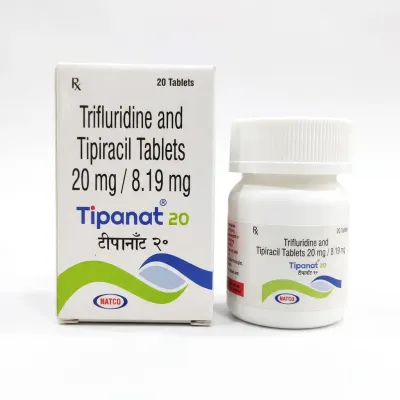
Tipiracil – Combined Gastrointestinal Cancer Therapy

Tipiracil is a supportive pharmacological agent and a potent inhibitor of the enzyme thymidine phosphorylase. While it possesses no inherent antineoplastic activity on its own, it is a critical component of combination therapy designed to significantly potentiate the clinical effects of cytotoxic drugs. Without its intervention, the primary active substance would be degraded by the body almost instantaneously, failing to achieve any therapeutic objectives.

The mechanism of action of tipiracil involves the selective and irreversible blockade of the enzyme thymidine phosphorylase (TP). Normally, this enzyme actively participates in nucleoside metabolism and rapidly degrades trifluridine as soon as it enters the systemic circulation or the liver. Without the protection provided by tipiracil, trifluridine would be destroyed too quickly to accumulate in tumor tissue at the concentration required to arrest cancer cell division. Tipiracil effectively "shuts down" this catabolic pathway, thereby drastically increasing the bioavailability of the primary drug and maintaining stable high plasma levels over a prolonged period. Furthermore, modern research suggests that inhibiting TP may provide an additional anti-angiogenic effect, as this enzyme is functionally identical to the platelet-derived endothelial cell growth factor (PD-ECGF), which stimulates the growth of new capillaries within a tumor mass, ensuring its nutrient supply.

The medication is used exclusively as part of a fixed combination with trifluridine at a strictly defined molecular ratio of 1:0.5.

Wikipedia page
Tipiracil

Indications

Tipiracil is utilized solely as part of combination therapy for the treatment of the following categories of adult patients:

  • Metastatic Colorectal Cancer: treatment of colon or rectal cancer in patients who have previously been treated with fluoropyrimidine, oxaliplatin, and irinotecan-based chemotherapy, as well as appropriate targeted anti-VEGF and anti-EGFR biological agents.
  • Metastatic Gastric Cancer: including adenocarcinoma of the gastroesophageal junction in patients who have previously received at least two lines of standard systemic therapy for advanced disease.
  • Refractory Cases: application in clinical scenarios where the tumor demonstrates resistance to prior lines of conventional chemotherapy.

Dosage and administration

The dosing regimen for tipiracil is always inextricably linked to the dose of trifluridine contained within the same tablet formulation.

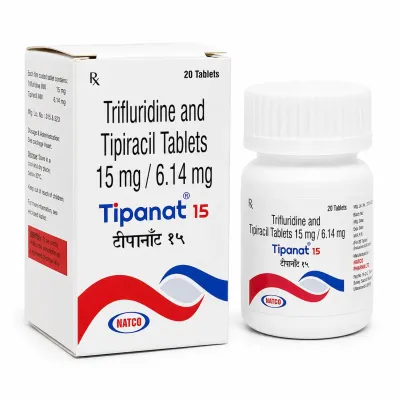
  • Available Strengths: film-coated tablets containing 15 mg trifluridine / 6.14 mg tipiracil or 20 mg trifluridine / 8.19 mg tipiracil.
  • Administration Schedule: the drug is taken twice daily (strictly within one hour after completing breakfast and dinner) for 5 consecutive days, followed by a mandatory two-day rest period.
  • Cycling: this schedule is repeated for two weeks, followed by a rest period lasting 14 days. The complete treatment cycle spans 28 days.
  • Dose Calculation: the treating oncologist calculates the required dosage based on the patient's individual body surface area (m²).
  • Guidelines: tablets must be swallowed whole; it is strictly prohibited to break, crush, or chew them.
Clinical contraindications for the use of tipiracil are identical to the restrictions applied to the entire combination drug product:

  • Individual Sensitivity: a history of allergic reactions to tipiracil, trifluridine, or any of the excipients used in the tablet core or film coating.
  • Renal Impairment: the drug is not recommended for patients with severe kidney damage or end-stage renal disease (creatinine clearance below 15 mL/min).
  • Pregnancy: therapy is categorically contraindicated in pregnant women due to the proven risk of developing severe fetal malformations.
  • Lactation Period: breastfeeding must be discontinued during the treatment period and for 24 hours following the final administered dose.
  • Pediatric Use: lack of clinical data regarding the safety and efficacy of the drug in individuals under 18 years of age.

Since tipiracil significantly increases the exposure time of trifluridine in the body, the observed side effects are primarily caused by the enhancement of systemic toxic impact:

  • Hematologic Toxicity: the most significant effect is pronounced neutropenia (decreased white blood cell count), as well as anemia and thrombocytopenia, which require regular blood monitoring.
  • Gastrointestinal Tract: frequent occurrences of nausea, vomiting of varying severity, diarrhea, and inflammatory processes of the mucous membranes (stomatitis).
  • Metabolic Disorders: a noticeable decrease in appetite (anorexia), leading to progressive weight loss in a significant portion of patients.
  • General Symptoms: a persistent feeling of fatigue, asthenia, malaise, and episodes of increased body temperature (fever).
  • Infections: an increased risk of developing opportunistic infections due to the suppression of the body's immune system.

Frequently Asked Questions

Tipiracil does not possess direct antineoplastic activity. Its primary role is to inhibit the enzyme thymidine phosphorylase, which rapidly degrades trifluridine in the body. By acting as a "shield," tipiracil allows the main drug to remain in the bloodstream at the necessary concentration to effectively combat cancer cells.
Thanks to tipiracil, the medication can be administered orally in tablet form. Without this component, trifluridine would require intravenous infusion in much higher doses due to its rapid degradation. Tipiracil ensures bioavailability and treatment convenience, allowing patients to undergo therapy at home while following their physician's schedule.
While tipiracil increases the time the active substance remains in the body—which can enhance overall toxicity—it rarely causes specific reactions on its own. However, the combination therapy often leads to decreased white blood cell counts (neutropenia) and gastrointestinal issues. Regular blood tests are essential to monitor how the body manages the prolonged action of the drug.
Tipiracil is primarily cleared by the kidneys. In patients with moderate to severe renal impairment, the concentration of tipiracil (and consequently trifluridine) can significantly increase. In such cases, the physician may decide to reduce the dosage of the combination drug to prevent excessive toxicity.
Food intake affects the absorption of the components. Tipiracil and trifluridine must be absorbed simultaneously and in specific proportions. Taking the tablets within 1 hour after finishing breakfast and dinner ensures the most stable concentration of tipiracil in the blood plasma, guaranteeing consistent "protection" for trifluridine throughout the day.

List of medicines by active substance

-8%
Trifluxen 15 mg + 6.14 mg Everest
View
Everest
15 mg + 6.14 mg 30 tablets
20674₴ 22472₴
-7%
Tipanat 20 mg / 8.19 mg Natco
View
Natco
20 mg / 8.19 mg 20 tablets
8809₴ 9438₴
✅ All products loaded (2)

Contact us

Choose a convenient way to contact

We work daily from 9:00 to 20:00