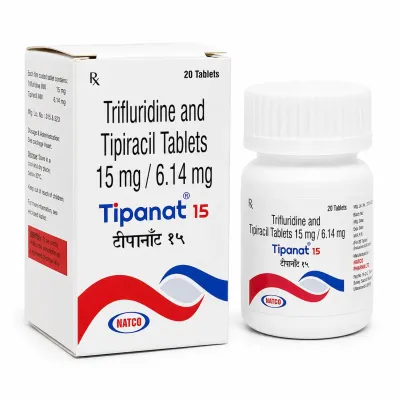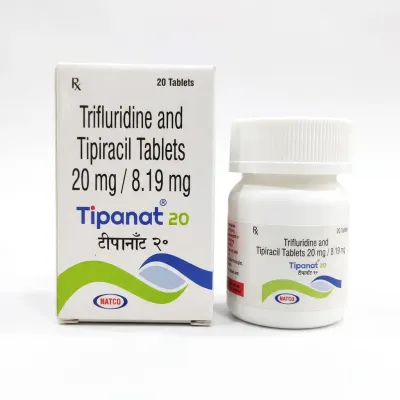
Trifluridine – Targeted Gastrointestinal Cancer Therapy
Known as original brand(s)
Lonsurf
Trifluridine is an antineoplastic cytotoxic medication belonging to the class of antimetabolites (a thymidine-based nucleoside analogue). It is used in a fixed combination with tipiracil, which protects trifluridine from rapid degradation, thereby maintaining its therapeutic concentration in the bloodstream.
The mechanism of action of trifluridine is two-fold. First, after entering the tumor cell, it is phosphorylated and incorporated directly into the DNA strand instead of normal thymidine. This leads to DNA structure disruption and stops further cell division. Second, the drug inhibits the enzyme thymidylate synthase, depriving the cell of the resources needed to repair genetic material. Tipiracil plays a supporting but critical role: it blocks the enzyme thymidine phosphorylase, which normally degrades trifluridine almost instantly. Due to this synergy, the drug is effective even against tumors that have become resistant to standard fluoropyrimidine therapy (such as 5-fluorouracil).
The medication is taken orally in tablet form in cyclic regimens, providing a systemic effect on metastatic lesions.

Indications
Trifluridine in combination with tipiracil is indicated for adult patients in the following scenarios:
- Colorectal Cancer: treatment of metastatic colon or rectal cancer in patients who have been previously treated with or are not candidates for available standard therapies (chemotherapy, targeted agents).
- Gastric Cancer: treatment of metastatic adenocarcinoma of the stomach or gastroesophageal junction in patients who have received at least two prior lines of systemic therapy.
Dosage and administration
The dosing schedule requires precise calculation based on the patient's body surface area and calendar days.
- Standard Dose: the calculated dose is 35 mg/m² twice daily.
- Treatment Cycle: the drug is taken for 5 days followed by a 2-day rest; this schedule is repeated for two consecutive weeks, followed by a 14-day rest period (a complete 28-day cycle).
- Administration: tablets should be taken within 1 hour after completing morning and evening meals. Do not break or chew the tablets.
- Hygiene: hands must be washed thoroughly after handling the tablets.
- Monitoring: a complete blood count is mandatory before each cycle and on day 15 of the cycle to monitor white blood cell levels.