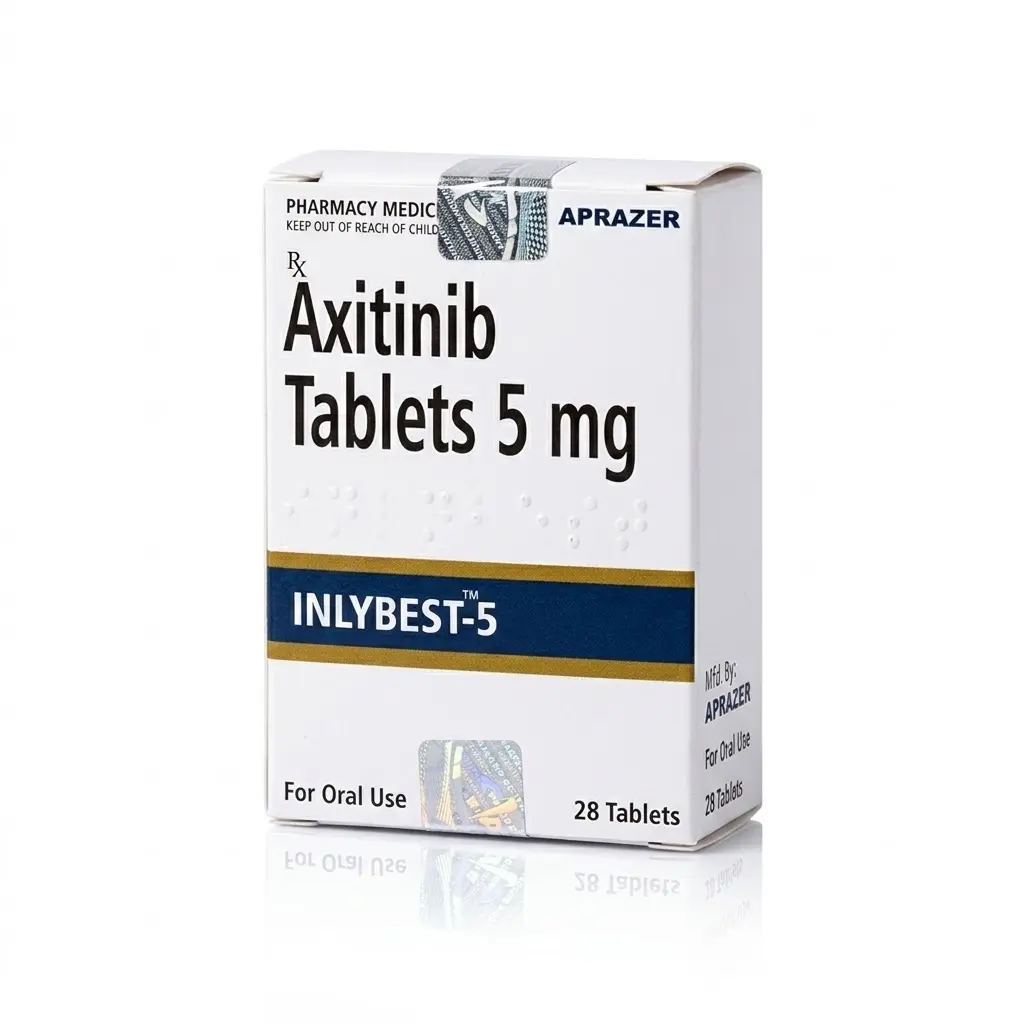
Axitinib – Kidney Cancer Treatment

Axitinib is a potent and highly selective oral tyrosine kinase inhibitor targeting vascular endothelial growth factor receptors (VEGFR-1, VEGFR-2, and VEGFR-3). The drug belongs to the class of targeted antineoplastic agents and is designed to suppress pathological angiogenesis—the process of forming new blood vessels necessary for tumor growth and metastasis.

The mechanism of action of axitinib involves blocking the intracellular domains of VEGFR receptors, which interrupts the cascade of signals responsible for endothelial cell proliferation and vessel survival within the tumor microenvironment. Due to its high selectivity, axitinib can inhibit targets at significantly lower concentrations compared to first-generation inhibitors (such as sorafenib or sunitinib), allowing for a profound therapeutic effect.

The drug is rapidly absorbed upon oral administration and reaches peak plasma concentrations within a few hours. The systemic action of axitinib leads to the regression of existing tumor vessels and prevents the formation of new ones, effectively curbing the progression of the oncological process.

Wikipedia page
Axitinib

Indications

Axitinib is used in oncological practice as a key component of systemic therapy:

  • Renal Cell Carcinoma (RCC): treatment of advanced or metastatic kidney cancer in adults following the failure of prior treatment with sunitinib or cytokines.
  • Combination Therapy: in conjunction with immunotherapy agents (such as pembrolizumab or avelumab) as a first-line treatment for advanced renal cell carcinoma.
  • Resistant Forms: application in cases where the tumor demonstrates resistance to other types of anti-angiogenic therapy.
  • The drug is prescribed to patients with histologically confirmed clear cell renal cell carcinoma variants.

Dosage and administration

Axitinib therapy requires individual dose titration and careful monitoring of the patient's condition by an oncologist.

  • Standard Starting Dosage: consists of 5 mg orally twice daily (with an interval of approximately 12 hours).
  • Dose Adjustment: if the patient tolerates the drug well over two weeks (absence of serious side effects and hypertension), the dose may be gradually increased to 7 mg, and then to a maximum of 10 mg twice daily.
  • Administration Rules: tablets can be taken with or without food, swallowed whole with a glass of water.
  • Drug Interactions: concurrent use of strong CYP3A4/5 inhibitors (e.g., grapefruit juice, ketoconazole) should be avoided, as this significantly increases the drug's toxicity.
  • Blood Pressure Monitoring: blood pressure must be monitored daily during the first weeks, as hypertension is the most common dose-dependent effect.
The use of axitinib is contraindicated or requires extreme caution in the following clinical conditions:

  • Hypersensitivity: known allergy to axitinib or any of the excipients in the tablet formulation.
  • Pregnancy and Lactation: the drug has pronounced embryotoxicity; women must use effective contraception during and for 1 week after treatment.
  • Severe Hepatic Impairment: (Child-Pugh Class C), as safety data in this patient group are unavailable.
  • Thromboembolism: recent episodes of arterial thrombosis, stroke, or myocardial infarction (risk of recurrent vascular events).
  • Bleeding Risk: presence of untreated brain metastases or active gastrointestinal bleeding.

The safety profile of axitinib is related to its mechanism of action on the vascular system:

  • Cardiovascular System: arterial hypertension (observed in the majority of patients), risk of developing venous and arterial thrombosis.
  • Digestive System: diarrhea, nausea, vomiting, stomatitis, and decreased appetite (anorexia).
  • General Symptoms: pronounced fatigue (asthenia), dysphonia (voice changes/hoarseness), and weight loss.
  • Dermatology: hand-foot syndrome (redness, swelling, and pain on the palms and soles), dry skin, and rash.
  • Endocrine System: risk of developing hypothyroidism, necessitating regular monitoring of thyroid-stimulating hormone (TSH) levels.

Frequently Asked Questions

Axitinib is a potent and highly selective inhibitor of vascular endothelial growth factor receptors (VEGFR) 1, 2, and 3. It works by blocking the signals that the tumor sends to grow new blood vessels (angiogenesis). Without the supply from these new vessels, the tumor's growth slows down or stops.
The primary use of this active substance is for advanced renal cell carcinoma (kidney cancer) in adults following the failure of prior treatment with other drugs (such as sunitinib or cytokines). It is also frequently used in combination with immunotherapy (checkpoint inhibitors).
Increased blood pressure (hypertension) is a very common and expected effect of axitinib, resulting from the blockade of receptors in the blood vessels. Blood pressure should be controlled before starting therapy. Ongoing monitoring is essential as the doctor may need to adjust the axitinib dose or prescribe blood pressure medication.
Axitinib is taken orally twice daily (approximately 12 hours apart), with or without food. Important: Grapefruit and grapefruit juice should be avoided, as they inhibit the enzymes that break down the drug, which can lead to dangerously high levels of axitinib in the blood and increased side effects.
In addition to hypertension, common side effects include fatigue, diarrhea, nausea, and palmar-plantar erythrodysesthesia (hand-foot syndrome, characterized by redness and pain on the palms and soles). Axitinib can also affect thyroid function, so periodic testing of TSH levels is recommended during therapy.

List of medicines by active substance

-14%
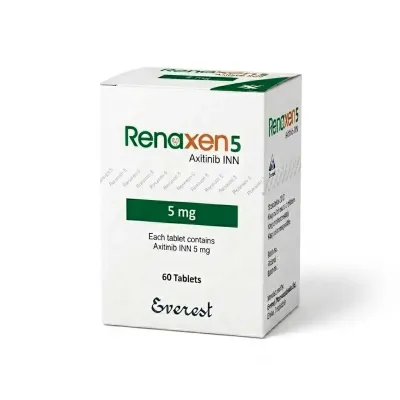
Renaxen 5 5 mg Everest
View
Everest
5 mg 60 tablets
26527₴ 30948₴
-18%
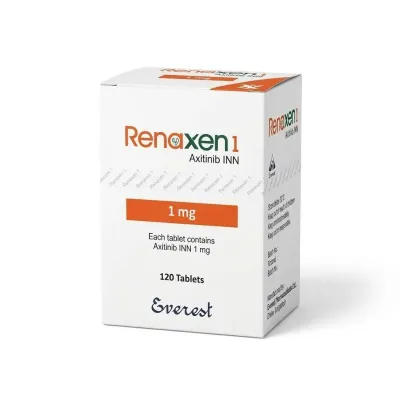
Renaxen 1 1 mg Everest
View
Everest
1 mg 120 tablets
30948₴ 37579₴
-15%
Inlybest 5 mg Aprazer
View
Aprazer
5 mg 28 tablets
4510₴ 5305₴
✅ All products loaded (3)

Contact us

Choose a convenient way to contact

We work daily from 9:00 to 20:00