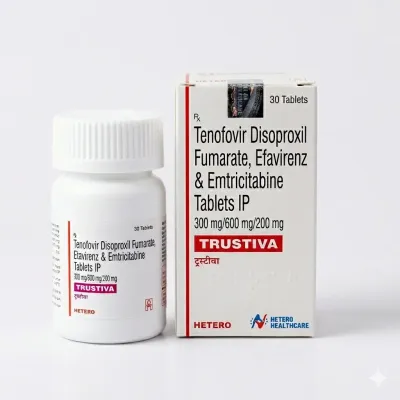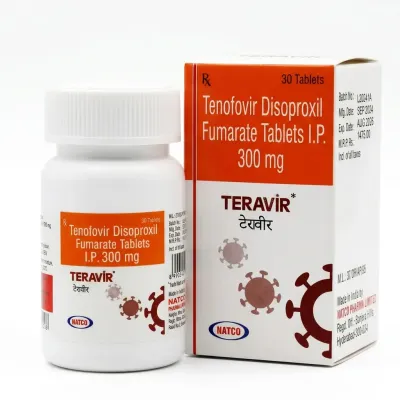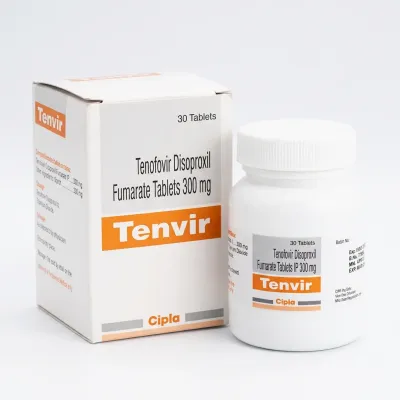
Tenofovir Disoproxil Fumarate – Antiviral Therapy
Known as original brand(s)
Viread
Tenofovir Disoproxil Fumarate (TDF) is a potent nucleotide reverse transcriptase inhibitor (NRTI) and a prodrug of tenofovir. It is one of the most thoroughly studied and widely used medications for the treatment of HIV infection and chronic Hepatitis B worldwide.
The mechanism of action involves the conversion of disoproxil fumarate into tenofovir after oral administration, which is then phosphorylated within cells to its active diphosphate form. Tenofovir diphosphate inhibits HIV-1 reverse transcriptase and Hepatitis B virus polymerase by competing with natural substrates and causing DNA chain termination. This prevents the virus from replicating and infecting new cells. TDF is effective against a broad range of viral strains and possesses a high barrier to resistance.
The drug is available in tablet form and is frequently included in "once-daily" fixed-dose combination regimens due to its long half-life.

Indications
Tenofovir Disoproxil Fumarate is indicated for the treatment of adults and pediatric patients (weight-dependent):
- HIV-1 Infection: treatment in combination with other antiretroviral agents.
- Pre-Exposure Prophylaxis (PrEP): reducing the risk of HIV-1 acquisition in high-risk individuals.
- Chronic Hepatitis B: treatment of compensated and decompensated liver disease in adults and adolescents.
Dosage and administration
TDF dosing requires caution, particularly in patients with renal impairment.
- Standard Dose: 300 mg (equivalent to 245 mg of tenofovir disoproxil) once daily.
- Administration: taken orally, preferably with food to enhance absorption, though it may be taken without regard to meals.
- Renal Adjustment: for patients with creatinine clearance less than 50 mL/min, the dosing interval is increased (e.g., to every 48 hours) or the dose is reduced.
- Pediatric Use: dosage is determined by a physician based on the patient's body weight.